
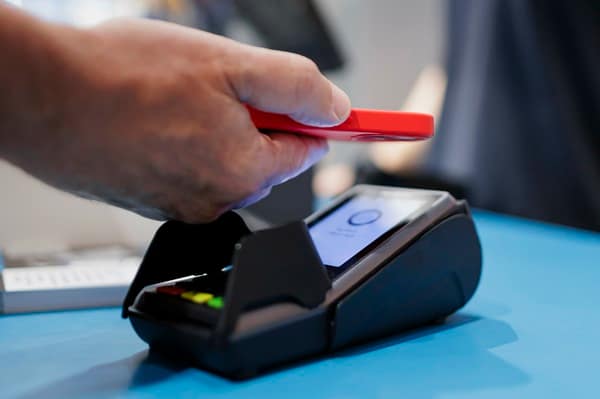
For most UK shoppers, paying by card is still the default. But the infrastructure underneath that habit is shifting. Faster Payments moves money between bank accounts in seconds, and open banking lets customers authorise a payment directly from their banking app, with no card number to type in.
For consumer businesses, the question is no longer whether these methods will matter, but how quickly customers will expect them. Here is a practical look at what has changed, what it means for costs, speed and risk and what businesses should be thinking about.
What has changed
Faster Payments has run around the clock for years, but it was used mainly for person-to-person transfers. Open banking, which lets customers share data and approve payments through regulated third-party providers, has opened the same rails to businesses at checkout.
The result is “pay by bank”. The customer picks it at checkout, is taken to their own banking app to approve the payment and the money moves straight from their account to the merchant’s. There is no card, no card-scheme network in the middle and, in most cases, no manual entry of account details.
The case for merchants
Businesses are interested in three things.
Cost. Account-to-account payments can cost less than card payments, which matters for businesses with thin margins or high transaction volumes. The saving varies by provider and contract, so it needs checking case by case.
Speed of settlement. Funds can reach the merchant much faster than with cards, which helps cash flow, particularly for smaller businesses.
Verification. Because the payment comes from the customer’s own authenticated bank account, it carries a strong signal about who is paying. That can reduce certain types of fraud, and makes it easier to match the payer with the customer on file.
Paying out matters as much as paying in
Most of the attention goes to checkout, but payouts are just as important. Refunds, marketplace payments to sellers, insurance claims and customer withdrawals all depend on how quickly a business can return money.
Instant payouts remove a common source of frustration. A refund that arrives in minutes builds trust, and one that takes five working days creates support queries. Businesses that handle a lot of refunds or customer balances have the most to gain.
Fraud rules have tightened
Faster money movement raises the stakes on fraud. Authorised push payment scams, where customers are tricked into sending money to a criminal, have been a particular concern. Since October 2024, the Payment Systems Regulator has required payment firms to reimburse most victims of this type of fraud, up to set limits.
That puts a premium on clear payment screens, sensible warnings and monitoring for unusual behaviour. Businesses that send or receive instant payments need to understand where they sit in the chain and what controls they are responsible for.
What customers lose
There is a consumer protection trade-off worth being open about. Card payments come with chargeback schemes and, for some purchases, protection under Section 75 of the Consumer Credit Act. Account-to-account payments don’t automatically offer the same rights, which can matter if a business fails or a purchase goes wrong.
Businesses offering pay-by-bank should be clear about refund and complaints processes, and consider whether the product they sell is one where customers would expect that extra protection.
Examples across sectors
Adoption varies by industry. Utilities and local authorities use account-to-account payments for bills and council tax, retailers and travel firms are adding pay-by-bank buttons at checkout and marketplaces are using instant payouts for sellers. Online entertainment has moved too. Since credit cards were banned for gambling in Great Britain in 2020, UK casino sites that operate under Gambling Commission licences have leaned heavily on debit cards, e-wallets and bank-based payments, and they are among the more visible adopters of faster deposits and withdrawals.
The common thread is that each sector has started from its own pressure point, whether that is card fees, cash flow, fraud or customer expectations, and open banking has offered a way to address it.
A practical checklist
For any business considering the move, a few questions are worth working through:
- What would pay by bank cost, and who handles it? Pricing varies, and some providers bundle services such as reconciliation.
- Where are the biggest payment pain points? Fees, failed payments and slow refunds all have different solutions.
- How will refunds work? Decide the process before launch, and communicate it clearly.
- What are the fraud controls? Check what warnings, monitoring and reimbursement responsibilities apply.
- How will customers be informed? Be clear about which protections apply to each payment method.
What comes next
The next stage is likely to be recurring payments through open banking, in which a customer authorises a business to take payments within agreed limits, along with wider use of pay by bank at online checkouts. Banks, payment providers and regulators are all watching how quickly consumers adopt both.
The direction is clear. As faster, simpler payments become normal, customer expectations rise across every sector, and the businesses that adapt early will set the standard everyone else is measured against.


Leave a Comment