
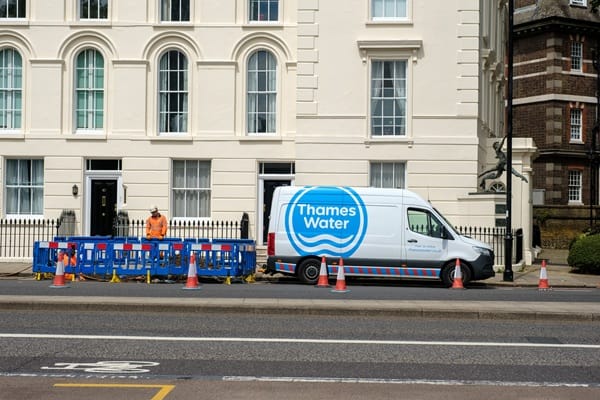
Millions of households across London and the South East are facing sweeping water restrictions as Thames Water introduces a hosepipe ban following weeks of extreme heat, record demand and prolonged dry conditions.
The Temporary Use Ban (TUB) will come into force at 12.01am on Thursday, July 23, affecting around 16 million customers supplied by Thames Water across London, the Thames Valley and surrounding counties.
The restrictions will prevent customers from using hosepipes for non-essential activities, including watering gardens, washing cars, cleaning patios and filling swimming pools. The ban will remain in place until water supplies recover.
Thames Water said demand has surged to around 10 per cent above normal levels, with households using an additional 100 million litres of water every day as temperatures rise.
The company said the move was necessary due to “exceptionally dry weather and sustained high water demand”, warning customers that immediate action was needed to protect supplies.
The announcement follows a separate hosepipe ban by South East Water, which will affect around 2.4 million customers across Sussex, Surrey, Hampshire and Berkshire.
The growing restrictions come as central and south-east England experience one of the longest rain-free periods of the century.
Met Office data shows both regions recorded 14 consecutive days without measurable rainfall between July 2 and July 15, with the dry spell potentially extending further as later figures are published.
The Environment Agency warned that reservoir levels are under pressure, with storage across England at 79 per cent, around five percentage points below the long-term average for this point in the year.
Several reservoirs have been classified as having unusually low levels, including sites in Somerset, Cambridgeshire and Essex, with Blagdon Reservoir in Somerset described as “exceptionally low”.
The restrictions represent the latest challenge for Britain’s water network, which has faced growing pressure from hotter summers, population growth and changing rainfall patterns.
The summer of 2026 has already delivered an unusually high number of extreme heat days, with temperatures exceeding 30C on 28 occasions across the UK.
Water companies have urged households to reduce unnecessary consumption, warning that continued hot weather could place further strain on supplies.
For millions of customers, the message is clear: Britain’s water reserves are being tested, and the drought response is moving from warnings to mandatory restrictions.


Leave a Comment