
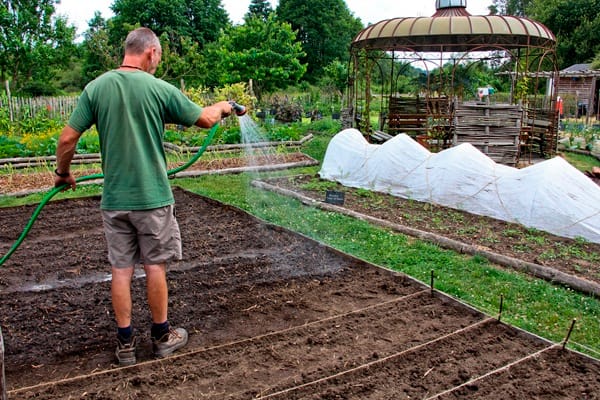
Thousands of households across Sussex are facing tighter water restrictions after South East Water extended its hosepipe ban, with the utility warning that drought conditions could persist well into 2027.
The expanded restrictions come into force today and apply to all of South East Water’s customers who had previously been exempt from the temporary ban.
The company said the measure was necessary to “protect water supplies and the environment in Sussex” as reservoirs and local waterways come under increasing pressure following months of unusually warm and dry weather.
Ardingly Reservoir, which supplies about 228,000 customers in Haywards Heath and surrounding communities, has fallen to just 22.8 per cent of capacity.
The deterioration has raised concerns about how quickly supplies can recover, particularly if substantial rainfall fails to arrive during the autumn and winter.
Nick Price, head of water resources at South East Water, said the company’s “absolute priority is making sure there is always enough water for everyone’s essential daily needs”.
He said the prolonged spell of dry weather had left soils severely depleted and reduced flows in streams and rivers.
“The prolonged period of warm and dry weather we have experienced during the spring and summer has made the ground very dry and reduced flows in local streams and rivers,” he said.
Significant rainfall is now needed not simply to wet the surface, but to penetrate deep underground and replenish aquifers, reservoirs and rivers that provide drinking water.
“These conditions have resulted in the water levels of our Sussex reservoirs becoming extremely low, especially Ardingly, which has moved further into drought,” Price added.
The warning is not confined to Sussex.
Anglian Water, which supplies about seven million customers across eastern England, has warned that dry conditions could continue into next year.
Laura Tuplin, the company’s water resources manager, told the BBC: “We’re not at panic stations (but) it’s really difficult to tell how long this will go on for, but it will be for the foreseeable future and yes, maybe next year.”
The prospect of a prolonged drought has heightened attention on the weather outlook, with communities in southern and eastern England still waiting for sustained rainfall capable of restoring depleted supplies.
Although heavy rain is forecast across parts of Scotland and northern England, the South East is expected to remain comparatively dry over the immediate weekend.
Met Office forecasts indicate temperatures could reach 22C in parts of southern and eastern England by Sunday, with London, Cambridge, Norwich, Reading and Northampton among areas expected to experience warm autumn conditions.
The forecaster’s outlook describes conditions as “windy with some rain in the north, largely fine and rather warm further south”.
That uneven distribution of rainfall is significant for drought-hit areas. While Scotland and Northern Ireland are expected to see wet and blustery weather, including heavy rain across south-west Scotland and Cumbria, the most water-stressed parts of England are expected to receive considerably less.
There are signs of a more unsettled spell later in October. Weather modelling indicates a broad band of rain could move from Scotland towards Devon around October 9, accompanied by a sharp fall in temperatures.
However, the longer-range Met Office outlook suggests southern areas could continue to experience relatively dry conditions, with the heaviest rainfall and strongest winds concentrated further north and west.
For water companies, the immediate concern is whether the autumn weather will deliver enough sustained rainfall to reverse months of depletion.
For households across Sussex, meanwhile, the message is increasingly stark: restrictions are tightening just as the region enters a winter with no guarantee that its reservoirs will recover quickly enough.


Leave a Comment