
A Green-controlled London council is considering using taxpayer-funded resources to help people working illegally understand how to resist Home Office immigration raids, escalating a confrontation between the party’s local authorities and the government over enforcement.
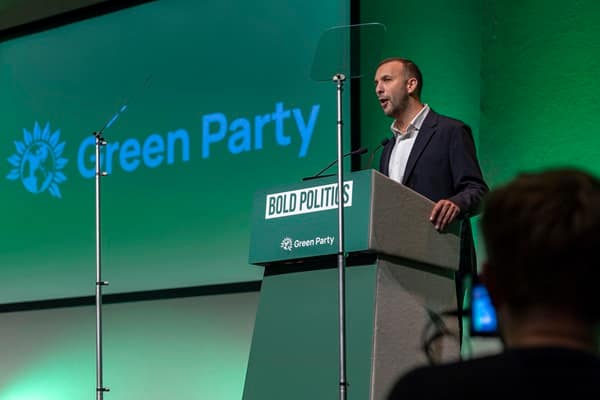
Hackney Council could support a “public information campaign” aimed at workers affected by immigration raids, according to comments made at the Green Party conference in Brighton.
Seema Syeda of the Joint Council for the Welfare of Immigrants (JCWI) said the organisation was “working with Hackney Council to potentially do a public information campaign”.
Speaking on stage at the conference, Syeda said the campaign could “share information to people about their rights and how they can resist raids”.
The proposal would put a Green-run local authority at odds with the Home Office, which has defended immigration enforcement operations as “vital to root out unscrupulous employers and disrupt illegal workers abusing the system”.
Several Green-run councils in London have already pledged to reduce or end co-operation with the Home Office when immigration enforcement teams operate in their areas.
The department has said that although it “always wants to join forces with local authorities, their decisions won’t hinder our operations when fighting immigration crime”.
The dispute comes as the government steps up enforcement against illegal working. The Home Office has reported an 83 per cent increase in arrests for illegal working and a 77 per cent rise in raids between July 2024 and the end of last year.
The prospect of councils actively supporting people facing raids has also begun to spread beyond London.
Nadia Barton Ahmad, a Green councillor in Brighton, proposed a motion during the summer backing migrant businesses and people facing immigration raids. Labour councillors voted down the measure.
But Barton Ahmad said the party could revisit the issue after next year’s local elections.
“We have local elections here in May, and so we are hoping that within a year we will be able to pass something similar,” she said.
The debate illustrates the widening policy ambitions of the Greens under leader Zack Polanski, whose conference platform has included attacks on what he describes as “anti-migrant laws”.
Polanski has said such legislation “carve up our communities”.
The immigration dispute forms part of a broader conference agenda that has exposed tensions over how far the party should move beyond its traditional environmental focus.
Members are also due to consider a motion that would seek to make certain criminal convictions unavailable for disclosure after five years. Under the proposal, convictions involving offences including theft, assault and drug possession could eventually be concealed from Disclosure and Barring Service checks where offenders received prison sentences of less than two years or suspended sentences.
Alicia Kearns, the shadow safeguarding minister, said the Greens now “appear to be criminal apologists”.
The Green Party has stressed that conference motions submitted by individual members do not automatically become party policy.
“These do not become policy until they are debated and voted on at conference,” a party spokesperson said.
The conference has also exposed a significant internal dispute over a motion declaring “Zionism is racism”.
Caroline Lucas, the party’s first MP, told the BBC: “There is no single definition of Zionism, and irrespective of the intentions of the people who put that motion forward, I think there is a real risk that it’ll be divisive and could be seen as a sign that Jewish people aren’t welcome in the party.
“I will not be supporting it for that reason.”
Former Green co-leader Adrian Ramsay has also opposed the motion, arguing it would be “wrong to adopt a policy that could be seen as not supporting the rights of both Israelis and Palestinians to statehood”.
Some Jewish Green members have expressed concern after the motion received backing from Friends of Al-Aqsa, an organisation critics have accused of supporting positions hostile to Israel.
One Jewish member told the Mail: “I’m deeply troubled that my party, a party with its roots in anti-discrimination and non-violence, is getting support for a divisive motion from outside groups and individuals with a problematic history of hatred towards Jews.”
The disputes leave the Greens facing a broader question over the direction of the party as its influence in local government expands: whether its councils should use their powers to challenge national enforcement policy, or concentrate on delivering services within the framework set by central government.


Leave a Comment