
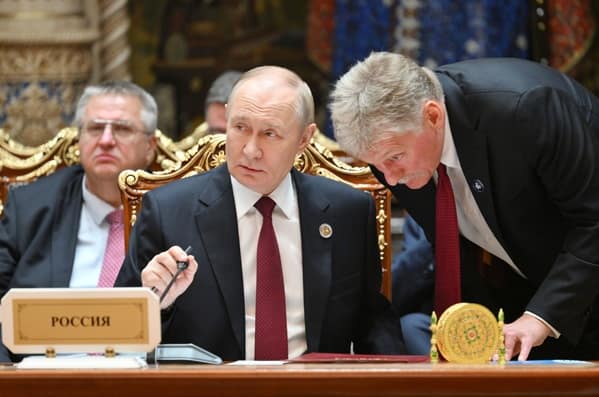
Britain has become the first country to sanction all ten of Russia’s largest oil producers, in a fresh attempt to choke off the energy revenues financing Vladimir Putin’s war in Ukraine.
But campaigners have warned that gaps in the measures continue to allow Moscow to profit from fossil fuel exports.
The new sanctions target PJSC Oil and Gas Company Slavneft, alongside Russian oil, gas and coal interests, shadow fleet vessels and Rosneft’s flagship Arctic development, Vostok Oil.
Prime Minister Andy Burnham announced the package at the European Political Community summit in Dublin, where he is due to co-chair a meeting on Ukraine with President Volodymyr Zelenskyy following peace talks in Abu Dhabi.
Ukrainian-led campaign group Razom We Stand welcomed the move, describing the targeting of all ten major oil producers as a significant step. But it said the UK should go further by sanctioning Gazprom and Novatek, Russia’s principal gas producers and exporters, and coordinating tougher restrictions with the EU and wider G7-led coalition.
The group also called for Britain to end the provision of services by UK companies supporting the transport of Russian crude, oil products, coal and liquefied natural gas.
It said British companies continued to provide the largest share of protection and indemnity insurance for Russian exports in 2026: 45 per cent for oil products, 49 per cent for LNG and 60 per cent for coal. Such services are critical to the movement of commodities that remain among the Kremlin’s most important sources of revenue.
The campaigners also want further action against Russia’s Arctic Yamal LNG project, including a complete ban on operations between UK-based TotalEnergies Gas & Power Limited and Yamal LNG.
The scale of the challenge is underlined by Russia’s continuing export earnings. According to the Centre for Research on Energy and Clean Air, fossil fuel revenues remained at about €625m a day in September 2026, despite export volumes falling by 6 per cent.
That resilience suggests restrictions on production and shipping have yet to translate into a decisive reduction in the money flowing to Moscow. The use of so-called shadow fleet vessels and the continued availability of maritime services have made enforcement a central battleground in the effort to restrict Russian energy trade.
Dr Svitlana Romanko, founder and executive director of Razom We Stand, said: “Oil money keeps Russia’s war machine running.”
She praised Britain for sanctioning all of Russia’s biggest producers, calling it “real leadership at a crucial moment for peace talks”. But she warned that the impact would depend on enforcement.
“The shadow fleet must be shut down, the last loopholes closed, and Europe must follow Britain’s lead, so that pressure on the Kremlin brings a just and lasting peace for Ukraine,” she said.
The latest package represents a significant expansion of Britain’s efforts to target Russia’s energy revenue chain, from producers and traders to vessels and supply networks. But campaigners argue that unless the remaining gaps in gas exports, insurance and shipping are addressed, the Kremlin will retain substantial means of financing its war.


Leave a Comment