
Millions of households could face the extraordinary prospect of having their mains water cut off and collecting daily supplies from street standpipes if Britain’s worsening drought escalates into an emergency.
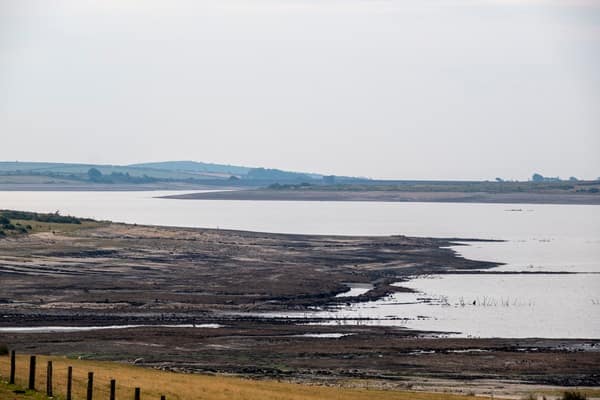
Half of England is now officially in drought, while much of the remainder is experiencing severe dry weather. More than 20mn people are already living under hosepipe restrictions, with another heatwave forecast to intensify pressure on reservoirs, rivers and underground water sources.
The country has not yet reached the Environment Agency’s highest drought classification, severe drought. But the consequences of crossing that threshold would be stark.
Emergency contingency plans allow authorities to impose “rota cuts”, switching mains water on and off at predetermined times, while communal standpipes and mobile water tanks can be deployed in affected communities.
For households, a severe drought would transform water from an invisible utility into a rationed resource: residents could be forced to queue in the street and carry their daily allocation home.
The last time Britain reached this level was 1976, when 16 months of below-average rainfall culminated in one of the country’s most notorious water crises, the Mirror reported.
The government was forced to appoint a dedicated Minister for Drought, Denis Howell, while public campaigns urged households to share baths and put bricks in toilet cisterns to conserve supplies.
In some of the worst-hit areas, including parts of south-west England, north Wales and Yorkshire, residents relied on street standpipes for weeks as reservoirs fell to exceptional lows.
The economic implications of a return to such conditions would extend well beyond household inconvenience.
Water restrictions can disrupt agriculture, industrial production and businesses dependent on reliable supplies, while drought simultaneously damages crops, reduces river flows and places additional stress on ecosystems.
At severe drought level, water companies can also receive greater flexibility over how much water they extract from rivers and underground aquifers, or how much they are required to release from reservoirs back into waterways.
That provides additional short-term supply, but risks intensifying the environmental damage caused by prolonged dry conditions.
The present crisis has another unsettling characteristic. Meteorologists have described it as resembling a “flash drought” — a rapid deterioration in water availability caused by an abrupt shift to exceptionally hot and dry conditions rather than the gradual accumulation of months of below-average rainfall.
July was the driest month in southern England since records began almost two centuries ago, according to the information cited in the drought warnings.
The distinction matters because Britain’s water system is built around the assumption that seasonal rainfall will provide opportunities to replenish reservoirs and aquifers. A sudden and intense drying period can leave less time for companies and regulators to prepare.
The Environment Agency has not indicated that it expects to declare severe drought, and the most affected areas remain at the lower drought classification.
But the possibility of emergency measures illustrates how quickly the situation could deteriorate if high temperatures persist and significant rainfall fails to arrive.
The warning signs are already visible. Hosepipe bans have become widespread, agriculture is under increasing pressure and water companies are being forced to manage supplies more aggressively.
The immediate question is therefore not whether Britain is experiencing a drought. It is how far the drought will be allowed to run before ordinary conservation measures give way to emergency rationing.
For a country accustomed to treating water as an effectively limitless household service, the prospect of standpipes represents a psychological as well as an operational threshold.
Britain has been here before.
In 1976, the taps running dry became a symbol of national failure to prepare for an extreme climate event. Half a century later, the prospect of repeating those scenes is a warning that the economics of water are changing — and that infrastructure built for yesterday’s weather may be increasingly poorly equipped for tomorrow’s.


Leave a Comment