
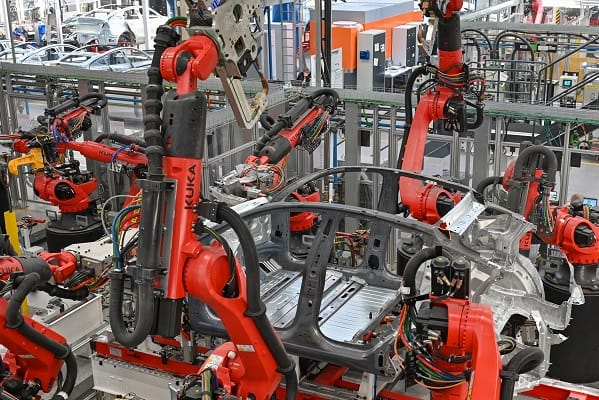
Automation has become one of the defining shifts in modern industry, transforming the way organisations deliver products, maintain quality and remain competitive in an increasingly demanding marketplace. Whether you operate in manufacturing, processing, energy, or engineering, adopting automation is no longer optional, but rather it is one of the most cost-effective, practical solutions to running your business that there is. If you do not embrace it, you will be left behind, and that will probably happen much sooner rather than later.
Basically, the question is no longer whether automation is worth pursuing, but how to implement it intelligently, sustainably and in a way that complements your existing strengths. So, let’s take a closer look at how you do that, right now.
Why automation matters in modern industry
Okay, before we get into the hows, let’s take a look at the whys of automation in modern industry. Industrial environments rely heavily on precision, reliability and speed. Manual processes often vary because human judgement, fatigue or distraction can affect outcomes. Automation eliminates much of this unpredictability by streamlining tasks, improving accuracy and maintaining consistency. A well-designed automated line can monitor and adjust operations in real time, ensuring that quality remains high and waste stays low.
Even seemingly small components, such as a flow switch, can play an essential role in automated systems by ensuring materials move through pipelines at the correct rate. This automatic feedback helps stabilise operations and prevents costly mistakes.
The benefits for smaller and medium-sized businesses
One of the most common misperceptions about automation is that only major manufacturers can really benefit from it on any great scale, but this is absolutely not the case. Smaller and medium-sized businesses can, and should, absolutely embrace automation because they are often the ones who will get the greatest gains by doing so. This is because automation reduces bottlenecks and expands output without demanding a larger workforce.
Automation isn’t an all-or-nothing investment. Companies can start with modest upgrades such as digital monitoring, automated inspection tools or simple conveyor automation, and scale up as and when their needs demand that they do so.
How automation improves efficiency and output
One of the most immediate advantages of automation is the reduction in downtime. Automated machinery can operate continuously, with fewer interruptions caused by manual errors or inconsistent performance. This boosts productivity and helps businesses deliver products more reliably.
Improved scheduling becomes possible when downtime is predictable and production flows smoothly. That reliability strengthens relationships with clients who depend on consistent turnaround times. Over the long term, the increased efficiency directly supports stronger financial performance.
Enhancing workplace safety with automated systems
Industrial environments come with inherent risks, especially when workers deal with heavy loads, hazardous materials or delicate high-precision systems. Automation creates a safer workspace by taking over the most dangerous or strenuous tasks so that human employees barely have to get involved at all.
Technologies such as automated shut-off systems, predictive maintenance software and real-time monitoring ensure that potential issues are addressed before they escalate. When machines take on the riskiest jobs, employees are protected from unnecessary harm, and businesses avoid costly accidents or unplanned shutdowns.
Building a strategic approach to automation
To get the most you possibly can out of automation for your industrial business, you must approach it strategically rather than reacting to isolated problems. A thorough assessment of existing workflows helps identify inefficiencies, slow points and opportunities for improvement.
Once these areas are mapped out, automation can be implemented in a way that genuinely solves problems and improves performance. When every addition has a clear purpose, the investment becomes far more effective.
Supporting staff through the transition
Although automation undoubtedly offers a lot of benefits to the average industrial business, it is fair to say that its success depends, to a great degree, on how supportive your workforce are and how strongly they get behind it. Employees who understand how automation helps them, rather than threatens job security, are far more likely to embrace new systems.
Clear communication and training are vital to your operations too. When staff feel confident using new technology and recognise that automation reduces strain while improving productivity, they become active participants in the transformation. This positive culture ultimately strengthens the business.
Preparing for future growth
Automation is advancing quickly, with innovations like cloud-based analytics, machine learning optimisation and fully connected “smart factories” becoming increasingly common. Building flexible systems today ensures that your business is ready to integrate new technologies tomorrow.
Establishing adaptable foundations now means future upgrades will be smoother, more accessible and more cost-effective. Businesses that prepare early stay ahead of competitors and respond more effectively to changing industry expectations.
Supporting sustainability through automation
With rising energy costs and stricter environmental expectations, automation helps businesses meet sustainability targets. Automated equipment can optimise energy usage, reduce waste and improve overall resource efficiency.
This contributes not only to lower operating costs but also to stronger compliance and a more responsible public image. Automation therefore supports both profitability and environmental responsibility – two of the most vital elements of a successful business.
Improving customer trust and traceability
Modern customers expect transparency and accountability from suppliers no matter what. Automated systems generate consistent data that can be used to demonstrate compliance, track production processes and answer client enquiries quickly, so that you can show them very clearly that you are honest, open and doing everything you should be every step of the way.
This level of traceability strengthens trust and simplifies audits or quality checks. It also helps businesses stand out in industries where accuracy and reliability are key selling points.
The long-term value of industrial automation
In a world of fluctuating demand, evolving regulations and unpredictable market pressures, automation provides stability. It helps businesses handle operational challenges, maintain efficiency and grow sustainably. By combining strategic planning, smart technology and a committed workforce, automation becomes a powerful engine for long-term success but this can only happen if you let it and if you fully embrace what it has to offer.




Leave a Comment