
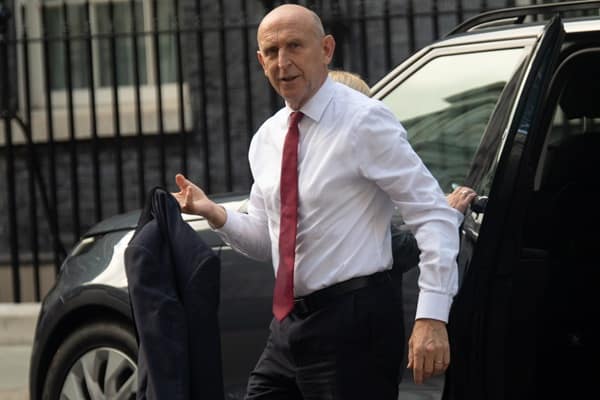
A petition calling on Chancellor John Healey to raise the income tax-free allowance from £12,570 to £20,000 has passed 30,000 signatures, intensifying pressure on the Government to reconsider a freeze that is drawing millions more workers into the tax system.
Campaigners have until Saturday, November 14, to add their names to the parliamentary appeal, launched by Wade Reid.
It has attracted more than 30,000 supporters, crossing the 10,000-signature threshold that obliges the Government to publish a formal response.
The petition would need 100,000 signatures to be considered for a debate in Parliament.
The campaign argues that keeping the personal allowance unchanged while wages and living costs rise amounts to a stealth tax increase, reducing the spending power of workers who are already struggling with household bills.
“The personal allowance has been frozen while living costs have risen, meaning workers pay more tax in real terms,” the petition states. Raising it to £20,000, it argues, would put more money into millions of people’s pockets and provide relief for low and middle-income earners.
The appeal comes as Prime Minister Andy Burnham faces mounting speculation over whether the Government could change income tax thresholds. Healey left the allowance untouched in last month’s Budget, despite growing calls for an increase, but has hinted at the possibility of “bigger changes” in the longer term.
For now, the policy remains firmly in place. The personal allowance — the amount people can earn before paying income tax — has been fixed at £12,570 since April 2021. Legislation passed this year means it will remain at that level until April 2031.
The prolonged freeze has fuelled what economists call fiscal drag. As salaries rise, more income becomes taxable and some workers are pushed into higher tax bands, even though the headline rates have not changed.
The allowance remains £12,570 for the 2026-27 tax year. In England, Wales and Northern Ireland, the basic rate is 20 per cent, while the 40 per cent higher rate applies above £50,270. The 45 per cent additional rate begins at £125,140. Scotland has separate income tax bands and rates.
The effect is visible in the growing number of people paying higher rates. The latest HM Revenue and Customs figures cited in the campaign show 31.4mn basic-rate taxpayers, 15 per cent more than when thresholds were frozen in 2021. A further 7.7mn people are expected to pay the higher rate this year, around 1mn more than two years ago.
The number paying the additional rate is forecast to reach 1.3mn, compared with 263,000 when the 45 per cent rate was introduced in 2010-11.
Yet reversing the freeze would carry a substantial price tag for the Treasury. Analysis by investment platform AJ Bell suggests the personal allowance would have risen to about £16,072 in 2026-27 had it kept pace with inflation, and could reach £17,380 by 2029-30.
Increasing the allowance to £16,000 would cost the Exchequer about £35bn, according to AJ Bell. Even a £100 increase would cost roughly £1bn a year, illustrating the fiscal challenge facing ministers as they weigh tax relief against pressure on public finances.
A rise to £20,000 would be considerably more expensive, although the precise cost would depend on how the change was structured and funded.
The petition’s growing support puts the issue back on the Government’s agenda, but does not guarantee a change in policy. Ministers will be required to respond after the appeal passed 10,000 signatures; reaching 100,000 would trigger consideration for a parliamentary debate.
For workers facing another five years of frozen thresholds, the question is whether the Chancellor is prepared to surrender billions in tax revenue to ease the squeeze on household incomes.
The petition can be viewed and signed on the Parliament website.


Leave a Comment