
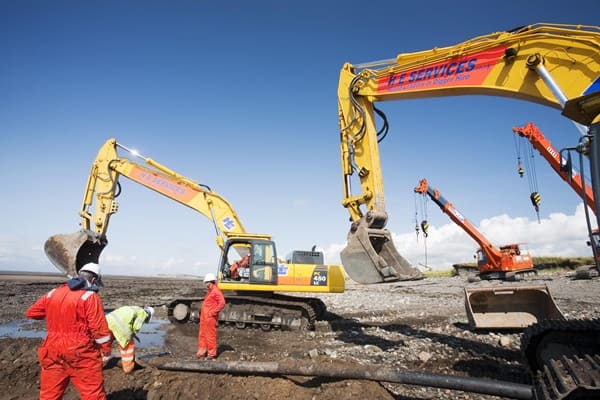
For contractors, earthmovers and civil operators across New Zealand, an excavator is one of the biggest investments a business will make. Yet the number on the listing is only the beginning of the story. Porter Group, one of the country’s longest-standing heavy equipment suppliers, is encouraging buyers to look past the sticker price and consider the full cost of owning and running a machine. When those numbers are laid side by side, a well-chosen used excavator often comes out ahead of a brand-new one.
Why the purchase price is only part of the picture
The true cost of an excavator is the total of everything it takes to own and operate it over its working life with your business. That includes the upfront price, routine servicing, repairs, fuel, finance costs and, importantly, how much value the machine loses while you own it.
Looking at the full picture changes the conversation. A new excavator carries a premium price and takes its steepest drop in value during the first few years. A quality used machine has already absorbed much of that early depreciation, which means more of your money stays working in your business rather than disappearing the moment the machine leaves the yard.
The checks that matter most
The key to a great used purchase is knowing what you are buying. Porter Group recommends buyers focus on three areas before committing.
Inspections. A thorough inspection by qualified technicians is the best protection a buyer has. Undercarriage wear, hydraulic hoses and cylinders, the boom and stick, pins and bushings, the engine and the cab should all be checked closely. At Porter Equipment, used machines are carefully inspected by qualified technicians before they are listed, giving buyers a clearer view of condition from the start.
Service history. A complete service record tells you how a machine has been cared for. Regular oil changes, filter replacements and documented repairs are signs of a machine that has been looked after, and they help you predict what maintenance may be coming up next.
Operating hours. Hours are to an excavator what kilometres are to a vehicle, but they should never be read in isolation. A machine with moderate hours and a strong maintenance record can be a far better buy than a low-hour machine that has been neglected. Context is everything.
Running the numbers with confidence
When contractors start buying used excavators, the smartest approach is to build a simple cost-of-ownership estimate. Porter Group suggests weighing up the following:
- Purchase price: the upfront cost, including any finance arrangements
- Servicing: scheduled maintenance such as filters, fluids and inspections
- Repairs: a sensible allowance for wear parts and unexpected fixes
- Fuel: consumption based on machine size, workload and operating hours
- Depreciation: the difference between what you pay and what the machine is likely to be worth when you sell or trade it
Run this exercise on a new machine and a comparable used one, and the gap is often clear. The lower entry price and slower depreciation of a used excavator frequently outweigh the modest extra allowance for servicing and repairs, particularly when the machine comes with a known history and ongoing parts and service support.
It also pays to match the machine to the work. An excavator that is too large burns more fuel and costs more to move between sites, while one that is too small works harder and wears faster. Choosing the right size class for your typical jobs keeps running costs in check and helps the machine hold its value for longer.
The benefits of choosing used
Beyond the numbers, buying used offers real practical advantages for growing businesses:
- Faster availability. Used machines are ready to work now, without long factory lead times, so you can take on new contracts sooner.
- Better cash flow. A lower upfront cost frees up capital for attachments, staff, transport or the next job.
- Proven performance. Many used machines are late-model, low-hour units from trade-ins, imports and ex-rental fleets, which have already shown they can do the job.
- Room to scale. The savings can make it possible to add a second machine or move into a larger size class than a new budget would allow.
Porter Equipment’s used excavator range includes trusted brands such as Hyundai, Kobelco, Hitachi, JCB and Cat, across a range of sizes to suit different jobs and budgets. Flexible finance options are also available to help spread the cost.
Support that continues after the sale
A used machine is only as good as the support behind it. This is where buying from an established dealer makes a meaningful difference. Porter Group offers full parts and service support across its used equipment range, backed by its own parts, mechanical, hire and haulage divisions. That means buyers can keep servicing and repair costs predictable and keep downtime to a minimum, which protects the value of their investment for years to come.
For contractors weighing up their next excavator, the message is simple: look beyond the price tag, do the maths, and a quality used machine may well be the smartest move for your business.
About Porter Group
Established in 1945 by Arthur Porter, Porter Group is a New Zealand heavy equipment business supplying new and used machinery, equipment hire, new, remanufactured and used parts, mechanical servicing and repairs, nationwide haulage and finance solutions. Through Porter Equipment, Porter Hire, Porter Parts, Porter Mechanical and Porter Haulage, the group supports contractors and operators across the construction, civil, quarrying and forestry sectors.



Leave a Comment