
Plenty of London professionals now own a rental they have never stood inside. Some bought in Glasgow or Leeds. Others went further, into family houses in Tennessee, Ohio or the Carolinas. The purchase is the easy part. The hard part arrives when a tenant moves out and the house needs work you cannot see.
Flooring is usually where that work stalls. Really Cheap Floors, a US retailer, sells ready-to-install hardwood options that arrive sanded and sealed. A local crew can fit them without days of finishing on site. It ships only within the lower 48 states, so this is a tool for the American house, not a London flat. For an owner working from another time zone, that difference shapes the whole void period.
Why do London investors look at US rentals?
London yields hover around 3%. That gap explains why Londoners are building rental portfolios in Scotland, and why some look across the Atlantic instead. Detached houses in parts of the American Southeast and Midwest can cost less than a Zone 4 flat. The trade-off is distance. Every repair runs through a manager, a contractor and an email chain that starts while you sleep.
Why does the floor slow every turnover?
Between tenants, most jobs run side by side. Painters, cleaners and a handyman can share a house in the same week. Floors refuse to share. Site-finished hardwood needs sanding, several coats of finish and drying time between each one.
Nobody can walk on it during that window, so every other trade waits. Each empty day is rent you will not recover. A site-finished floor typically adds:
- Sanding dust that must settle before painters can return.
- Two or three coats of finish, each needing time to cure.
- Fumes that keep the house closed to viewings.
- A return visit if the finish shows marks or bubbles.
What changes when the boards arrive finished?
Prefinished solid hardwood is sanded and coated in a factory. The crew nails it down, and the room is usable far sooner. The finish is applied under controlled conditions, which removes one variable from a job you cannot inspect.

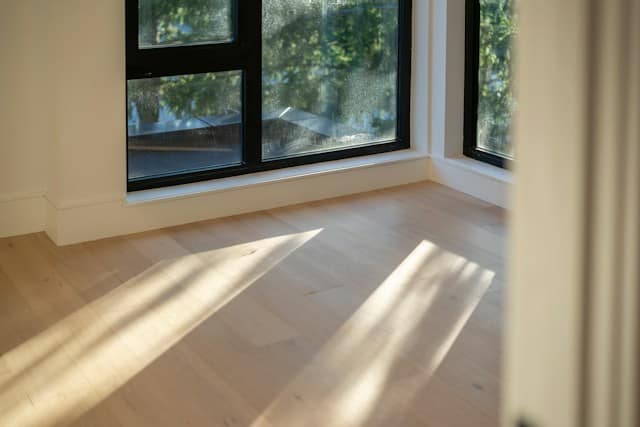
Photo by Bailey Alexander on Unsplash
Really Cheap Floors lists its boards by species, width, grade and the warehouse they leave from. You can compare options from a desk in Canary Wharf, with prices shown per square foot. Its stock sits in Murphy, North Carolina, and Dickson, Tennessee. For a landlord with a house near Knoxville or Charlotte, freight from those depots is a regional trip rather than a cross-country one.
Which grade and species suit a rental?
Grade matters more than many overseas owners expect. American mills grade flooring by appearance, not strength. The retailer’s filters run from first quality through builder, cabin, mill run and utility grades. Lower grades show more knots, colour variation and short lengths. In a rental, that character often hides scuffs better than a flawless floor.
Species shapes how the floor ages. The American Hardwood Export Council, which has its European base in London, publishes a species guide worth reading before you choose. The common rental options compare like this:
- Red oak: the familiar American floor, with open grain that forgives daily wear.
- White oak: tighter grain and a cooler tone that suits modern lets.
- Hickory: very hard and strongly figured, useful in houses with dogs or children.
- Maple: pale and even, with fewer knots to disguise heavy use.
Width matters too. Narrow strips of 2.25 or 3.25 inches tend to move less than 5-inch planks when humidity swings.
How do you brief a crew you have never met?
Remote owners usually work through a local manager. It is the same logic as UK owners who hand a holiday let to a professional management company. The brief should leave little to guess. Before work starts, agree on these points in writing:
- The exact product, grade and square footage, plus a margin for offcuts.
- Where the delivery lands and who signs for it.
- How long the boards sit inside the house before fitting.
- Photos of the subfloor before the first board goes down.
- A fixed price for lifting and disposing of the old floor.
Point three deserves its own paragraph. Wood takes on and gives off moisture with the air around it, and it swells and shrinks as it does. Recommended moisture content for indoor wood varies by region, as mapped in the US Forest Service handbook on wood as an engineering material. A humid Gulf Coast house and a dry Arizona one need different targets. A crew that skips this step can leave you with gaps by winter or cupped boards by summer.
What does the turnover maths look like?
Take a house renting at $1,800 a month. Each empty day costs about $60 in lost rent. If a factory-finished floor saves four days, that is $240 back before labour.
Then add the finishing labour you no longer pay for. Convert both figures at the rate you actually pay, because transfer fees and currency moves can quietly erode the gain.
What should you settle before the tenant leaves?
Good turnovers start before the notice period ends. Distance makes each missed step more expensive, so build a short routine:
- Ask the manager for floor photos at the last inspection.
- Price the replacement while the tenant is still paying rent.
- Order early enough for freight and time inside the house.
- Book the crew for the day after the keys come back.
This is the same discipline a careful landlord uses in Hackney or Croydon. The only change is the time difference.
Frequently Asked Questions
Can UK buyers order from really cheap floors for a London flat?
No. The retailer ships within the lower 48 US states only. A London refurbishment needs a UK supplier.
Is prefinished hardwood harder to repair than site-finished?
Damaged boards can be lifted and swapped individually. A site-finished floor blends repairs more easily because it was sealed as one surface. Solid prefinished boards can still be sanded and refinished years later.
Does solid hardwood suit basements In US houses?
Usually not. Basements sit below ground and carry more moisture than solid boards tolerate. Owners tend to choose engineered hardwood or vinyl plank there instead.
How long should boards settle before fitting?
Follow the manufacturer’s instructions for the product you buy. Ask the crew to check moisture with a handheld tester rather than trusting the calendar.




Leave a Comment