
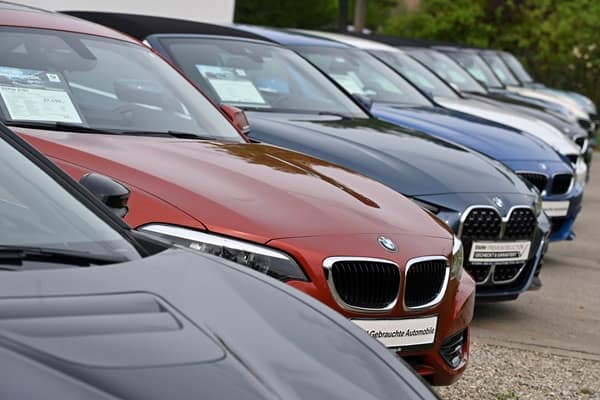
As household budgets come under closer scrutiny, Enterprise Motor Group is encouraging car buyers to look past the advertised price and consider the full cost of owning a vehicle. The Auckland-based dealer group says many buyers focus almost entirely on the purchase figure, only to discover months later that running costs have a far greater effect on their finances than they expected.
The sticker price is the number most people remember, but it is only the first chapter of the ownership story. Insurance, fuel, servicing, tyres and depreciation all add up quietly over the years, and together they can easily match or exceed what was paid at the time of purchase. Understanding these costs before signing on the dotted line is one of the simplest ways to avoid financial stress later.
Insurance: A cost that varies more than buyers think
Insurance premiums differ widely depending on the make and model, the driver’s age and history, where the car is parked overnight and the level of cover chosen. Two vehicles with similar purchase prices can attract very different premiums, particularly if one is considered more desirable to thieves or more expensive to repair. Buyers are advised to request insurance quotes on the specific vehicles they are considering before committing, rather than treating cover as an afterthought once the keys are handed over.
Fuel: The everyday expense that adds up
Fuel is the running cost drivers notice most often, yet it is frequently underestimated during the buying process. A vehicle that uses only slightly more fuel per hundred kilometres can cost hundreds of dollars more each year for someone with a long daily commute. Hybrid and electric options have changed the conversation for many buyers, but they come with their own considerations, including charging access at home and how the vehicle suits the owner’s typical journeys. Estimating weekly driving distance and multiplying it across a full year gives a far clearer picture than a quick glance at the fuel economy label.
Servicing and maintenance: Planning for the predictable
Regular servicing keeps a vehicle safe, reliable and better able to hold its value, but service intervals and costs vary between manufacturers. Some vehicles require specialised parts or fluids that cost more, while others are known for affordable, widely available components. Buyers should ask about the service history of any vehicle they are considering and find out when the next major service is due, as timing belt replacements and similar jobs can carry a significant bill.
A spokesperson for Enterprise Motor Group said that transparency at the point of sale makes a real difference. “We would much rather a customer leaves with a car that suits their budget for years to come than one that looks affordable on the day and becomes a burden later. Talking openly about servicing, running costs and the history of each vehicle is part of helping people make a confident decision.”
For buyers in South Auckland, choosing from a range of Quality Used Cars in Manukau with clear vehicle history and inspection information can take much of the guesswork out of estimating these future costs. Knowing exactly what has been done to a vehicle, and what may need attention next, allows buyers to plan rather than react.
Tyres: Small details with a big impact
Tyres are often overlooked until they need replacing, and the cost can come as a surprise. Larger wheels and performance tyres tend to be more expensive, and SUVs and four wheel drive vehicles generally require pricier sets than small hatchbacks. Tread depth on a used vehicle is worth checking during inspection, as a car that needs four new tyres shortly after purchase effectively costs more than its price suggests. Good tyres also influence fuel efficiency and safety, so they deserve attention rather than being treated as a minor detail.
Depreciation: The largest hidden cost of all
For many owners, depreciation is the single biggest expense of car ownership, even though it never appears on a monthly statement. New vehicles typically lose a considerable share of their value in the first few years, which is one reason well-maintained used cars remain such a popular choice. Buying a vehicle that has already passed through its steepest period of depreciation can mean the owner loses less money when it comes time to sell or trade in. Popular, reliable models with strong resale demand also tend to hold their value better over time.
Budgeting realistically before buying
The most effective approach is to calculate an estimated annual cost of ownership rather than relying on the purchase price alone. Buyers can start by adding together expected insurance premiums, a realistic fuel estimate based on their own driving habits, routine servicing, an allowance for tyres and unexpected repairs, and any registration and warrant of fitness costs. Dividing that total by twelve gives a monthly figure that can be compared against the household budget. If finance is involved, loan repayments should be added on top, along with the total interest payable over the term.
Setting aside a small emergency fund for unplanned repairs is also sensible, particularly for older vehicles. This kind of preparation turns car ownership from a source of financial surprises into a predictable, manageable expense.
Enterprise Motor Group continues to support buyers across Auckland with a wide selection of vehicles and an emphasis on helping customers understand what they are taking on before they drive away. Those wanting to explore current stock or learn more about the group can visit Enterprise Motor Group.
This article was produced in partnership with Enterprise Motor Group.




Leave a Comment