
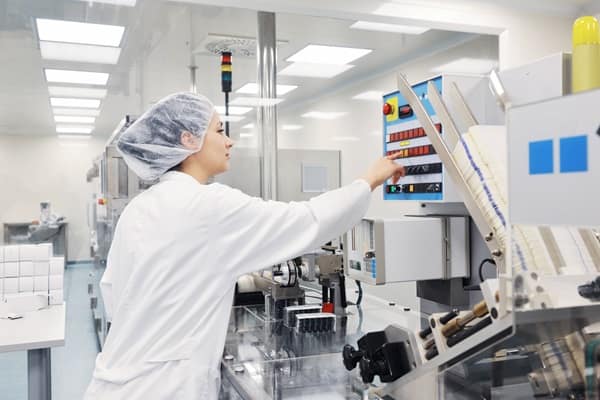
In today’s fast-moving scientific and medical landscape, the ability to preserve biological materials safely and efficiently is critical. From clinical trials to long-term research studies, reliable storage systems ensure that valuable samples remain viable, traceable, and ready for analysis. As the demand for precision medicine and large-scale data grows, investing in high-quality storage solutions is no longer optional but essential.
What is sample storage and why does it matter
Sample storage refers to the secure preservation of biological materials such as blood, tissue, DNA, and other specimens under controlled conditions. These samples often represent years of research, patient data, or clinical evidence, making their integrity vital.
Poor storage conditions can lead to degradation, contamination, or loss of data. This can compromise entire studies and lead to costly delays. On the other hand, advanced storage systems ensure consistency, reliability, and compliance with regulatory standards.
For organisations looking to scale their operations, professional solutions like Sample Storage offer secure, temperature-controlled environments designed specifically for sensitive biological materials.
Key features of effective sample storage systems
Temperature control and stability
Maintaining precise temperature conditions is one of the most important aspects of sample storage. Different materials require different environments, ranging from ambient conditions to ultra-low temperatures below -80°C. Even minor fluctuations can impact sample quality.
Modern facilities use automated monitoring systems to maintain stable conditions and provide alerts in case of deviations.
Security and traceability
With thousands or even millions of samples stored in a single facility, robust tracking systems are essential. Barcoding, digital inventory management, and real-time tracking ensure that every sample can be located quickly and accurately.
Security measures also protect sensitive data and materials from unauthorised access, which is particularly important in clinical and pharmaceutical research.
Scalability for growing demands
Research projects often expand over time, requiring additional storage capacity. Scalable storage solutions allow organisations to grow without compromising efficiency or quality.
Outsourcing storage to specialised providers can also reduce the need for costly infrastructure investments.
Regulatory compliance
Strict regulations govern how biological samples must be stored, particularly in healthcare and pharmaceutical sectors. Compliance with standards such as Good Clinical Practice (GCP) and ISO certifications ensures that stored samples meet legal and ethical requirements.
Professional storage providers are equipped to handle these requirements, offering peace of mind to researchers and institutions.
Benefits of outsourcing sample storage
Cost efficiency
Building and maintaining an in-house storage facility can be expensive. Outsourcing eliminates the need for equipment, maintenance, and staffing, allowing organisations to focus on their core work.
Access to advanced technology
Specialised storage providers invest in cutting-edge technology, including automated retrieval systems and advanced monitoring tools. This level of sophistication is often difficult to achieve internally.
Risk reduction
Professional facilities are designed with redundancy systems, backup power, and disaster recovery plans. This significantly reduces the risk of sample loss due to equipment failure or unforeseen events.
Improved operational efficiency
With storage managed externally, research teams can streamline their workflows. Faster sample retrieval and better organisation lead to increased productivity and reduced delays.
Real-world applications of sample storage
Clinical trials
In clinical research, samples collected from participants must be preserved accurately for testing and validation. Reliable storage ensures that trial results remain credible and reproducible.
Biobanking
Biobanks store large collections of biological samples for future research. These repositories play a key role in advancing medical knowledge and developing new treatments.
Pharmaceutical Development
Drug development relies heavily on stored samples for testing and quality control. Proper storage ensures consistency across multiple stages of development.
Academic Research
Universities and research institutions depend on stored samples for long-term studies. Access to well-preserved materials allows researchers to revisit and expand upon previous work.
How to choose the right storage solution
Assess your needs
Start by identifying the types of samples you need to store and their specific requirements. Consider factors such as temperature, volume, and duration.
Evaluate technology and infrastructure
Look for providers that offer advanced monitoring systems, automation, and secure facilities. These features ensure reliability and efficiency.
Check compliance and certifications
Ensure that the provider meets all relevant regulatory standards. Certifications indicate a commitment to quality and best practices.
Consider flexibility
Choose a solution that can adapt to your changing needs. Scalability and customisation are key factors for long-term success.
FAQ section
What types of samples require specialised storage
Biological materials such as blood, tissue, DNA, and vaccines often require controlled environments to maintain their integrity.
How long can samples be stored safely
The storage duration depends on the sample type and conditions. With proper systems in place, some samples can be preserved for decades.
Is outsourcing sample storage secure
Yes, reputable providers use advanced security measures, including restricted access, monitoring systems, and data protection protocols.
What happens if storage conditions fail
Professional facilities have backup systems and emergency protocols to prevent sample loss and maintain stable conditions.
Can storage solutions be customised
Many providers offer tailored solutions based on specific research needs, including temperature settings, capacity, and retrieval processes.
Conclusion
Reliable sample storage is a cornerstone of modern research and healthcare. It ensures the integrity, safety, and accessibility of valuable biological materials, enabling breakthroughs across multiple fields. Whether for clinical trials, biobanking, or pharmaceutical development, investing in high-quality storage solutions can significantly enhance efficiency and reduce risk.
By choosing the right partner and infrastructure, organisations can safeguard their research while focusing on innovation and discovery.


Leave a Comment