
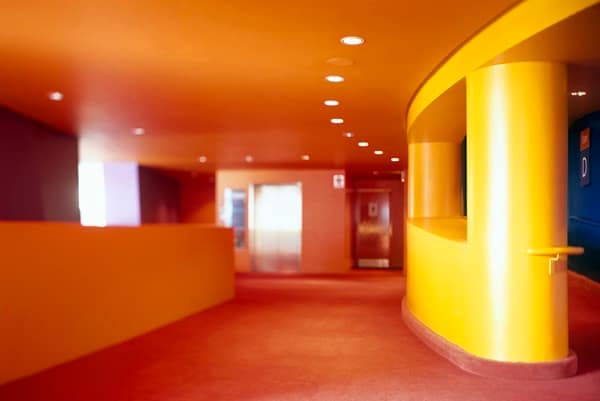
Businesses are always looking for ways to work more efficiently while keeping costs under control. One crucial factor that affects productivity, energy use, and workplace comfort is lighting. Traditional lighting systems require a large upfront capital investment and ongoing maintenance, which can be both expensive and time-consuming.
Lighting as a Service (LaaS) offers a better approach by providing energy-efficient lighting without the burden of ownership. This model allows businesses to enjoy improved lighting while reducing energy costs and operational hassles.
What is lighting as a service?
Lighting as a Service is a subscription-based model that enables businesses to use high-quality lighting without purchasing or maintaining their own fixtures. Instead of making a large initial investment, companies sign a contract with a service provider that installs, manages, and upgrades the lighting system as needed. This arrangement ensures businesses always have access to modern, energy-efficient lighting without worrying about replacements or maintenance.
Service providers handle everything from installation to ongoing monitoring and repairs. Businesses pay a predictable monthly or usage-based fee, which makes budgeting easier. With this shift from ownership to service, companies can benefit from lower costs, better efficiency, and improved sustainability.
Lower costs and greater financial flexibility
One of the biggest reasons companies choose LaaS is to save money. Traditional lighting systems require substantial upfront costs for equipment and installation. In contrast, LaaS spreads costs over time, making it easier to manage expenses.
Since service providers take care of maintenance and replacements, businesses avoid unexpected repair costs. Energy-efficient LED lighting, which is commonly used in LaaS solutions, also helps reduce electricity bills. Over time, these savings can make a significant difference, making LaaS a practical option for businesses aiming to improve financial flexibility.
Energy efficiency and environmental benefits
Switching to energy-efficient lighting is a simple yet effective way for businesses to reduce their environmental footprint. LaaS providers primarily use LED lighting, which consumes significantly less energy and lasts much longer than traditional fluorescent or incandescent bulbs.
LED lights use up to 75% less electricity and have a longer lifespan, reducing the frequency of replacements and minimizing waste. Many providers also integrate smart lighting systems that adjust brightness based on occupancy and natural light levels. These features further improve energy efficiency while maintaining a comfortable work environment.
Enhancing workplace productivity
Lighting plays a major role in employee productivity and overall well-being. Poor lighting can cause eye strain, fatigue, and headaches, making it harder for employees to stay focused. LaaS solutions often include adjustable lighting features that enhance comfort and support better work performance.
For example, smart lighting systems can mimic natural daylight, which helps regulate employees’ internal body clocks and improves alertness. Some systems also allow employees to adjust brightness and color temperature to suit their needs, creating a more personalized and comfortable workspace.
Hassle-free maintenance and regular upgrades
Managing a lighting system takes time and resources. Traditional lighting setups require regular maintenance, bulb replacements, and occasional troubleshooting, which can be disruptive to daily operations. LaaS providers take care of all these responsibilities, allowing businesses to focus on their core activities without worrying about lighting issues.
Upgrades are also included in the service. As lighting technology evolves, LaaS providers update systems without requiring businesses to invest additional funds. This means companies always have access to the latest advancements without dealing with the complexities of purchasing and installing new equipment.
Smart lighting and automation
LaaS often includes smart lighting technology that enhances efficiency and ease of use. These systems use sensors and automation to optimize energy consumption based on real-time conditions. For instance, occupancy sensors can turn lights on or off when people enter or leave a room, preventing unnecessary energy use.
Smart lighting systems can also integrate with building management platforms, allowing businesses to monitor energy usage and make informed decisions about their lighting needs. Some systems even offer remote control options through mobile apps, giving facility managers more flexibility in adjusting office lighting settings.
Customisable and scalable solutions
Every business has unique lighting requirements. LaaS providers offer flexible solutions that can be tailored to different office layouts, work patterns, and aesthetic preferences. Whether a company operates a small office or a large corporate facility, LaaS can be adapted to fit specific needs.
This flexibility is especially useful for businesses with multiple locations or plans for future expansion. Since LaaS solutions can be scaled as operations grow, companies can adjust their new lighting system without major disruptions or additional costs.
Leveraging data and analytics for efficiency
Modern LaaS solutions include data analytics tools that provide insights into energy use and workplace efficiency. Sensors collect valuable information on lighting conditions, occupancy patterns, and overall energy consumption. Businesses can use this data to improve office layouts, eliminate wasted energy, and enhance employee comfort.
For example, data analysis can reveal areas of an office that are frequently unoccupied, helping companies make informed decisions about space utilization. These insights contribute to both cost savings and a more efficient work environment.
Addressing common concerns about LaaS
Some businesses may hesitate to adopt LaaS due to concerns about contract commitments or system reliability. However, most providers offer flexible contract terms that accommodate different business needs. Many service agreements also include performance guarantees, ensuring that lighting systems remain efficient and reliable throughout the contract period.
Reliability is another important factor. Since LaaS providers are responsible for maintenance and repairs, businesses can trust that their lighting will always function as expected. If any issues arise, providers handle them quickly, minimizing disruptions.
Growing adoption of LaaS in different industries
More businesses are realizing the benefits of LaaS, which leads to its increasing adoption across various industries. Offices, retail spaces, warehouses, and healthcare facilities are among the many environments where LaaS is making a difference. Government initiatives that promote energy efficiency are also driving demand for service-based lighting solutions.
Both large corporations and small businesses are turning to LaaS as a way to improve efficiency, reduce costs, and create better work environments. As technology continues to advance, LaaS offerings will become even more sophisticated. This provides businesses with greater value and enhanced lighting solutions.
Conclusion
Lighting as a Service is transforming how businesses approach office lighting. This subscription-based model provides companies with financial flexibility, energy savings, and a better work environment. With smart lighting features, hassle-free maintenance, and the ability to scale as needed, LaaS is a practical solution for modern workplaces. As businesses continue to focus on efficiency and sustainability, LaaS is likely to become a standard part of office operations. Advancements in lighting technology will further enhance its benefits, helping businesses create more comfortable, energy-efficient workplaces while keeping costs under control.



Leave a Comment