
Rupert Lowe has publicly opened the door to working with Nigel Farage, offering the prospect of a broader alliance on the British right while setting out a series of conditions that underline the ideological divisions still separating the two political movements.
In a post on X, the Restore Britain leader argued that the outcome of the recent Greater Manchester contest demonstrated his party’s electoral potential and said the next challenge was to maximise the chances of delivering political change by “putting personal differences aside”.
The proposal represents the clearest indication yet that Mr Lowe sees cooperation, rather than continued fragmentation, as the most effective route to expanding the right-wing vote. However, the terms attached to the offer suggest any agreement would require Reform UK to embrace a significantly more hardline platform.
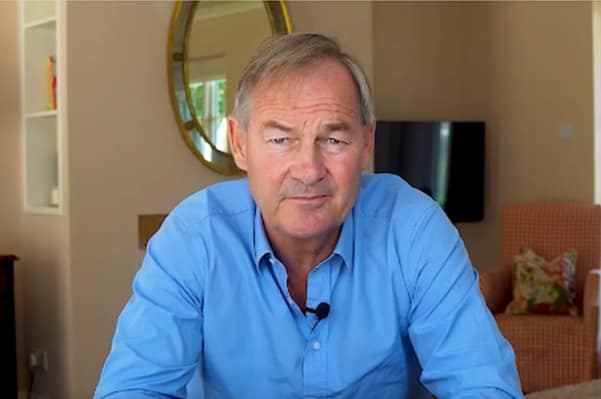
In a video accompanying his statement, Mr Lowe said the two parties agreed on many issues but insisted any partnership must begin with a commitment not merely to end illegal migration but to reverse it.
He called for the deportation of all illegal migrants and argued Britain should pursue what he described as “demographic security”, alongside measures including banning the burka, prohibiting halal and kosher slaughter, outlawing cousin marriage and abolishing sharia courts.
Beyond immigration and cultural issues, Mr Lowe said any pact would also require agreement on holding a referendum on restoring the death penalty, reducing welfare spending to strengthen Britain’s economic self-sufficiency, and excluding former Conservative ministers from any future government.
The Greater Manchester result showed what Restore Britain can deliver.
The next step is how we maximise the chances of delivering the change Britain needs – it means putting personal differences aside.
That is why today I am making a public offer to Nigel Farage and Reform UK. pic.twitter.com/vwQJYRkEFp
— Rupert Lowe MP (@RupertLowe10) August 2, 2026
The intervention places fresh pressure on Mr Farage, whose party has sought to broaden its electoral appeal while maintaining its focus on immigration, taxation and public services. Accepting Mr Lowe’s conditions could energise parts of Reform UK’s activist base but risk narrowing its appeal among more moderate voters. Rejecting them, meanwhile, could leave the right-of-centre vote divided at a time when both parties argue the political landscape is shifting.
Whether the offer marks the beginning of negotiations or simply a public challenge to Reform UK’s leadership will depend largely on Mr Farage’s response. For now, Mr Lowe has ensured that questions over unity on the British right have moved back to the centre of the political debate.


Leave a Comment