
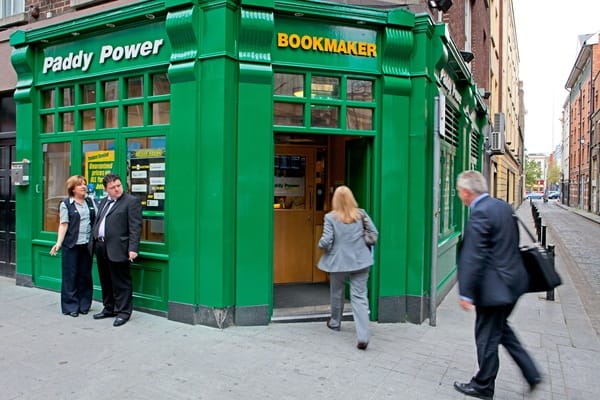
On 20 October Flutter, the owner of Paddy Power, said it would cut about 1,400 jobs across the UK and Ireland, while the industry works through a much heavier tax bill. The duty is now the main story in online gambling. What it means for the person placing the stake gets far less attention.
Since 1 April, Remote Gaming Duty on online casino games has been 40%, up from 21%. The duty covers online slots, table games and live dealer products, while sports betting has its own duty. It is charged on gross gaming yield, which is the stakes an operator takes in minus the winnings it pays out. That detail matters, because it ties the size of the tax bill to the margin on every game.
Take £100 staked on a slot with a 96% return to player, or RTP. Over the long run players get £96 back, which leaves £4 of yield. At the old rate, duty took 84p of that. At 40% it takes £1.60, and what the operator keeps after duty falls from £3.16 to £2.40. To get back to £3.16 after duty, the operator would need about £5.27 of yield per £100 staked, which means an RTP of roughly 94.7%. The sum ignores bonuses, marketing and every other cost, and nobody has said casinos will do this. It does show why the question keeps being asked, and why a move of even one point in a game’s return would be worth real money to a large operator.
Published payout figures show how much room there is. A ranking of stated payout rates at UK casinos on online-casinos.com runs from 95.60% for Betfred to 98.58% for William Hill. Those are averages compiled by the site, with some backed by public test certificates and others calculated by its own team, so they are not audited results. Even so, that spread is not trivial: the gap between the top and bottom of that table is about three percentage points, more than twice the 1.3-point shift in the sum above.
A cut to headline RTP would also be the most visible response, and operators have quieter levers. London Loves Business reported in September that operators could trim marketing, bonuses and VIP schemes before touching game returns. Bonus terms are already tighter than they were, since wagering requirements on UK bonuses have been capped at 10x since 19 January 2026, so there is less room to lean on small print.
Slots add a complication. Some game suppliers offer the same title in more than one RTP configuration, and the operator chooses which version to run. Two casinos can therefore carry the same game name and return different amounts. The figure that counts is the one for the version in front of you, and the Gambling Commission’s remote technical standards (RTS 3) say that information a player needs to judge their chances, such as the RTP percentage, house edge or probability of winning, must be easily available before they commit to gamble. In practice that means the game’s information panel, which is worth opening before the first spin, not after the first loss.
The evidence of a change in returns will come slowly. Duty is paid on quarterly accounting periods, so the April increase was not expected to show fully in HMRC receipts until the July figures. Flutter’s cuts, reported by London Loves Business on 20 October, are one early sign of how firms are absorbing the cost. A separate Remote Betting Duty rise, from 15% to 25%, follows in April 2027.
Please play responsibly. For more information and advice visit https://www.begambleaware.org
Content is not intended for an audience under 18 years of age


Leave a Comment