
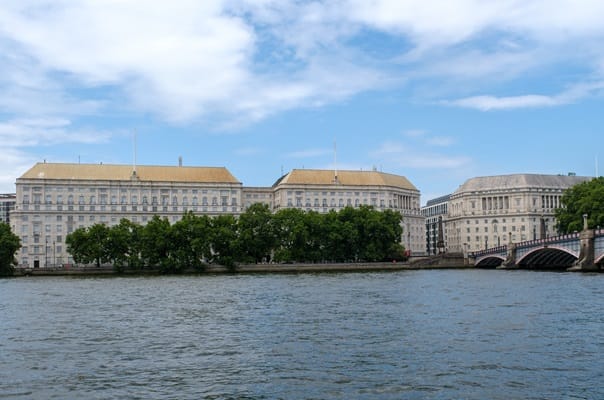
MI5 has faced accusations of “flagrant racism” after restricting applications for its summer internship programme to students from ethnic minority backgrounds, excluding white candidates even where they may come from disadvantaged backgrounds.
For the 2026/27 academic year, students in their final or penultimate year of university are eligible to apply for the intelligence agency’s summer internship, but applicants must be from a “black, Asian, mixed heritage or ethnic minority background”.
Candidates must also come from a “socially or economically disadvantaged background”, according to the agency’s website.
The scheme is also being run by Government Communications Headquarters, or GCHQ, as part of efforts to address what the agencies describe as underrepresentation within their workforces.
Chris Philp, the shadow home secretary, criticised the policy as “flagrant racism from MI5 & GCHQ”.
He wrote on X: “White applicants for summer 2027 internships – including from disadvantaged backgrounds – can’t apply. The scheme must be scrapped.
“Applications should be merit-based and colour blind. Working class white boys are among the most disadvantaged – yet are ignored.”
MI5 and GCHQ have defended the approach, arguing that the restricted recruitment is intended to address an existing imbalance within their workforces.
The guidance for applicants states: “We’re confining the applications for this internship to those within this demographic due to a current underrepresentation in our workforce.”
The policy has also drawn criticism from Nigel Farage, leader of Reform UK, who accused the public sector of promoting anti-white discrimination.
“Yet again, taxpayer funds are being used to fuel a culture of anti-white prejudice across the public sector.
“It’s racism. It’s wrong. Only Reform will bring meritocracy back to our institutions. We’ll ensure that nobody is discriminated against based on the colour of their skin.”
The controversy highlights a wider tension within public-sector recruitment between attempts to address underrepresentation and the legal requirement for positive action to be proportionate.
The summer intelligence internship has been offered across MI5, MI6 and GCHQ since 2023, with the stated objective of helping to “increase diversity within our organisations”.
The agencies have faced repeated criticism over the programme, including accusations that earlier internships amounted to discriminatory recruitment because they were restricted to young people from BAME backgrounds.
Similar concerns have previously been raised over recruitment for senior administrative roles.
The latest dispute comes amid a broader political argument over diversity, equity and inclusion policies in British public institutions, with critics arguing that measures intended to correct historic disadvantages can themselves create new forms of unequal treatment.
The Equality and Human Rights Commission says employers can use “positive action” to encourage members of particular groups to apply for jobs where they are disadvantaged or underrepresented.
However, the commission says such measures must be “proportionate” to the disadvantage or underrepresentation being addressed.
“If an employer wants to take positive action in this way, the advert should clearly state the employer is seeking applications from everyone but wishes to encourage applications from people with a particular protected characteristic on the basis that they are underrepresented or face disadvantage,” the EHRC says.
That distinction could prove central to the controversy surrounding the intelligence agencies’ internship scheme.
While MI5 and GCHQ argue that the restriction reflects underrepresentation within their workforces, critics contend that excluding otherwise eligible white applicants goes beyond encouraging applications and instead creates a direct barrier to entry.
The dispute places the intelligence agencies under renewed scrutiny over how they balance diversity objectives with merit-based recruitment and Britain’s equality law.


Leave a Comment