
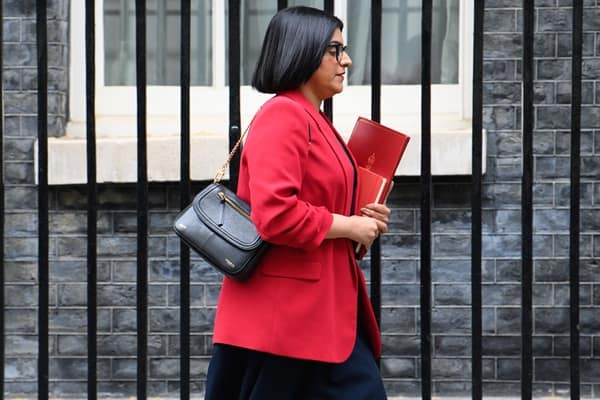
Former Labour Home Secretary Alan Johnson has urged Shabana Mahmood to press ahead with her proposed overhaul of Britain’s migration system, warning that retreating in the face of opposition from Labour MPs could carry a heavy political price.
Johnson, who served as Home Secretary under Gordon Brown in 2010, said illegal immigration remained a “very big issue” for voters and argued that the more Mahmood listened to Labour backbenchers opposing her reforms, “the worse it will be” for the party.
In a pamphlet produced by think tank Policy Exchange, which interviewed more than a dozen former Home Secretaries on issues including policing, terrorism and border control, Johnson delivered a blunt message to his successor.
“Don’t listen to your Labour colleagues – press ahead,” he said.
“When you’re doing something that really needs to be done, particularly on illegal immigration, you always get a kickback, and she’s got to carry on.”
The intervention comes as Mahmood faces pressure from both sides of the Labour party over proposals that would substantially lengthen the route to permanent residence for migrants.
Under the Home Secretary’s plans, the standard qualifying period for indefinite leave to remain would rise from five years to 10. The reforms are expected to apply retrospectively to people already in Britain, although ministers are considering exemptions for certain groups, including potentially health and social care workers.
More than 80 Labour backbenchers last month urged Prime Minister Andy Burnham not to back measures they warned could alienate progressive voters.
Burnham, who had previously appeared sceptical about parts of Mahmood’s approach, is nevertheless widely expected to support the legislation, arguing that reform could make the immigration system fairer for both asylum seekers and local communities.
Johnson said Mahmood was right to examine Denmark’s approach to migration, and warned Labour that failure to address public concern could create an opening for its political opponents.
“Pictures of people coming illegally into this country, people feel really, really strongly about it, and it’s no good suddenly thinking ‘We’ve done this to death, let’s move on’,” he said.
“We need to have the right policies to address it, or someone else will.
“This is Shabana’s main argument – ‘If we don’t do it there’s a very, very different approach from a very different party and they’ll end up in government’.”
The intervention comes alongside mounting scrutiny of the cost of managing the asylum and immigration system.
Home Office figures show £185.5 million was spent between June 2025 and May 2026 transporting and housing people held in immigration detention and Border Force custody. The spending included transfers between prisons, police stations, hospitals and holding facilities, as well as the operation of immigration removal centres and escorts for deportation flights.
The figures have intensified criticism from opposition politicians and taxpayer campaigners over the cost of the system.
John O’Connell of the TaxPayers’ Alliance called on the Home Office to “pull the handbrake” on what he described as “eye-watering waste”.
Shadow Home Secretary Chris Philp described the spending as “a catastrophic waste of taxpayers’ hard-earned money”.
For Mahmood, the political calculation is increasingly stark: Labour MPs are warning against a tougher migration settlement, while Johnson argues that failing to act risks leaving voters to seek an alternative elsewhere.
The government’s challenge will be to turn its proposed reforms into a functioning system without allowing internal divisions over immigration to overwhelm its wider governing agenda.


Leave a Comment