
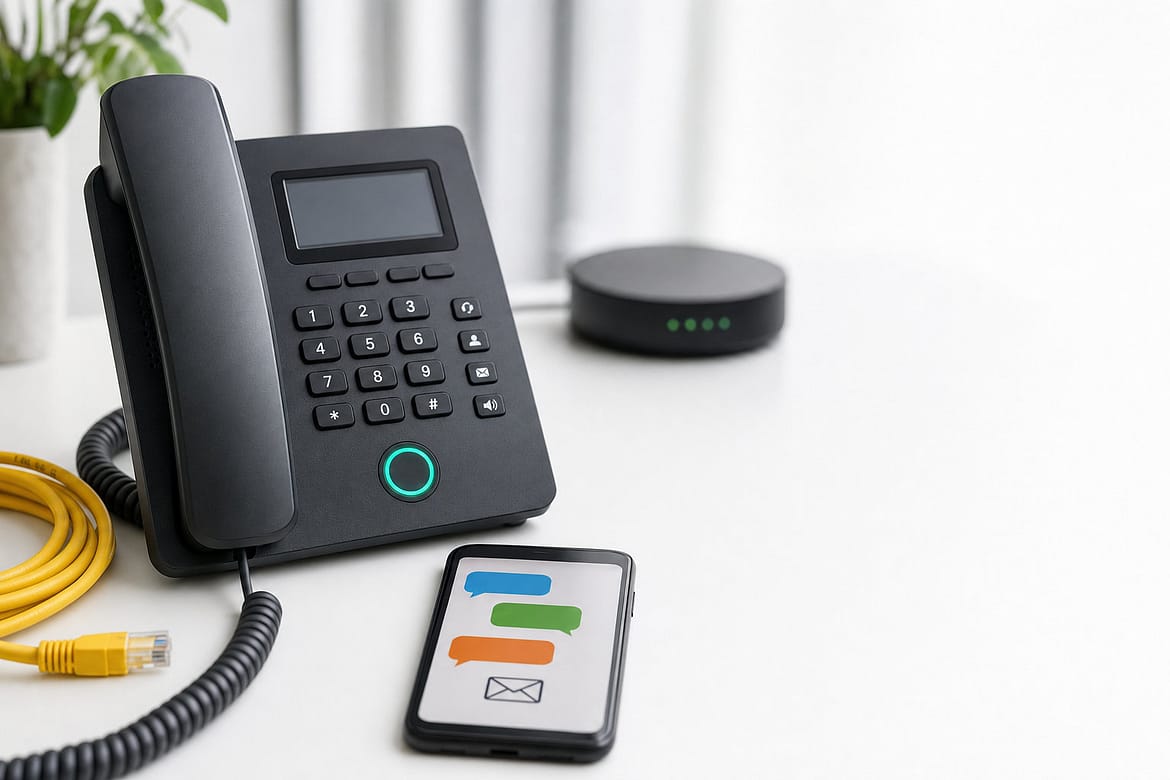
Businesses are turning to new communications technology to meet rising customer expectations for speed and convenience. Integrating multiple channels and smarter systems can streamline operations and reduce service inefficiencies. From routing to data integration, these advances are changing how companies deliver support in a digital-first era.
Customer service is now a technology-driven function, as London businesses and UK firms face growing pressure to respond quickly and maintain consistent communication across various platforms. With consumers expecting seamless interactions, organisations must adapt their processes and tools to avoid fragmented experiences and rising operational costs. Cloud Contact Centre Solutions, alongside automation and integration advances, can enable organisations to meet complex demands while optimising service delivery. Understanding the technology landscape is crucial for any business aiming to remain competitive and meet current expectations in regulated and fast-paced UK sectors.
Changing expectations and the technology response
Businesses have experienced a marked shift in how customers interact, as more people expect immediate answers and use a broader range of digital channels. This rapid change has outpaced the capabilities of traditional service tools, prompting companies across the UK, especially those in London, to reconsider the role of technology in customer service strategies. Cloud-based solutions with omnichannel capabilities allow teams to manage these evolving expectations more effectively.
Managing separate voice, email, chat, and social media systems often leads to high operational costs and increased risk of missed or duplicated interactions. Integrating these channels into a single workflow enables London-based service teams and UK firms to monitor, prioritise, and respond more efficiently, reducing gaps and delays for customers who demand a seamless journey.
Streamlined workflows and smarter handling
Modern solutions focus on consolidating core communication channels within an integrated platform, making it easier to assign and track queries. This reduces unnecessary handovers and limits duplicated admin, which can frustrate customers and staff alike. As a result, organisations can allocate resources more effectively and deliver a smoother experience at every touchpoint, which is particularly valuable for busy city-based operations.
Intelligent routing features, such as skills-based assignment and automated triage, help ensure each request reaches the right person on the first attempt. This not only cuts wait times but also reduces the risk of customers needing to repeat themselves or abandon the process. For London businesses, where customer experience is often a key differentiator, having a clear view of queue health and agent workloads enables managers to make real-time decisions to improve efficiency and satisfaction.
Connecting conversations with customer data
Combining customer communication records with existing databases or service desk platforms gives agents crucial context for every interaction. With order history, previous contact notes, and relevant account details visible in one place, teams can resolve issues more quickly and with greater consistency. For high-value or complex enquiries, especially those handled by UK firms in regulated sectors, understanding the customer’s background leads to improved outcomes and compliance.
Agents spend less time switching between systems or searching for information, allowing them to focus on resolving queries at the first point of contact. This can enhance service satisfaction and contribute to more consistent support, as teams rely on complete, up-to-date information. IT Consultancy, when included in a customer service transformation, helps businesses with integration planning, governance, and aligning operational technology to ensure customer data and communications platforms work seamlessly together.
Safeguarding quality and delivering measurable results
The regulatory environment in the UK requires businesses to have robust quality control and compliance processes, especially when dealing with sensitive customer data. Modern communications technology platforms now include features such as call recording, audit trails, and granular permissions, supporting governance requirements for regulated London and UK businesses without adding excessive administrative overhead or slowing down response times.
Measuring the impact of these changes calls for a focus on practical outcomes. Key metrics such as customer satisfaction, call abandonment rate, average handling time, and cost-to-serve offer decision makers clear evidence about improvements or areas that may need adjustment. These measurements can guide future investments and help demonstrate the value of updated communications technology to business leaders and stakeholders.


Leave a Comment