
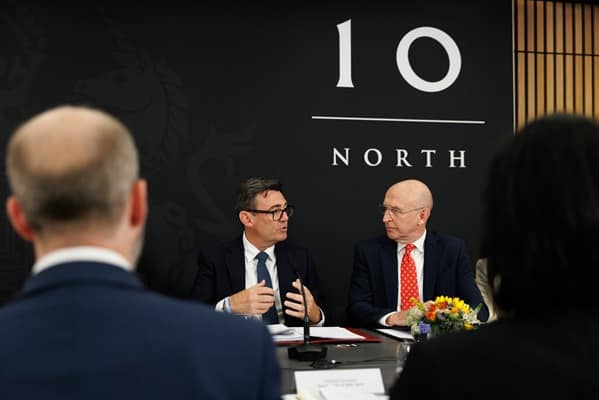
Andy Burnham has signalled he is prepared to tighten conditions for receiving benefits, opening a potentially divisive new chapter in Labour’s approach to welfare as mounting fiscal pressures force difficult choices across government.
The Prime Minister suggested ministers could strengthen the obligations placed on some claimants, arguing that more people could enter employment if provided with the right support.
“There are people out there who, with the right support, can go into work,” Burnham told the BBC, adding that the Government was considering whether to “increase the conditions on people required to receive benefits.”
The remarks represent one of Burnham’s clearest indications yet that his administration is prepared to revisit the balance between welfare support and work requirements—a debate that has repeatedly exposed fault lines within Labour.
The intervention comes ahead of a speech on adult social care, where Burnham is expected to accelerate work on long-delayed reforms without immediately unveiling a new funding model.
Instead, ministers are expected to bring forward the timetable for the independent Casey Commission, which is examining options for overhauling England’s social care system.
The timing is significant.
With growing demands for higher defence spending, an ageing population and persistent pressure on public services, the Treasury faces increasingly constrained fiscal choices ahead of the Government’s first Budget.
Against that backdrop, welfare has emerged as one of the few areas where ministers believe savings may be achievable without raising taxes.
According to reports, ministers are examining proposals that could require some younger benefit claimants to undertake training, education or voluntary work as a condition of continued support.
Such measures would be politically contentious within Labour, where previous attempts to tighten welfare rules triggered resistance from many backbench MPs.
Burnham sought to temper his comments by arguing that responsibility does not rest solely with those receiving benefits.
He said many young people had been “quite seriously let down” because support had not been available when it was needed, suggesting reform should combine stronger expectations with improved employment and skills programmes.
That approach reflects an attempt to frame welfare reform as part of a broader economic strategy rather than simply a cost-cutting exercise.
The debate over welfare is becoming increasingly central to Burnham’s wider economic agenda.
Alongside reforms to social care, the Prime Minister is expected to announce further initiatives on youth unemployment and devolution in the coming days, signalling a broader effort to increase labour market participation while easing pressure on the public finances.
Whether that strategy succeeds may depend on Labour’s ability to persuade both financial markets and its own parliamentary party that tighter welfare conditions can coexist with the party’s longstanding commitment to social protection.
The coming Budget is therefore likely to test not only the resilience of Britain’s public finances, but also Burnham’s capacity to redefine Labour’s social contract in an era of limited fiscal room for manoeuvre.


Leave a Comment