
Millions of pensioners are preparing to receive financial support towards their heating bills as Winter Fuel Payments begin arriving from mid-November, with older households being urged to make the money go further as temperatures fall and energy costs continue to strain household budgets.
The Department for Work and Pensions (DWP) has confirmed that eligible households in England, Wales and Northern Ireland could receive between £100 and £300 for winter 2026/27, with payments expected to begin from mid-November and continue throughout December.
Anyone born on or before June 27, 1960, could qualify, according to government guidance, with most eligible pensioners receiving the money automatically.
However, the amount paid will depend on the recipient’s age and household circumstances during the qualifying week in September. Pensioners are also being reminded that those with individual annual incomes above £35,000 will have their payments recovered by HM Revenue and Customs through the tax system.
With heating bills becoming a major concern for older households during the colder months, energy experts are urging pensioners to look beyond simply turning up their thermostats and consider relatively inexpensive ways to prevent heat escaping from their homes.
Gordon Wallis, energy expert at Your NRG, said the payment could provide welcome breathing space but warned that households should think carefully about how they use the additional support.
The Winter Fuel Payment can provide a welcome bit of financial support for older households, particularly as temperatures begin to drop and heating systems are being used more regularly.
However, it’s important that pensioners think carefully about how they use this money and look at ways to make their heating budgets stretch further throughout the winter.
Rather than relying solely on turning the heating up when temperatures fall, there are several simple improvements people can make around their homes to help retain warmth.
One of the first measures recommended is checking windows, doors and floorboards for draughts. Even relatively small gaps can allow warm air to escape, forcing heating systems to work harder to maintain comfortable temperatures.
Wallis recommends installing draught-proofing strips around windows and external doors, using draught excluders and filling unwanted gaps around floorboards.
“People often underestimate how much heat can be lost through seemingly insignificant gaps.
Fitting draught-proofing strips around windows and doors, using draught excluders and filling unwanted gaps around floorboards can all help prevent cold air from entering the home.
“These are relatively straightforward improvements that could make rooms feel more comfortable without having to increase the heating.”
The Energy Saving Trust also recommends draught-proofing to reduce heat loss, improve comfort and potentially lower energy bills, making it one of the more accessible improvements for households trying to manage winter costs.
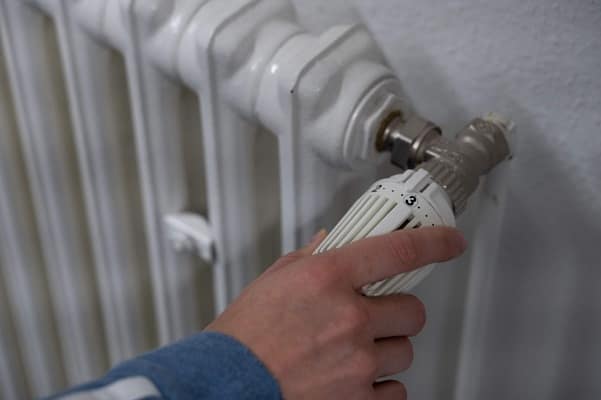
Curtains and heating controls can also make a difference. Closing curtains as soon as darkness falls can help retain warmth, particularly in older properties with inefficient windows. Ensuring radiators are not obstructed by furniture or heavy curtains can also improve heat circulation.
Wallis said households should check that heating systems are programmed around their daily routines to avoid wasting energy heating empty rooms.
But there is an important warning against taking energy-saving measures too far. Blocking ventilation points in an attempt to retain warmth can create problems with damp and condensation.
“While sealing unwanted gaps is beneficial, it’s important not to block airbricks, extractor fans or trickle vents.
Good ventilation helps prevent condensation and damp, which can become bigger problems during the colder months.
Wallis said the Winter Fuel Payment should be combined with practical improvements to make household energy spending more effective.
The Winter Fuel Payment can help ease some of the pressure that comes with higher heating bills, but making your home as energy efficient as possible is just as important.
“Small changes, such as tackling draughts, making better use of curtains and checking your heating controls, can all help you get more from the energy you’re paying for.
With winter approaching, now is a good time to check your home, identify where heat might be escaping and make a few improvements before the coldest weather arrives.
For pensioners facing another expensive winter, the payment offers additional financial support, but the challenge remains ensuring that the money provides lasting relief rather than simply covering the immediate cost of keeping homes warm.


Leave a Comment