
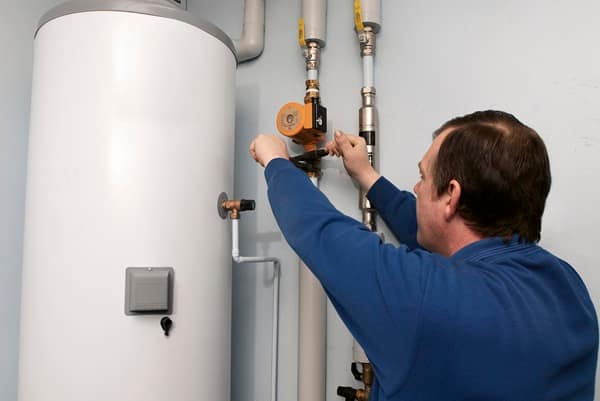
Millions of households are being urged to check their heating systems before temperatures fall further, as British Gas warns of a surge in boiler failures and fresh concerns emerge over the cost of replacing gas boilers.
Britain’s households are heading into the colder months facing a familiar winter fear: the heating failing just as it becomes essential.
British Gas has warned that an estimated 34,000 homes across the UK could be hit by boiler breakdowns as temperatures fall and households switch on their central heating. The warning comes as forecasters signal a colder spell ahead, raising the prospect of a seasonal rush for emergency repairs, hot water and heating.
The timing could hardly be more difficult for families already struggling with household bills. A boiler failure in cold weather is more than an inconvenience: it can leave homes without heating or hot water while households compete for engineers during the busiest period of the year.
Energy companies expect demand for heating services to climb as people return to their boilers after months of warmer weather. The first sustained cold spell often exposes faults that have gone unnoticed over the summer, when heating systems remain switched off for long periods.
Peter Knowles, a British Gas service and repair engineer, urged households not to wait until temperatures fall further before checking their systems.
“After the warmer summer months, it’s easy to put off some of those jobs around the home until the weather takes a turn,” he said.
“But getting ahead now can make all the difference.”
The advice is straightforward, but the consequences of ignoring it can be expensive. Households are being encouraged to check their boiler pressure, ensure radiators are heating properly and bleed them if trapped air is preventing heat from circulating. Exposed pipes should also be protected against freezing, while homeowners should make sure they know where their main stopcock is located in case a pipe bursts.
A few additional precautions can help prevent heat escaping. Sealing draughts around doors and windows, moving furniture and heavy curtains away from radiators, and clearing leaves from gutters can improve comfort and reduce the risk of damp. Homeowners should also inspect roofs for visible damage and consider whether their thermostat settings and zonal heating controls are being used efficiently.
Any boiler checks should follow the manufacturer’s instructions. Gas appliances should be serviced by a suitably qualified Gas Safe registered engineer, and homeowners should not attempt repairs involving gas components themselves.
The warning comes against a wider backdrop of uncertainty over the cost of keeping British homes warm. Households considering replacing ageing gas boilers may face additional charges linked to government policy designed to increase the installation of lower-carbon heating systems.
Under the current framework, boiler manufacturers face targets for heat pump sales, with financial penalties for failing to meet their obligations. Critics argue that some of these costs are passed on to consumers through higher prices for conventional gas boilers.
Reports suggest ministers are considering tightening the targets further. The existing surcharge on some gas boilers has been put at around £100, with proposed changes potentially pushing it to £140. The final impact would depend on the policy adopted and how manufacturers and suppliers respond.
For homeowners facing an unexpected breakdown, the prospect of a more expensive replacement adds another layer of anxiety. Repairing an existing boiler may be possible, but older systems can require costly parts or eventually need replacing altogether.
Households should check whether they qualify for government grants or other energy-support schemes before committing to major heating work. Eligibility varies by scheme, property and circumstances, so official guidance should be consulted.
British Gas’s warning is ultimately a reminder that winter preparation can make the difference between a manageable maintenance job and an emergency. With demand for engineers expected to rise as the weather turns colder, households that identify faults early may have more time to arrange repairs and avoid the rush.
But the wider challenge remains; as Britain moves towards another winter, keeping homes warm is not simply a question of turning up the thermostat. For households already under financial pressure, the cost of a breakdown — and the price of replacing the equipment that keeps the cold out — can be a substantial burden.


Leave a Comment