
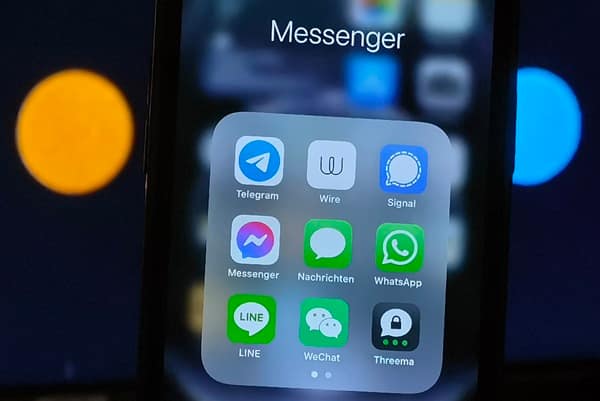
Telegram and Signal get the most attention for keeping your chats private, as do all the messaging apps. People say good things about how they keep your messages secure. However, the two apps are also different. Let’s discuss how Telegram and Signal stack against each other in terms of privacy and security.
What is Signal?
Signal is a messaging app created by a non-profit group focused on privacy. Their primary goal is to give people a way to chat and share stuff securely. Signal uses end-to-end encryption, so only you and the person you’re messaging can read what is sent. – nobody else can see your messages. The app’s code is open for anyone to look at, which helps catch problems fast. Overall, Signal aims to keep your conversations as private as possible.
What is Telegram?
In 2013, the creators introduced a messaging app called Telegram. It lets people chat, call, share stuff, and make groups. In 2019-2020, protesters used Telegram to plan big gatherings. This was thanks to Telegram’s huge group chats, which can have up to 200,000 members! Telegram also has channels. Organizers can post updates there. Users can stay anonymous on Telegram. They can hide their phone number if they want. So, Telegram became popular for protesters organizing enormous crowds.
Is Signal better than Telegram?
Both Signal and Telegram are good messaging apps, but one may be better for you based on what features you need. To compare Signal and Telegram, we’ll look at their unique qualities. This will help you decide which app best fits your needs. Though they are both great options, comparing features will show if Signal or Telegram is better suited for you.
Encryption
Signal
Signal uses something called the Signal Protocol for security. This encrypts messages and calls from end to end. Encryption turns messages into secret code. Only the sender and recipient have the keys to unlock the code.
Not even Signal’s servers can read people’s chats. The Signal Protocol is the encryption tech behind Signal. Experts say it’s one of the most secure encryption methods out there. The protocol ensures the privacy of old messages. Even if a key gets leaked later, past chats stay locked. It uses advanced techniques like the Double Ratchet Algorithm, pre-keys, and a triple Diffie-Hellman handshake. This all protects communication.
Telegram
It encrypts all chats and calls, too. You can use end-to-end encryption by picking Secret Chats. This also lets messages self-destruct on a timer. But end-to-end encryption isn’t enabled by default. It’s off for group chats, calls, live streams, channels, etc. Instead, Telegram uses client-server encryption there. Telegram claims that it encrypts everything on its servers. For safety, Telegram stores the keys to unlock the data separately.
What this means is that Signal has tougher security overall. All chats use end-to-end encryption. Telegram uses a mix of encryption types. This may not be quite as secure. But it allows for more flexible features. So Telegram offers both privacy and more options, but Signal prioritizes privacy above all.
Ease of signup
Signing up for Signal and Telegram is similar. Both only need your phone number to get started. Here are the major steps for each app:
- Enter your phone number with the country code
- Verify the number through a code texted to you
- Make a profile with a name (it can be fake) and an optional photo
Signal uses your phone as your ID. People can contact you if they have your number and signal, too. On Telegram, your number is also your ID at first, but you can create a username later. Usernames let you chat without sharing your number. So, signing up is about the same for both. However, Telegram offers usernames for more privacy and easier connecting. Signal is now testing usernames, too.
Overall, the signup is straightforward on both apps. However, Telegram originally had an edge with its username feature. Now, Signal is adding that option for more privacy.
Device support
Signal
You can get Signal for Android and iPhone smartphones.
- Signal desktop apps are also available for Windows, Mac, and Linux. However, these need to be connected to your phone app.
- This is an iPad-supporting app, not for Android. Tablets can use phone apps with calling capabilities.
- You can’t use Signal in a web browser. This is because of its encryption security.
Your phone is always the main signal device since it has your number. Other devices link to it. You can connect up to five devices to your phone’s Signal account. New devices sync messages but won’t get older ones from before linking. Signal is available on mobile and desktop but requires phone app linking. No web version exists to maintain security. Devices sync messages once connected through the phone app.
Telegram
You can also get a telegram on Android and iPhones:
- Telegram has tablet apps for both operating systems.
- There are Windows, Mac, and Linux desktop apps, too. You don’t need to link them to your phone.
- Telegram lets you use it directly in your web browser as well.
- Telegram syncs across all your devices with no limit.
So, Telegram works on more platforms. You can sync to as many devices as you want for easy access. Signal supports fewer apps because of its tight security focus. Again, Telegram offers more flexibility, while Signal prioritizes privacy. It depends if security or options are more important to you.
Overall features
Signal
Signal’s best feature is end-to-end encryption for all chats. Most of Signal’s features focus on security and privacy:
- End-to-end encryption keeps all messages and calls private. Only the sender and recipient can access them.
- You can make messages disappear after a set time. They’ll vanish from both devices.
- Signal has no ads or trackers since it’s non-profit.
- Screen lock prevents previews in recent apps.
- Use a PIN or biometrics to unlock the app.
- Sealed sender hides your identity from Signal’s servers.
- Safety numbers verify the security of chats and calls.
- You can message yourself to take notes across devices.
- Relay calls through Signal’s server to hide your IP address.
- View-once media makes photos and videos disappear after being opened.
So Signal is designed around security and privacy above all else. Nearly all its features aim to protect user data and communication.
Telegram
Telegram focuses more on giving users many options rather than privacy like Signal.
- Messages are saved securely in the cloud so Telegram can be used on multiple devices.
- Group chats can have up to 200,000 people
- Channels let you broadcast publicly to sizable groups
- Bots add automated responses, news, games, and links to other services
- Share really big files up to 2GB each
- Secret chats are end-to-end encrypted like signal
- Customize how Telegram looks with different themes
- Vast selection of stickers and emojis to use
- Can make polls and quizzes in groups
- High-quality voice and video calls
- Usernames: keep your number private
- Organize chats into folders
In summary – Signal focuses on privacy protections, while Telegram gives you more ways to chat with individuals or sizeable communities.
Group chat features
Signal
Signal group chats are now end-to-end encrypted, like other messages. Features include:
- Encrypted messages, voice, and video calls
- Admins add/remove people, change group settings
- Mention individuals for notifications
- Admins can share invite links to add members
Telegram
Telegram is known for supporting vast groups of up to 200,000 members – the largest of any chat app. In contrast, Signal has 1,000 members, and WhatsApp has 1,024. This makes Telegram useful for organizing major protests.
- Groups can have up to 200,000 members, more than any other chat app.
- Large groups can become supergroups with more tools like admin controls and pinned messages.
- Admins can manage members, settings, moderation, and set permissions.
- Admins can create polls and quizzes right in the chat.
- Voice and video calls are supported in groups.
- Bots can be added for automated services, entertainment, and moderation.
- Members can directly reply to or mention others to notify them.
- Groups can be public or private by invitation.
So Telegram has extensive features for group chats, but they’re not end-to-end encrypted like signals. Once again, it’s a tradeoff between features and privacy.
Privacy and security
- Signal prioritizes privacy and security. It uses end-to-end encryption to keep chats private. Features like vanishing messages and view-once media also boost security.
- Telegram is less secure than Signal. But lower security enables more features. Both are open-source so anyone can check the code for flaws.
In short:
- Signal favours privacy above all. It uses top encryption and disappearing messages.
- Telegram offers lots of features but sacrifices some privacy.
- Open source code allows security audits.
Signal favors privacy above all. It uses top encryption and disappearing messages.
Telegram offers lots of features but sacrifices some privacy.
Open source code allows security audits.
Secure messaging is only one part of protecting your online privacy. While end-to-end encryption keeps conversations private, it doesn’t conceal your browsing activity or IP address. Many privacy-conscious users combine encrypted messaging with a reputable VPN for broader online protection. PrivacySavvy’s research on the best VPN services compares the leading options based on security, speed, and privacy policies.
Signal focuses on security. Telegram opts for features over absolute privacy. Choose what matters most.
Conclusion
Signal and Telegram differ a lot. Signal uses end-to-end encryption always. Telegram only offers it as an option in Secret Chats. Signal is the best app. Telegram is more social, uniting sizeable groups and channels. If you want maximum privacy for small chats, pick Signal. If you want to join movements or get into easily, choose Telegram.
In short:
- Signal is best for private 1-on-1 or small group chats.
- Telegram is better for public groups and channel broadcasts.
Focus on security? Pick Signal. Want social features? Go Telegram.
FAQs
Which is better to use, Telegram or Signal?
Want secure chats with just a few friends? Go with Signal. Its focus is privacy. Prefer sizeable groups and social features? Telegram offers more – channels, stickers, and bots. Signal keeps convos safe. Telegram provides community and extras. Choose based on your priorities.
Is Telegram safer than Signal?
Telegram and Signal take different approaches to privacy. Telegram lets you use a username, so you don’t have to give out your phone number. But Signal encrypts all chats end-to-end and collects almost no data about you. So even though Telegram has one useful feature, Signal is more secure overall in keeping your conversations private. Signal is the safer messaging app.
What’s the difference between WhatsApp and Signal?
WhatsApp and Signal encrypt messages so only the sender and recipient can read them. However, WhatsApp keeps track of who you chat with and when, while Signal does not record that info. WhatsApp belongs to a big company that wants to gather data about you but – runs Signal profit focused on keeping your info private. While the two apps are similar in letting you text, voice chat, and video chat, Signal aims to protect your privacy more than WhatsApp does.
What’s the difference between WhatsApp and Telegram?
WhatsApp keeps all chats private, so only you and the person you talk to can read them. On Telegram, you need to use a special secret chat if you want your messages to be extra secure. Telegram also has channels that allow you to simultaneously send information to many people. WhatsApp started adding channels last year, so Telegram is still better for sizeable groups. Telegram can have up to 200,000 folks in one chat group, which is great for planning big events. WhatsApp only allows up to 1,024 people to chat in a group.





Leave a Comment