
Britain is set for stronger growth this year, but rising energy costs, stubborn inflation and a looming £35bn fiscal squeeze leave the Chancellor facing a treacherous Budget.
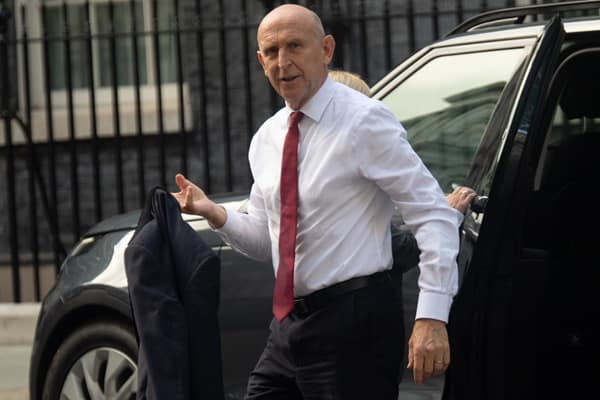
Britain’s economic recovery has received a tentative vote of confidence from the International Monetary Fund, offering Chancellor John Healey a boost ahead of his first Budget — but the reprieve could prove short-lived.
In its October World Economic Outlook, published on Tuesday, the IMF upgraded its forecast for UK economic growth in 2026 to 1.3 per cent, from 1 per cent in July, after stronger-than-expected performance in the first half of the year.
The revision puts Britain among the fastest-growing G7 economies, alongside Germany. But the Fund warned that growth would ease to 1.2 per cent in 2027 as higher energy costs linked to the US-Iran conflict and elevated long-term borrowing costs squeeze households and businesses.
The IMF described the economic consequences of the Middle East conflict as “highly uncertain”.
Read more related news:
Burnham’s care plan has one funding source left, and it’s your wealth
Clarkson asks ‘why would anybody set up a business in this country’ under Burnham
Britain risks losing its wealth creators as Burnham courts Europe
Labour’s genius growth plan? Drive out the rich, punish businesses and wonder where the money went
Inflation remains another threat. UK prices are forecast to rise by an average of 3.3 per cent this year and 2.8 per cent in 2027, both above the Bank of England’s 2 per cent target. The Bank has separately warned inflation could exceed 4 per cent early next year, potentially reviving pressure for higher interest rates.
The timing is awkward for Healey, who must prepare a Budget against a deteriorating fiscal backdrop. Economists estimate he needs to find about £35bn to avoid public service cuts while meeting the Government’s defence commitments.
The Institute for Fiscal Studies has warned the Budget risks becoming a “work of fiction” unless the Chancellor explains how those costs will be financed.
Yet the IMF offered some encouragement on the public finances. Chief economist Silvana Tenreyro praised Britain’s fiscal consolidation efforts and urged the Government to “stay the course”. The Fund forecasts that the UK will have the lowest annual borrowing among G7 economies by 2031.
That optimism is not universally shared. Former Bank of England deputy governor Sir Howard Davies said the growth outlook was “better than it might have been”, but warned that the 2027 picture remained more pessimistic.
Conservative shadow chancellor Andrew Griffith cautioned against further tax rises, arguing they would damage growth, while Institute of Economic Affairs economist Valentin Boboc urged Healey to remove barriers to investment rather than rely on taxation.
The Chancellor faces a narrow path to restore confidence in the public finances without choking off the growth needed to sustain them. The IMF’s upgrade offers breathing space. Rising energy bills, stubborn inflation and expensive borrowing could quickly take it away.


Leave a Comment