
Most office managers think of carbon monoxide as a home safety issue, something for landlords and homeowners to worry about. It isn’t. Any workplace with gas heating, catering equipment, generators or an underground car park carries the same risk, and it’s one that’s easy to overlook until something goes wrong.
A risk that’s invisible by design
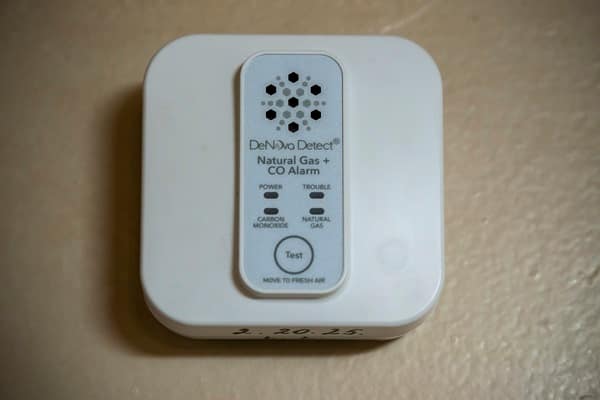
Carbon monoxide has no colour, no smell and no taste, which is exactly what makes it dangerous. It binds to red blood cells faster than oxygen does, so someone can be poisoned gradually without noticing anything beyond a headache or tiredness, symptoms easy to mistake for a long day at work. The only reliable way to know it’s building up is a working Carbon Monoxide Alarms system fitted wherever there’s a combustion appliance or enclosed space with an engine running.
Around 50 people die from unintentional carbon monoxide poisoning in the UK each year, with roughly 4,000 more needing hospital treatment. A meaningful share of these incidents happen away from the home, in workplaces with poorly maintained boilers or kitchen equipment. Older people are disproportionately affected, but the gas doesn’t discriminate between a home and an office, and the source is often exactly the same type of equipment either way.
Why offices get overlooked
Fire risk assessments are now routine for most London businesses, but carbon monoxide risk assessment tends to fall through the gaps. Employers have a duty under health and safety law to control risks from gas and combustion equipment, yet it’s common for that duty to be treated as covered by a boiler service certificate alone. A service certificate confirms the appliance was safe on the day it was checked. It says nothing about a slow leak developing six months later, or a blocked flue nobody’s noticed. Safelincs, which advises businesses on this kind of risk, sees this gap come up regularly: the paperwork looks complete, but nobody’s actually monitoring the air in between services.
Underground car parks and loading bays bring a different version of the same problem. Engines left running in an enclosed space can raise carbon monoxide levels quickly, and staff working nearby may not connect drowsiness or a headache with the air they’re breathing.
What’s worth checking
Any appliance that burns gas, oil, wood or coal needs a working carbon monoxide alarm nearby, positioned at head height and away from vents where fresh air could dilute a reading before the alarm picks it up. Alarms need testing regularly and replacing before they reach the end of their working life, since sensors do degrade over time even if the alarm still appears to be functioning. It’s worth checking any alarm carries British Standard EN 50291, a detail Safelincs flags often when businesses ask why one alarm costs more than another, since not every alarm sold meets that standard.
Staff should also know what the symptoms of low-level exposure look like. A headache or unusual tiredness that eases when someone leaves the building is a signal worth acting on, not ignoring.
An easy risk to miss, and an easy one to fix
Carbon monoxide risk doesn’t stop at the front door of a house. Any London business running gas heating or catering equipment, or operating vehicles in enclosed spaces, has the same exposure as a badly maintained home, just with more people in the building at once. A proper alarm, tested regularly and matched to the right standard, is a small cost against a risk that’s difficult to spot any other way.


Leave a Comment