
The government will spend £150m of taxpayers’ money on additional large sites to accommodate asylum seekers, as ministers pursue their pledge to close asylum hotels amid mounting opposition from communities facing new accommodation plans.
The investment, set out in the Treasury’s Budget documents, allocates £150m in capital funding for 2027-28 to develop alternative sites intended to reduce the government’s reliance on hotels, which have become a politically contentious and expensive feature of Britain’s asylum system.
“The Government is providing £150million capital investment in 2027-2028 to fund additional large sites to accommodate asylum seekers and facilitate the Government’s commitment to end the use of asylum hotels,” the Treasury said.
The Home Office maintains that moving asylum seekers into alternative accommodation will save money. A spokesman has previously said the government is closing every asylum hotel and has saved taxpayers more than £1bn on asylum support since the election.
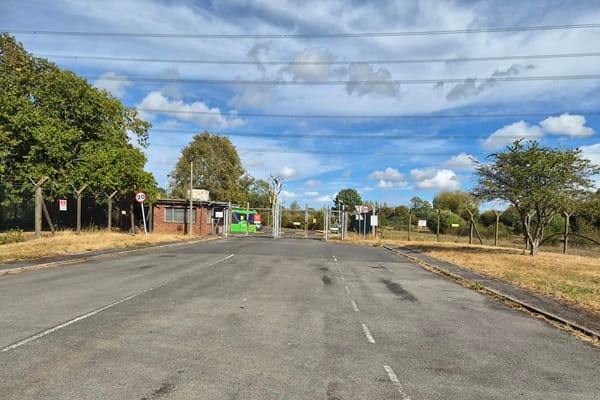
The department has also pointed to former military facilities as potential accommodation, arguing that self-contained sites can reduce disruption to surrounding communities. It says local authorities and police forces are consulted to address safety and security concerns.
But the strategy has triggered fierce resistance in parts of the country, where residents fear that large sites could place disproportionate pressure on small communities and local services.
In Piddington, Oxfordshire, residents staged a symbolic referendum last month in protest against plans to accommodate up to 1,256 male asylum seekers at the nearby former Ministry of Defence site at Bicester. The village has fewer than 400 residents, and campaigners have argued that the proposed facility would fundamentally alter the character of the area.
Barnham has since become another focal point of opposition. Residents there have voted to hold a referendum on leaving the UK in protest against plans to house 913 asylum seekers at a nearby RAF base. The village has a population of about 600, meaning the proposed site could accommodate more people than the settlement itself.
Such votes have no formal power to remove communities from the UK, but they underline the depth of local anger over decisions taken by central government.
For ministers, the challenge is twofold: dismantling the costly hotel system while securing enough alternative accommodation to house people whose asylum claims are being processed. Large former military sites may offer additional capacity, but their scale has intensified fears among residents who feel they have little influence over where facilities are located.
The £150mn allocation signals that ending hotel use will require substantial upfront investment, even as the government presents the policy as a route to savings. Whether those savings materialise — and whether ministers can persuade communities to accept the replacement sites — will be central to the credibility of Labour’s asylum strategy.


Leave a Comment