
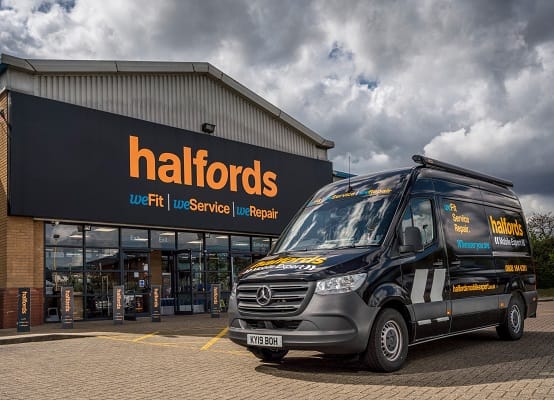
Halfords has enjoyed a summer sales boost as warmer weather encouraged consumers to spend on bicycles, motoring products and outdoor leisure, but the retailer’s plans to invest in its business have unsettled investors ahead of the crucial second half of its financial year.
The Redditch-based group reported a 7.1 per cent increase in like-for-like sales in the six months to October 2, reflecting stronger trading across its retail and automotive servicing operations. Shares fell, however, after the company signalled that investment spending would weigh on profitability in the coming months.
The contrasting signals underline the challenge facing the retailer: converting favourable trading conditions into sustainable growth while spending to strengthen its position in a competitive market.
Group retail sales rose 7.7 per cent year on year, with motoring sales increasing 7.3 per cent and cycling revenue climbing 8.3 per cent. Its autocentres business, which provides vehicle maintenance and servicing, rose a more modest but still positive 6.1 per cent.
Halfords attributed the performance partly to its strategy and stronger demand for seasonal products during the unusually warm summer. In August, the group upgraded its profit outlook after sales of bicycles, camping equipment and air-conditioning services benefited from the weather.
The latest update suggests that momentum carried into the autumn, although the sustainability of that growth remains a key question for investors.
Despite the stronger sales performance, Halfords reiterated its expectation of underlying pre-tax profit of between £55mn and £65mn for the current financial year.
The company has said investment plans will pressure profitability in the second half, tempering the immediate benefit of higher sales. For investors, the tension is whether spending today can deliver stronger earnings over time, rather than simply absorbing the gains from a favourable summer.
Halfords operates 367 stores under its main brand, alongside two performance cycling stores and 497 consumer garages. Its combination of retail outlets and automotive servicing centres gives it exposure to several sources of consumer spending, but also leaves the group balancing investment needs across distinct businesses.
The latest figures point to broad-based growth rather than a recovery confined to one division. Yet stronger revenue does not necessarily translate into proportionate profit growth, particularly when the business is increasing expenditure.
Henry Birch, chief executive, said the business had continued to perform positively in the first half, citing execution against strategic priorities and strong sales of seasonal categories during the warm summer weather.
“We move into the second half with confidence,” he said, adding that the group would provide more detail on its progress at its interim results announcement later next month.
That update will give investors a fuller opportunity to assess the balance between sales growth, investment spending and margins.
For now, Halfords enters the second half with its profit guidance intact and evidence of demand across its core operations. The central question is whether it can sustain that momentum when the seasonal tailwinds fade — and whether its investment programme can generate returns sufficient to justify the near-term pressure on earnings.




Leave a Comment