
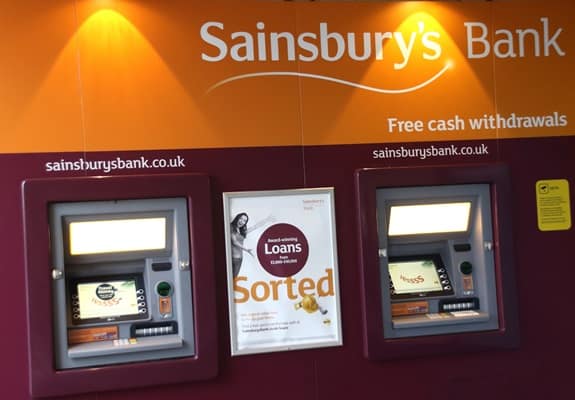
Britons withdrew record amounts of cash over the weekend as households appeared to respond to the Government’s call to prepare for emergencies, amid growing warnings that cyber attacks could disrupt essential services and payment systems.
The average ATM withdrawal on Saturday reached about £95, up from roughly £90 the previous week, setting a record for any Saturday since cash network Link began collecting data in 2014. Sunday also broke new ground, with the typical withdrawal exceeding £90 for the first time. Friday’s average topped £100, its highest level for that day of the week since July.
Graham Mott, Link’s director of strategy, said the figures suggested that some people had taken the Government’s advice to heart.
“It seems likely that at least some people chose to take the Government’s advice and take out some extra cash to be ready for some sort of emergency,” he said.
The increase in individual withdrawal amounts came despite a fall in overall cash taken out on Saturday. Withdrawals totalled £204mn, 11 per cent lower than on the equivalent day in 2025, which Link attributed to stormy weather keeping people indoors.
The figures follow the launch of Labour’s “Be Ready” campaign, which urges households to maintain enough essential supplies to manage independently for up to three days if normal services are disrupted.
Government guidance recommends nine litres of drinking water per person, alongside long-life food, torches, a battery-powered or wind-up radio, blankets, a charged power bank and a first-aid kit. Families are also advised to consider supplies for babies and pets, toiletries and copies of important documents.
Prime Minister Andy Burnham defended the initiative as a response to an increasingly unpredictable world, arguing that unexpected events appeared to be becoming more common.
Defence Secretary Wes Streeting has warned that sophisticated cyber attacks could disrupt supply chains and critical infrastructure, raising questions about how households would cope if supermarket payment systems stopped working.
He has also pointed to the growing capabilities of hostile states, terrorists and organised criminals using artificial intelligence, urging the public to remain “alert but not alarmed”.
The campaign has prompted political disagreement over whether the advice represents sensible preparation or risks creating unnecessary anxiety. Conservative shadow foreign secretary Tom Tugendhat described it as “a perfectly reasonable thing to ask people”, while shadow national security minister Alicia Kearns accused Labour of “lecturing the public” while failing to address wider security concerns.
The warnings come amid a serious cybersecurity incident involving a vulnerability in PHP, a programming language used by a large proportion of websites. The National Cyber Security Centre urged organisations to update affected systems immediately or take vulnerable sites offline. Thirty-two government services were taken offline on Thursday, with four more partially disrupted, as officials worked to address potential exposure.
Attempts to exploit the flaw were detected within hours of its disclosure, according to Amazon and Cloudflare.
Streeting warned that such incidents could become increasingly frequent.
For ministers, the challenge is to persuade households to prepare without fuelling panic. The weekend’s cash figures suggest that at least some Britons are already taking practical steps — even as the broader scale of the response remains uncertain.


Leave a Comment