
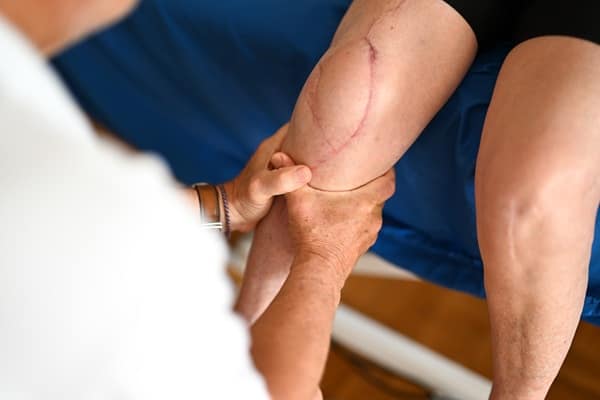
Preparing for surgery can leave you unsure about the best steps to protect your long-term recovery. You might feel confident that the procedure will help, but still be looking for anything else that will support your strength and mobility as you heal and recover.
Pre and post-surgical physiotherapy programmes offer targeted guidance that helps your body cope before surgery and recover with fewer setbacks afterwards. Stay with us until the end to understand how these programmes can lead to better long-term outcomes.
Why pre-surgical physiotherapy matters
Pre-surgical physiotherapy gives you a stronger starting point before you step into the operating theatre. You build mobility, improve joint movement, and strengthen weak areas so your body handles the procedure with less strain. Many people find that this preparation reduces stiffness afterwards because their muscles and joints are already functioning better before the operation.
You also learn safe movement patterns that help you protect your healing tissues once surgery is complete. This education can boost your confidence because you’ll learn how to move without causing more pain.
During this phase, many patients compare options for their physiotherapy treatment, especially when they need structured exercises that prepare the body for post-operative demands. If you plan on having the surgery in the capital, you’ll want to work with trusted London physiotherapists that understand the daily needs of patients living in this demanding, fast-paced city.
A stronger pre-surgery foundation can reduce post-operative complications since early stiffness and weakness are some of the most common barriers to recovery.
The value of post-surgical physiotherapy support
After surgery, your body needs careful professional guidance to rebuild strength and return to normal activity. Post-surgical physiotherapy targets pain, swelling, and mobility restrictions that develop in the early healing period. You learn how to perform movements that keep you progressing without compromising the surgical area.
This level of support helps you avoid common issues such as reduced joint movement or muscle loss, which are major contributors to prolonged recovery.
You’re also shown how to break unhelpful habits that may place stress on healing tissues. This is especially helpful for people recovering from knee, hip, shoulder, spine, or ankle surgeries, which often require structured movement plans.
Trusted physiotherapists who specialise in musculoskeletal and post-operative rehabilitation keep your programme adaptable. As your pain eases, your exercises change so your muscles continue to strengthen rather than plateau.
How these programmes improve surgical outcomes
A well-designed physiotherapy plan supports your body at key phases of recovery. You improve circulation, maintain flexibility, and reduce the chance of scar tissue restricting movement. Each of these factors influences how quickly you regain confidence in your daily routine.
Patients who follow structured pre and post-operative rehabilitation often return to normal activity sooner compared to those who don’t receive guided support. Better joint function and reduced swelling are consistently noted outcomes of these programmes, and this gives you a clearer path back to your usual routine.
Strength progression also plays a major part in your long-term recovery. When your muscles stay active through guided exercises, you protect the surgical area by improving stability and reducing strain. This balance between control and progression makes recovery smoother and more predictable.
In closing
Committing to pre and post-surgical physiotherapy gives you a structured way to protect your recovery. You’re less likely to experience delays because your body stays active with guidance rather than struggling through guesswork.
These programmes also support your mental and emotional recovery since you know you’re making decisions that actively benefit your future health. If you want a safer and more reliable recovery, structured physiotherapy is one of the most effective tools available.


Leave a Comment