
Households are increasingly making selective spending cuts, swapping branded groceries for cheaper alternatives while protecting entertainment subscriptions, annual breaks and everyday treats, new research suggests.
British households are becoming more selective about where they save money, cutting back on takeaway meals, restaurant visits and branded groceries while refusing to give up streaming subscriptions, holidays and small everyday indulgences.
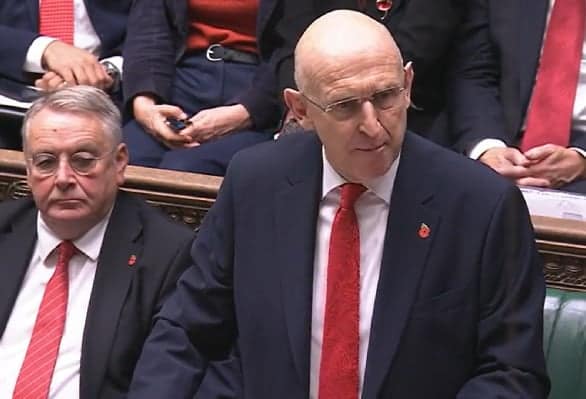
The findings highlight how consumers are adapting to persistent pressure on household budgets, even as the government announced plans in the Autumn Budget to suspend tariffs on more than 100 food products. The measure, unveiled by John Healey, is estimated by the government to reduce consumer costs by between £120mn and £185mn a year.
But new research from credit card specialists Zable suggests shoppers are already making their own adjustments, prioritising the expenses they consider essential to their quality of life rather than imposing across-the-board cuts.
The study, based on a survey of 2,000 UK adults and internal cardholder transaction data covering 2024 and 2025, found that 16 per cent of consumers had switched from branded food or household products to cheaper own-label alternatives.
Takeaways were the most common casualty of household belt-tightening, with 28 per cent of respondents saying they were spending less on delivery apps or had stopped using them altogether. Restaurant meals followed at 24 per cent, while 22 per cent had reduced spending on takeaway coffee.
Yet the research also reveals a striking contradiction: some of the same expenses consumers are cutting remain among their most fiercely protected spending priorities.
Home entertainment was the category people were least willing to sacrifice, with 26 per cent identifying television and streaming subscriptions as an expense they would refuse to cut. Actual spending data appears to reinforce that preference. The proportion of Zable cardholders paying for television subscriptions rose 21 per cent between 2024 and 2025, while Disney Plus subscriptions increased by 60 per cent.
Holidays and short breaks ranked second among protected expenses, cited by 23 per cent of respondents. Chocolate and eating out each attracted 20 per cent, while 15 per cent said they would preserve their takeaway coffee habit.
The pattern suggests households are increasingly prepared to economise on routine purchases to preserve experiences and comforts they regard as important. Live entertainment is less protected: 19 per cent said they had reduced spending on cinema, theatre or concert tickets, potentially redirecting money towards home streaming.
Age also appears to influence where the cuts fall. People aged 45 and over were particularly likely to report reducing takeaway and restaurant spending, although the study said choices varied considerably by age, gender and location.
James Goforth, product manager at Zable, said consumers were becoming more deliberate about the trade-offs they made.
“Our research shows that instead of cutting back on everything all at once, consumers are taking a much more personal approach to their money. People are making conscious choices to trim back on expenses that no longer feel worth the price tag, while fiercely protecting the small daily treats and routines that bring joy or make life easier.
“What is most interesting is how our definition of essential spending has shifted, and more importantly, how this changes so much dependent on age, gender and location. While casual takeaways and ticketed nights out are being reassessed, home streaming and everyday treats have become genuine budget priorities. People are finding practical ways to adapt, using subscription passes and lower-cost options to protect their quality of life without overspending.”
The research also points to growing pressure from household bills that are harder to avoid. Zable’s figures show annual broadband spending rising from £36 in 2021 to £104 in 2025, with its projections suggesting the figure could reach £180 by 2030 — a 400 per cent increase over the decade.
Meanwhile, spending on chocolate is forecast to reach £139 a year by 2030, while restaurant and café meals could climb to £851 and sports memberships to £382 annually.
The projections underline the tension facing households: even as consumers become more disciplined about discretionary spending, the cost of maintaining everyday services and familiar routines continues to rise.
For retailers, the message is that price remains important, but it is not the only factor shaping purchasing decisions. Shoppers are willing to trade down where they see little difference in value, while continuing to pay for the comforts and experiences they believe make a meaningful difference to their lives.


Leave a Comment