
The US president has suspended key provisions of a law designed to punish Moscow and pressure buyers of Russian energy, intensifying fears in Kyiv and European capitals that Washington is shifting towards the Kremlin as the war continues.
Donald Trump has moved to waive sweeping Russia-related sanctions and tariffs just days before they were due to take effect, delivering a fresh setback to efforts to squeeze Vladimir Putin’s war economy and provoking accusations that the White House is yielding to Moscow.
In an executive order issued on Friday, Trump said he had certified to Congress that granting the waiver was “in the national interests of the United States”. The exemption will remain in place until he or senior administration officials decide further action is appropriate.
The decision delays provisions of the Lindsey O. Graham Sanctioning Russia and Iran Act of 2026, which Trump signed into law in September. The legislation was designed to impose tariffs of up to 100 per cent on goods imported from countries meeting specified criteria linked to purchases of Russian oil and gas or assistance in evading sanctions.
Read more related news:
Streeting warns Britain faces unprecedented risk of war with Russia
Ellwood warns UK cannot rely on Trump and sees a pre-war world taking shape
NATO chief warns Russia we are ‘ready to fight tonight’ as ex-general raises conscription alarm
Britain prepares troops for Ukraine deployment as Trump deepens rift with NATO allies
The measures threatened to expose major trading partners, including India, to punitive US duties if they continued buying Russian energy under the conditions set out in the law. Beijing has also objected to what it describes as the extraterritorial application of US restrictions, while India warned that new tariffs could damage bilateral relations.
The law gives the president authority to waive sanctions by notifying Congress that they are not in the national interest. Trump’s decision to use that provision has therefore opened a sharp divide between the administration’s stated pursuit of peace and lawmakers’ efforts to increase economic pressure on the Kremlin.
Democratic Representative Don Beyer accused the president of capitulating to Putin.
“Trump’s latest surrender to Putin again betrays our Ukrainian partners and defies clear congressional intent of legislation designed to punish Russia for its illegal war of aggression,” he said.
The waiver comes amid a broader deterioration in relations between Washington and Kyiv, with Trump increasingly criticising Ukrainian President Volodymyr Zelensky while declining to assign direct responsibility to Putin for launching Russia’s full-scale invasion in February 2022.
Asked whether the Russian leader had started the war, Trump declined to answer directly.
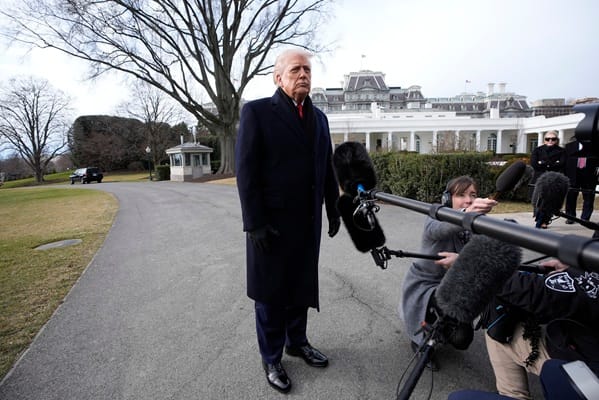
“I know the details, OK, and at some point I’ll release the details,” he said as he left the White House for a campaign rally in Georgia. “But I don’t care anything except for one. I want that war ended.”
Trump also described Zelensky as “not a big fan” and claimed the Ukrainian president was “more difficult to deal with than Putin”. He has previously suggested Ukraine needs new leadership and argued that Moscow is more willing to reach a settlement.
Those remarks have sharpened concerns among European allies that Washington could seek an agreement on terms that leave Ukraine exposed to renewed Russian aggression. Britain and most other Nato members continue to hold the Kremlin responsible for the invasion.
Energy policy has become another flashpoint. Trump has blamed Ukrainian attacks on Russian oil refineries for pushing up global fuel prices, arguing that Kyiv’s operations are damaging consumers ahead of crucial US elections next month. But the war involving the US, Israel and Iran has also disrupted Middle Eastern energy supplies, including flows through the Strait of Hormuz.
Trump has separately struck a deal to buy Russian diesel, prompting criticism that purchases of Russian fuel could provide Moscow with additional revenue while its military campaign continues.
Zelensky has challenged that argument, saying the diesel arrangement would not compensate for the disruption caused by the Strait of Hormuz and would instead send more money to the Kremlin.
“This diesel deal will never be enough to offset the impact of the Strait of Hormuz on global markets,” he said. “But it will put more money straight into Putin’s pocket to fund this war.”
The dispute extends beyond sanctions and oil. Zelensky accused Washington during a visit to London earlier in the week of betraying Ukraine by restricting its access to US-made Starlink satellite terminals, which are important to Ukrainian military communications. Trump rejected the allegation, saying: “We didn’t do that. We didn’t slow it down at all.”
The sanctions waiver adds another layer of uncertainty to a relationship already strained by disagreements over military support, energy infrastructure and the terms of a possible ceasefire.
For Ukraine’s European partners, the concern is that economic pressure on Russia could weaken just as Washington pushes Kyiv to curb its attacks on Russian energy facilities. For the Kremlin, relief from threatened tariffs on major trading partners could reduce one source of pressure on its export revenues.
Trump has presented his overriding objective as ending the war. But the latest decision raises a difficult question for allies who want a durable settlement: whether easing pressure on Moscow will encourage compromise — or give Putin greater room to continue the fight.


Leave a Comment