
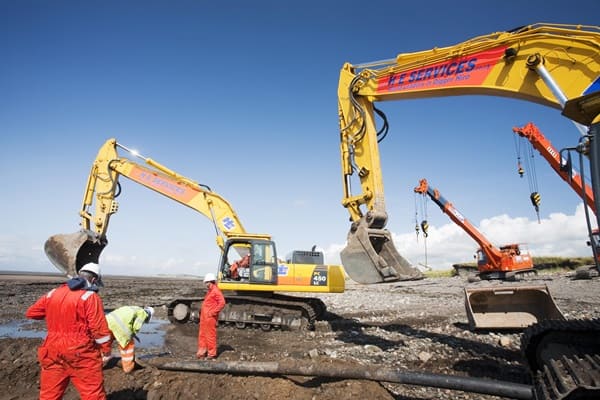
When the digger goes down, who pays the bill?
A mini digger sits idle on a construction site after an overnight theft. The hire company calls the next morning. The contractor stares at the hire agreement, wondering what happens next. The financial responsibility, in most cases, lands squarely on the contractor.
Hired in plant insurance is not the most thrilling subject in construction. But for UK firms running hired plant regularly, the right cover changes everything. Townsend McCormack is a London-based broker with over 35 years of market experience. The team helps construction businesses get solid hired in plant insurance before a costly incident strikes.
The real risk of hired equipment on site
Most contractors sign hire agreements without reading the fine print. Hire agreements carry a specific clause. The clause transfers the full financial burden for damage, loss, or theft directly to the hirer. Not the leasing company. The hirer.
Cherry pickers, heavy excavators, scissor lifts, and mini diggers are all high-value plant equipment. A single piece of plant machinery runs into six figures to replace. On most construction sites, multiple pieces of hired plant run at any one time. The financial exposure adds up quickly.
UK plant theft losses sit at around £100 million per year, with thefts rising sharply since 2020. A construction firm without plant cover is one bad night away from a serious financial problem.
What hired in plant insurance actually covers
A comprehensive plant insurance policy covers far more than accidental damage alone. Good hired in plant cover includes theft of plant equipment, fire and flood damage, and loss while plant and machinery is in transit.
A well-structured plant insurance policy may include:
- Accidental damage to hired plant machinery on site and in transit
- Theft, including high-risk items like mini diggers and telehandlers
- Fire and flood damage to hired in plant and machinery
- Continuing hire charges while accidentally damaged equipment is being repaired
- Public liability insurance for injury or property damage to third parties
- Employers liability insurance, a legal requirement for any UK business with staff
Public liability cover and employers liability insurance are legal requirements on most construction sites. A specialist broker works to structure the right policies together based on each business’s specific risk profile.
Why plant cover gets overlooked and why it shouldn’t
Contractors assume the leasing company carries the risk. Hire agreements say otherwise.
Continuing hire charges are a hidden cost many construction firms fail to account for. If hired machinery gets accidentally damaged and goes in for repair, payment may still be due under the hire agreement throughout the repair period. Without plant cover, a business absorbs repair costs and continuing hire charges at the same time.
Legal fees follow if a third party gets injured by hired in plant machinery on site. Public liability insurance steps in to cover legal costs and compensation claims. Professional indemnity insurance adds a further layer of protection for firms providing specialist services alongside construction work.
Financial losses from a single uninsured incident can be severe. Business continuity depends on having cover in place before anything happens, not after.
How plant insurance cost is worked out
Plant insurance cost is not fixed. Several factors shape the premium. The total value of the plant and machinery, the type of equipment hired, the site location, and the firm’s claims history all influence the price.
An annual policy works well for firms with ongoing hire requirements. Short-term plant cover suits individual projects or seasonal contracts. A specialist broker with direct market access can often secure better prices than going directly to insurers without established relationships.
Townsend McCormack has access to Lloyd’s of London and the wider London insurance market. The team draws on insurer relationships built over more than 35 years to seek competitive prices with strong plant cover in place.
The right protection stack for construction firms
Hired in plant insurance fits within a broader protection picture for construction firms. Materials insurance, public liability cover, employers’ liability insurance, and professional indemnity insurance all sit as separate policies alongside hired in plant cover, adding further layers of protection for a construction business on site.
A specialist broker reviews existing insurance policies and works to address gaps before a claim arises. Townsend McCormack’s in-house claims team handles every claim directly, working to keep communication clear and support clients through the process when incidents occur on site.
For construction firms using hired plant regularly, the right cover works to protect against serious financial losses. Townsend McCormack makes getting hired in plant insurance straightforward, backed by genuine London market expertise.
Frequently Asked Questions
What does plant insurance cover typically include?
A solid plant insurance cover policy protects hired machinery against theft, accidental damage, fire, flood, and may include continuing hire charges while repairs are underway.
Is plant hire insurance separate from my existing public liability policy?
Plant hire insurance is a standalone policy, and most insurance providers offer it separately since public liability alone does not cover physical loss or damage to hired plant.
How does hired plant insurance work when equipment is damaged on site?
Hired plant insurance works to cover repair or replacement costs and may include continuing hire charges for plant whilst it remains off-hire during the repair period.
Do I need specialist insurance providers for plant hire cover?
A specialist broker with direct market access, like Townsend McCormack, works to secure strong terms for plant hire cover through established insurer relationships.
Am I liable for plant whilst it is in transit between sites?
Under most hire agreements, financial responsibility for plant whilst in transit rests with the hirer, making hired plant insurance cover for transit damage worth serious consideration.




Leave a Comment