
Britons have been urged to prepare their households for a potential emergency by keeping cash, drinking water and non-perishable food at home, as ministers warn that the UK faces a more uncertain security environment and a heightened risk of conflict with Russia.
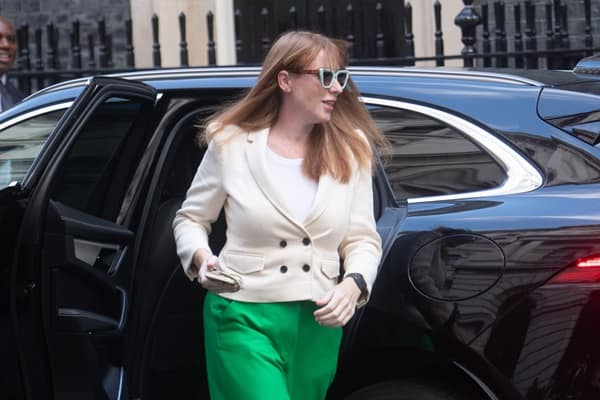
But Angela Rayner, the Labour housing secretary, offered a distinctly less austere interpretation of emergency preparedness when asked what she would put in her own “disaster box”.
Speaking live from the Labour party conference in Liverpool on Sunday, Rayner told Times Radio that her emergency supplies would include cosmetics, wine and comfort food.
“Mascara, concealer, I don’t know, a bottle of Sauvignon Blanc, a tin of baked beans because you’ve got to have some baked beans and I like a good tin of custard as well,” she said.
“So, I think that’ll keep me going for a while.”
Read more related news:
Defence Secretary tells Brits to prepare for ‘war’ and buy water and food
British bosses given secret Whitehall briefings on Russian attacks
Europe warns Russia’s ‘hybrid war’ is becoming a direct attack on NATO
Streeting warns Britain faces unprecedented risk of war with Russia
The answer came as ministers attempt to persuade households to prepare for disruptions that could range from severe weather and infrastructure failures to cyber attacks and military conflict.
Defence Secretary Wes Streeting has warned that Britain faces a “greater risk of war” with Russia than at any point during his lifetime, arguing that national security can no longer be treated solely as a matter for the armed forces.
Streeting has called for a “whole society approach” to national resilience, encouraging households to prepare for emergencies by keeping supplies that could prove essential during power cuts, cyber attacks, disruption to financial services or other crises.
Among the items recommended are physical cash, bottled drinking water and non-perishable tinned food — measures designed to provide households with a degree of independence if electricity, communications or digital payment systems are disrupted.
Streeting has sought to strike a balance between preparedness and panic, insisting that the public should be “alert, not alarmed”.
The government has also promised to increase defence spending, with Labour presenting the expansion as part of a broader effort to strengthen Britain’s military capabilities after decades of comparatively lower post-Cold War spending.
Rayner defended Streeting’s warnings and the government’s approach to household resilience.
“The government has always had this information available and Wes is just being very practical and sensible, which has been a long-standing principle for any government,” she said.
The comments come as security tensions across Europe continue to place pressure on NATO members to strengthen their air defences and prepare for the possibility of spillover from Russia’s war against Ukraine.
Nato air defences were activated for the third time in two days amid heightened concern over Russian military activity in eastern Europe.
Russia launched extensive drone attacks against eastern Ukraine on Thursday morning, prompting Poland to activate its ground-based air defence systems.
Poland said strikes in Ukraine 24 hours earlier had also required the activation of its air defences, while its air force scrambled fighter aircraft after a Russian helicopter was reported to have “breached” Polish airspace on Wednesday morning.
The incidents illustrate the increasingly complex security environment confronting NATO’s eastern members, where the distinction between the war in Ukraine and the wider security of European airspace has become increasingly difficult to ignore.
For Britain, the immediate economic consequences of such instability extend beyond defence budgets. A prolonged deterioration in European security could increase pressure on government finances, infrastructure spending and household preparedness while exposing businesses to greater risks from cyber attacks, energy disruption and interruptions to critical supply chains.
The government’s message is therefore increasingly aimed not simply at military readiness but at economic resilience — ensuring households and businesses can continue functioning when essential systems come under strain.
Rayner’s proposed emergency kit may not resemble the conventional checklist of cash, bottled water and canned food.
But her light-hearted answer comes against a backdrop in which ministers are increasingly asking Britons to consider what they would need if the systems they normally rely on were suddenly unavailable.


Leave a Comment