

When a project is still in the planning stage, most problems come from one thing: people don’t see the same picture. Drawings and technical plans make sense to architects, but not always to clients, investors, or city officials. That’s where 3D site plan rendering changes everything. It turns a complex development into something anyone can understand in seconds.
Visualisation studios see this every time. Once a client looks at a site plan created with modern site plan rendering software, questions become clearer and decisions move faster. Instead of guessing how everything fits together, people can actually see it.
What 3D site plan rendering really shows
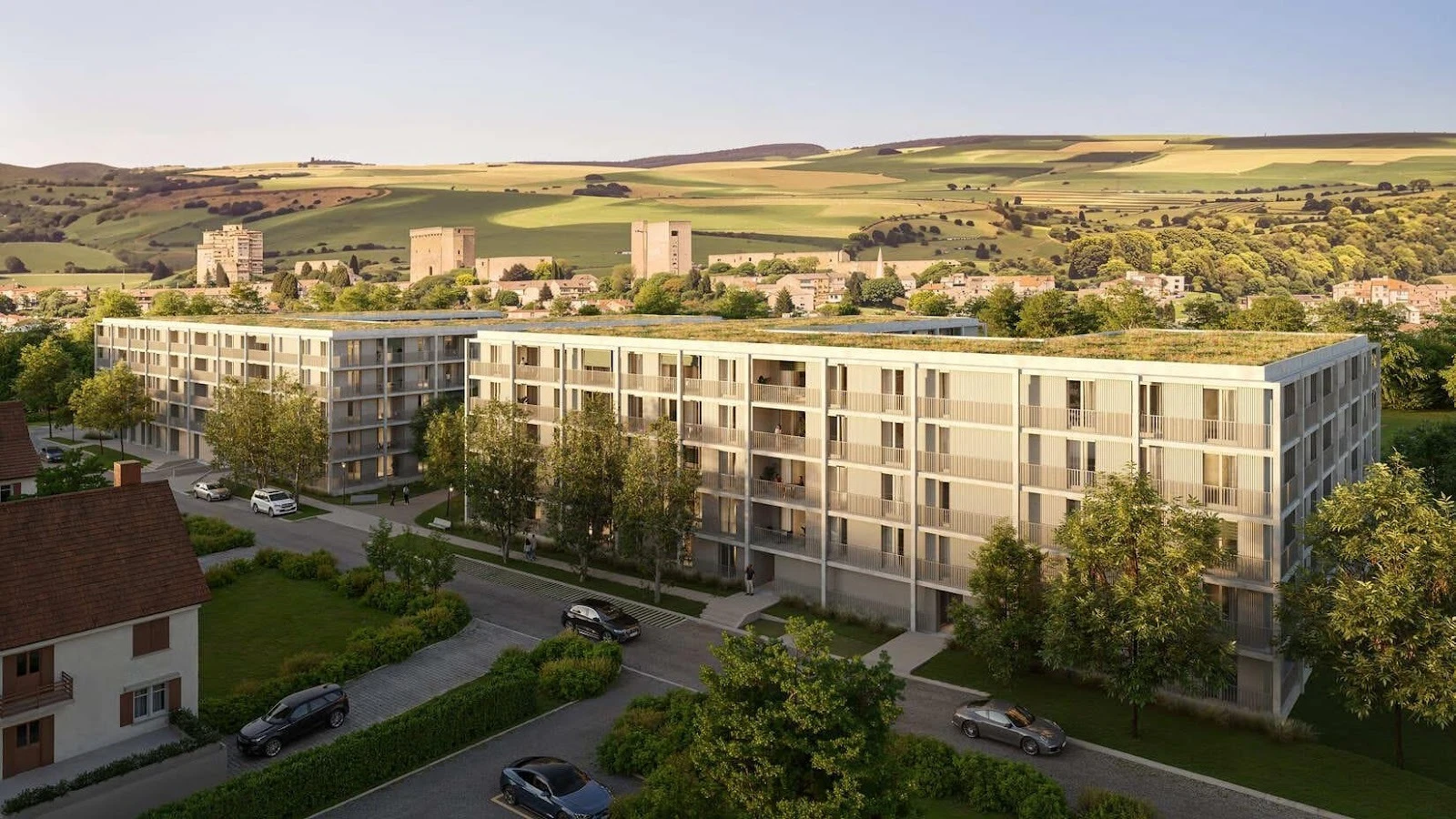
A 3D site plan is about the big picture. It shows the entire development in one view and explains how all parts work together. Buildings, roads, parking, green areas, and infrastructure are no longer separate ideas. They become one readable layout.
This kind of visualisation answers practical questions right away. Where do people enter the site? How does traffic move through it? How much space is really dedicated to landscaping? You don’t need long explanations, because the image already does the work.
For larger projects, this clarity is critical. Mixed-use developments, residential complexes, or commercial sites quickly become confusing on paper. A 3D site plan keeps everyone aligned from the start.

https://freedesstudio.com/site-plan-rendering/
Why developers and architects rely on site plans
Clients come to visualisation studios because they want confidence. They want to be sure the project makes sense before it moves forward. A 3D site plan helps test ideas early, when changes are still easy and affordable.
Using site plan rendering software, visualisation studios can adjust layouts, spacing, and circulation without rebuilding everything from scratch. This allows teams to compare options and see what actually works. It also helps avoid late-stage surprises that slow projects down.
Architects use site plans to explain design logic. Developers use them to communicate value. City planners use them to understand impact. Everyone benefits from seeing the same clear image instead of interpreting drawings differently.
What makes a good 3D site plan
A strong site plan is not overloaded with details. Its job is to explain, not to impress. Visualisation studios focus on clarity first and realism second, because understanding always comes before aesthetics.
A well-built 3D site plan usually includes:
- Clear building volumes and spacing
- Roads, access points, and parking layout
- Landscape elements like trees and paths
- Infrastructure and service zones
- Surrounding context for scale and orientation
https://freedesstudio.com/site-plan-rendering/
Site plan rendering for marketing and sales
Beyond design and planning, 3D site plans are powerful marketing tools. One image can explain an entire development on a website, in a brochure, or during a sales presentation. That’s why many clients ask rendering studios to create site plans specifically for marketing use.
In public presentations or approval meetings, instead of abstract debates, the conversation stays focused on what is actually proposed. This saves time and helps move projects forward.
Site plan rendering as a starting point
A good 3D site plan often becomes the foundation of the entire visualisation package. It sets the logic for exterior renderings, animations, and even VR walkthroughs. When the site works visually, everything else falls into place more naturally.
If you’re planning a development, a 3D site plan is one of the smartest investments you can make. It doesn’t just show a project. It helps everyone see the same future.



Leave a Comment