
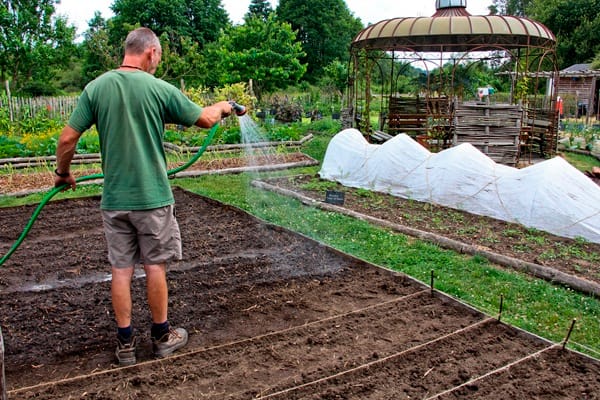
Wessex Water has imposed the first hosepipe ban in its history, extending Britain’s escalating water restrictions to another 1.4 million households as drought conditions continue to tighten their grip.
The temporary use ban will begin at midnight on Tuesday across parts of Bath, Somerset, Dorset and Wiltshire, with the company warning that prolonged heat and exceptional demand are placing mounting pressure on its network.
The move means more than 27 million people across England are now living under hosepipe restrictions.
Ruth Jefferson, Wessex Water’s chief executive, said the decision had not been taken lightly, marking the first restriction imposed by the company since the notorious drought of 1976.
Demand across its network has remained above 400 million litres a day — around 30 per cent higher than normal for this point in the year.
Jefferson said the company was not running out of water for essential use but was struggling to move supplies through its network quickly enough to cope with demand.
The restrictions arrive after Britain endured its fifth heatwave of the summer, with temperatures reaching 38.1C at Kew Gardens last week.
Weeks of extreme heat and exceptionally low rainfall have left farmland and countryside parched, while wildfires have placed additional pressure on emergency services.
Wessex Water is urging households to stop washing cars, keep showers short, use watering cans and allow lawns to turn brown. Larger commercial users are also being contacted and asked to cut non-essential consumption.
The timing offers little immediate comfort. Although cooler and more unsettled weather is expected later this week, the Met Office has warned that rainfall will remain uncertain.
Tom Morgan, a Met Office meteorologist, said the south was entering its most changeable period since June, with low pressure expected to bring increasingly widespread showers.
But after months of depleted rainfall and record demand, even a brief spell of rain may offer only limited relief.
For water companies, the unprecedented restrictions are becoming a stark measure of how quickly Britain’s infrastructure can come under strain when extreme weather collides with surging household consumption.


Leave a Comment