
Donald Trump is weighing a dramatic escalation of the war with Iran, with US military planners ordered to prepare strike options involving the 21,600-pound “mother of all bombs” as the administration searches for a way to claim victory and withdraw.
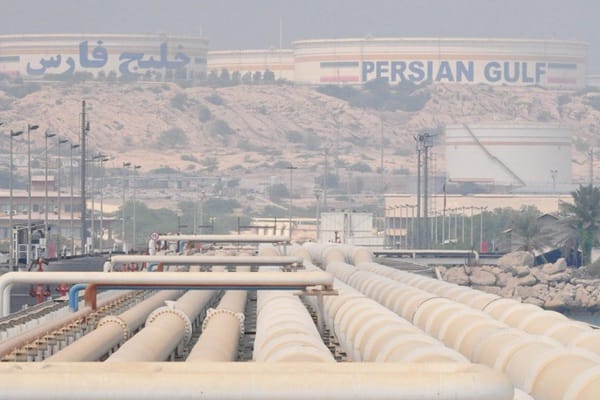
According to CNN, citing sources familiar with the discussions, the proposed targets could include Iranian energy infrastructure and nuclear facilities, including Pickaxe Mountain, a suspected nuclear site that Washington and Israel believe Tehran has concealed beneath layers of granite.
The plan would represent a striking gamble: unleash one of the most powerful conventional weapons in the US arsenal, attempt to present the resulting destruction as a decisive victory, and pull American forces back before the conflict deepens further.
Trump has directed the military to develop a strike plan, including the possible use of the GBU-43/B Massive Ordnance Air Blast bomb, to be executed before a US withdrawal from the Central Command area of responsibility, CNN reported.
Several advisers have privately discussed striking before November’s US midterm elections, according to the report. But on October 8, Trump said the US would not attack Iran before November 3, the election date — leaving the timing of any potential operation uncertain.
The military logic is less straightforward than the weapon’s fearsome reputation suggests.
The GPS-guided MOAB is designed to detonate above ground, unleashing an enormous blast across a wide area. Weighing more than 9.7 tonnes and measuring over nine metres in length, it can devastate surface targets across an area described as equivalent to nine city blocks.
But that destructive power may be of limited use against a heavily fortified underground nuclear facility. The bomb was not designed to burrow deep through rock, raising serious questions about whether it could destroy installations concealed beneath Pickaxe Mountain.
“The MOAB is a massive information operation type weapon that is great for huge area clearance but not much else,” one CNN source said.
That assessment points to the central dilemma confronting the White House: a weapon capable of producing spectacular destruction may be far less effective at achieving the strategic objective Trump needs.
US officials have reportedly warned that deploying the bomb would be unlikely, on its own, to force Iran’s capitulation or secure a decisive military victory. Its value could instead be psychological—demonstrating American firepower and trying to pressure Tehran to reconsider its resistance to US diplomatic demands.
The administration is also examining other scenarios, including a major ground operation involving US troops, although CNN reported that no one inside the administration was currently advocating such a drastic step.
Instead, planners have spent weeks exploring an off-ramp that would give Trump a symbolic win to present to American voters.
The MOAB was developed during the Iraq war and tested in 2003, when it was conceived in part as a weapon for psychological operations. Trump became the first US president to authorise its use in combat, ordering a strike against Islamic State positions in Afghanistan in 2017.
Its possible deployment against Iran would carry a different political and military weight, raising the stakes in an already dangerous confrontation.
For Trump, the attraction is clear: the prospect of a dramatic show of force without committing to a prolonged ground war. The risk is that Tehran survives the bombardment, refuses to concede and leaves Washington with little choice but to escalate again.
The mother of all bombs could deliver an extraordinary spectacle. Whether it could deliver an exit from the war is a far more uncertain question.


Leave a Comment