
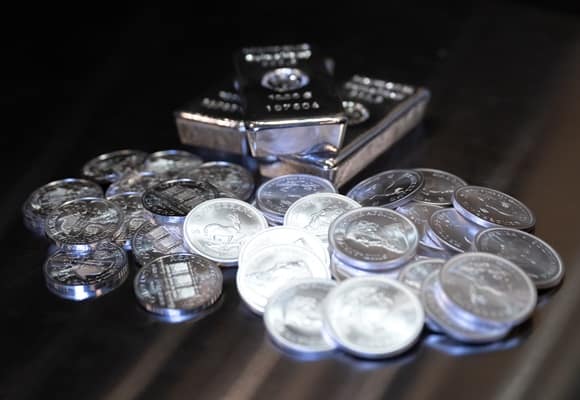
Silver ended the October 13 session at around USD 59.12 per ounce, down approximately 1.88%, following a 0.95% decline in the previous session.
Over the two sessions, prices fell about 2.8%, erasing most of the gains recorded on October 9. This suggests that selling pressure remains dominant as investors await the U.S. CPI report to assess the interest rate outlook.
Although the U.S. dollar and U.S. Treasury yields have shown signs of easing, they have yet to provide sufficient support for silver.
DXY is trading around 101.80 this morning, after falling approximately 0.35% in the previous session, while the U.S. 10-year Treasury yield has also retreated to 5.189%. However, silver’s continued decline against this backdrop suggests that buyers remain cautious, while elevated yields continue to increase the opportunity cost of holding precious metals.
The decisive factor in today’s U.S. CPI report is whether price pressures are spreading beyond food and energy. Headline CPI is forecast to rise 0.6% month on month, but if core CPI increases by just 0.2%, as expected, the Fed will have more grounds to keep interest rates unchanged in October and wait to assess further data.
However, a potential pause does not mean that pressure on silver will be relieved, as markets still see a strong likelihood of another interest rate hike in December.
Meanwhile, silver’s supply and demand balance presents a mix of supportive and limiting factors. The Silver Institute forecasts a market deficit of 46.3 million ounces in 2026, but industrial demand is also projected to decline by 3%, primarily as the solar industry reduces its silver usage and substitutes alternative materials.
In my view, this suggests that the supply-demand deficit continues to support the longer-term outlook, while the impetus from industrial consumption remains less favourable.
Silver holdings in London vaults rose by 1.95% to 28,985 tonnes at the end of September, another factor worth monitoring, although this is insufficient to conclude that market tightness has eased. Therefore, I do not yet see the supply-demand deficit as a sufficiently strong basis for a sustained recovery while interest rate pressures remain.
In the short term, silver generally remains sensitive to shifts in market expectations for interest rates following the CPI release. If core inflation exceeds forecasts, the dollar and yields could rebound, putting additional pressure on prices. Conversely, a lower-than-expected reading could pave the way for a rebound. Whether that rebound can be sustained will depend on whether expectations for further tightening actually ease and buying interest strengthens.


Leave a Comment