
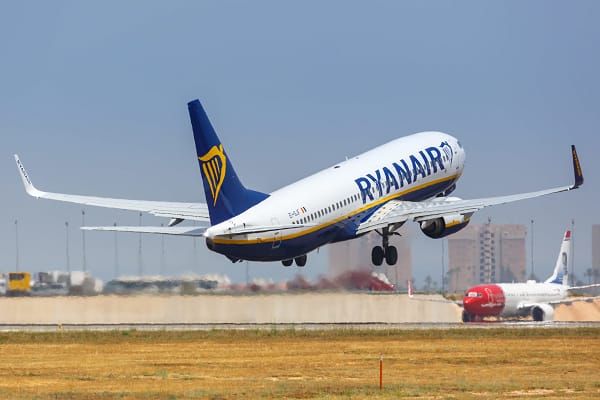
Ryanair has warned that persistently high oil prices could force some European airlines to cut capacity or even leave the market, while pushing short-haul airfares materially higher into 2027.
The Irish low-cost carrier said it expected ticket prices on short-haul routes across Europe to increase “materially” if elevated oil costs persisted into next year, as less well-hedged competitors face mounting pressure on their fuel bills.
The warning comes after a renewed increase in crude prices linked to an intensification of conflict in the Middle East, adding to cost pressures across the aviation industry.
The average price of jet fuel has risen 8.2 per cent month-on-month to about $156 a barrel and is 74.2 per cent higher than a year ago, according to the International Air Transport Association.
Ryanair said it remained relatively well insulated from the increase, with about 80 per cent of its 2027 jet fuel requirements hedged at $67 a barrel. That position leaves the group well placed to deliver another profitable year, it said.
But the airline said the cost of unhedged fuel made it “sensible” to reduce its exposure during the loss-making winter season, which runs from November to March.
It has consequently cut its passenger target for 2027 from 216mn to 214mn, limiting the amount of expensive unhedged fuel it will need to consume.
Ryanair expects winter traffic to be “broadly flat” compared with the previous year as a result.
The airline said: “If high oil prices continue through to 2027, Ryanair believes short-haul airfares in Europe will increase materially to reflect higher oil prices, as some less well-hedged competitors will struggle to maintain capacity or even survive this coming winter season.”
The comments underline the uneven impact of the oil shock across Europe’s highly competitive airline sector. Carriers with limited fuel hedging could face a squeeze between rising operating costs and consumers’ sensitivity to higher fares, potentially prompting reductions in capacity during the traditionally weaker winter months.
Ryanair, by contrast, said it remained on course to increase its summer traffic by more than 5 per cent to 145mn passengers during the April-to-October period.
The airline’s warning comes as demand across European aviation remains strong, although capacity and fuel costs continue to determine the profitability of individual carriers.
Wizz Air, another major European low-cost competitor, reported that passenger numbers rose 25.9 per cent last month from a year earlier, driven by increased flight capacity.
The divergence between Ryanair’s cautious winter approach and Wizz Air’s rapid traffic expansion highlights the extent to which airlines are taking different approaches to an increasingly uncertain fuel-price environment.


Leave a Comment