
London is already a tourist hotspot, filled with grand buildings, lands belonging to royalty, famed points in history, and a plethora of entertainment venues. The sprawling metropolis invites all kinds of visitors with a myriad of interests, but one angle of appeal that continues to work for tourist businesses is the local myths angle.
Being such a historic and well-documented city, there are plenty of little tidbits that allude to the mysteries of London, while many provably false myths continue to circulate. So, why is it that these bits of London myth continue to be useful for London tourism businesses to spin?
An enduring interest in myths and tales
Regardless of the location or age in which they were written, myths continue to be of interest to us in the modern world. From papyrus to parchment to paper or in modern adaptations, a well-known tale can be a big selling point. You only have to look as far as the Huff and Puff slot to see the pulling power of our myths and tales.
After all, the tale is about pigs being prepared enough to build a house that the wolf can’t get in. The slot game leverages this with its unique frame mechanic that levels up spots and leads to the bonuses. With the wolf ever-present, the aim of the 243-ways slot is to build up before going into the features to aim for better rewards.
Just to show the power of the tale, the game didn’t even run “The Three Little Pigs” as its title, but everyone knows what it’s about. On the contrary, naming a modern product after a famed tale will be wildly successful. The Odyssey film from Christopher Nolan is extremely detached from Homer’s poems, but it earned $1.78 billion worldwide.
Grand myths tourists will discover in London

Photo by Charles Postiaux on Unsplash
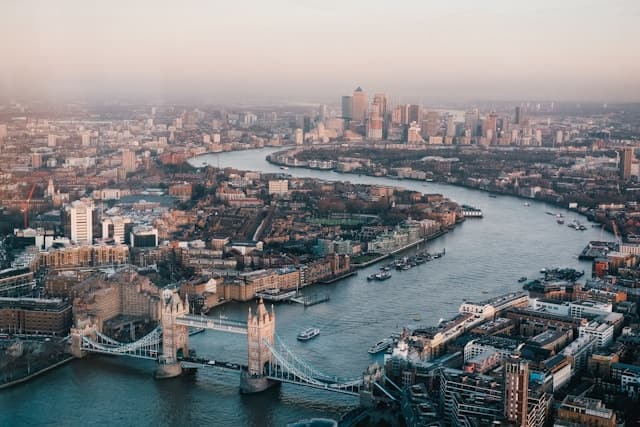
Whether it’s a walking tour, a plaque or picture in a pub, or an open-tour bus route, tourists will be fed plenty of our classic myths and tales that have sprung up over the centuries of London’s lifespan. One of the more modern ones is that an American businessman tried to buy Tower Bridge but ended up buying London Bridge mistakenly.
The businessman’s grandson has since dispelled this rumour, saying that the 1968 deal saw him knowingly buy the Victorian London Bridge to have its reconstructed exterior blocks put up in Arizona. Even so, you’ll often hear the story that the big-shot American came to London to buy a bridge and got the wrong one.

Image by Kev from Pixabay
You’ll also hear that the parakeets of West London date back to the shooting of The African Queen, with Katherine Hepburn, in 1951, or even because Jimi Hendrix released them in the 1960s. There’s also the long-lived Spring Heeled Jack myth, that tells of a terrorist, by our modern lexicon, who’d leap over buildings to flee crime scenes.
Throw in the idea that you’re never more than six feet away from the rat, that the Heart of London needs to be preserved for the city to survive, the ravens at the Tower of London, and everything to do with Jack the Ripper, and there are more than enough famous stories for businesses to spin for the tourists.
Myths, folklore, fantastical tales, and rumours have an enduring power to intrigue and titillate, managing to stick in the minds of everyone from locals to tourists. Catchy ones can continue to be used by tourist businesses to create an even more immersive offering.
Please play responsibly. For more information and advice visit https://www.begambleaware.org
Content is not intended for an audience under 18 years of age



Leave a Comment