
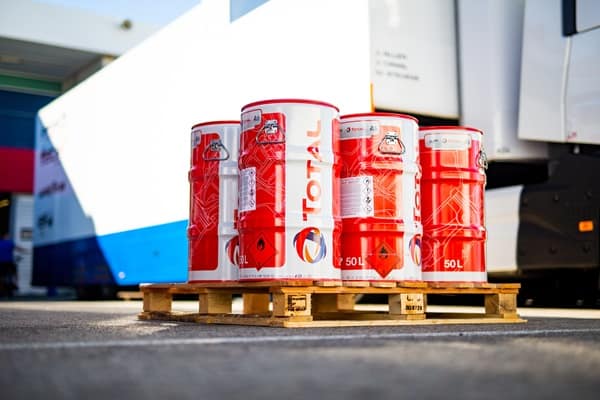
Fuel costs continue to place pressure on businesses across the United Kingdom. Prices change often, which makes it harder to plan budgets and control expenses. Many companies depend on fuel every day, whether for transport, equipment, or backup power. Even a small increase can affect profit margins. Careful fuel storage and management now play a central role in keeping operations steady.
When fuel prices climb and disrupt daily operations
Fuel prices rarely stay stable. Global supply issues, political events, and seasonal demand all influence the cost of fuel. For UK businesses, these changes can disrupt planning and create uncertainty.
Transport companies often feel the effects first. Delivery fleets, service vehicles, and logistics operations all rely on fuel to keep moving. When prices rise, operating costs increase as well. Manufacturing businesses face similar pressure, especially when heavy equipment depends on diesel or other fuels.
The effects extend beyond direct expenses. Higher fuel costs can lead to increased prices for goods and services. This can reduce demand or force businesses to absorb the cost. Either option affects overall performance and long-term growth.
Turning storage into a smart business advantage
Fuel storage may seem like a basic part of operations, but it offers clear advantages when costs rise. On-site fuel storage solutions allow businesses to purchase fuel in bulk when prices are lower. This approach reduces exposure to sudden price increases and improves cost control.
Bulk purchasing also adds stability. Businesses do not need to react to daily price changes when they have fuel in reserve stored in secure storage tanks. This creates more predictable operating costs.
On-site storage improves efficiency as well. Vehicles and equipment can be refuelled quickly using dedicated fuel containers without leaving the premises. This reduces downtime and keeps operations running smoothly.
Still, fuel storage requires proper planning. Without the right setup and procedures, poorly managed storage containers can create safety risks and unnecessary losses.
Choosing a storage system that matches your needs
Different businesses need different fuel storage solutions. The right system depends on fuel usage, available space, and operational demands.
Smaller businesses may rely on portable containers or compact storage containers. These are easier to install and move when needed. Larger operations often require fixed fuel storage tanks with higher capacity to support continuous use.
Material choice also matters. Metal containers offer strength and durability, making them suitable for industrial environments. Other storage tanks made from advanced materials provide resistance to corrosion and may suit different conditions.
Safety features are essential. Double-walled fuel storage tanks, leak detection systems, and secure access controls help prevent accidents and reduce the risk of oil leaks. A well-designed system protects both the business and the surrounding environment.
At this stage, it often helps to review practical guidance or case examples from established providers such as The Petrol Tank Company, especially when comparing system designs and assessing which setup aligns with specific storage needs and site conditions.
Keeping storage safe and fully compliant
Fuel storage in the UK must follow strict regulatory requirements. These rules exist to protect people, property, and the environment from risks linked to flammable liquids and other hazardous materials.
Tank placement is an important factor. Storage tanks should be positioned away from water sources and areas at risk of flooding. This reduces the chance of contamination in case of oil leaks or spills.
Regular inspections are necessary to ensure all fuel storage tanks remain in good condition. Damage, corrosion, or worn components can lead to serious safety issues if ignored.
Staff training also supports compliance. Employees should understand how to handle flammable liquids safely and how to respond in emergencies. Clear procedures help meet safety standards and reduce risk.
Businesses must also follow ISO regulations and local guidelines. Accurate record-keeping is part of this process. Logs should include fuel usage, inspections, and any incidents. These records support accountability and help maintain compliance.
Keeping track with smarter fuel monitoring
Fuel storage alone does not control costs. Businesses must also monitor how fuel is used across operations.
Fuel management systems provide useful data. These systems track fuel usage from storage tanks and highlight patterns in consumption. They can also detect unusual activity, such as possible fuel loss or theft.
Simple practices can improve control as well. Regular reviews of fuel logs, clear usage policies, and scheduled maintenance all support better management of fuel containers and equipment.
A delivery company offers a clear example. If certain vehicles use more fuel than others, the cause may be poor maintenance or inefficient driving habits. Addressing these issues can reduce costs over time and improve overall performance.
Reducing waste while improving efficiency
Fuel efficiency has a direct effect on costs. Small changes in daily operations can produce noticeable savings.
Driver behaviour plays a major role. Smooth acceleration, steady speeds, and careful braking reduce fuel consumption. Training programs help reinforce these habits across teams.
Vehicle maintenance is equally important. Engines that are well maintained use fuel more efficiently. Regular servicing prevents avoidable waste and ensures equipment performs at its best.
Route planning also supports efficiency. Shorter and less congested routes reduce fuel use and improve delivery times. This approach works well for businesses that rely on transport and logistics.
Idling reduction is another simple step. Engines that run without movement waste fuel. Limiting idle time across a fleet leads to measurable savings over time.
Fuel storage as a safety net during disruptions
Fuel storage supports more than cost control. It also helps maintain operations during disruptions.
Supply shortages, transport delays, or unexpected events can limit access to fuel. Businesses without reserves may face downtime. Those with well-managed fuel storage tanks can continue operating without interruption.
Backup power systems rely on stored fuel as well. Facilities that depend on constant power require reliable fuel storage solutions to keep operations running during outages.
Proper planning also ensures that storage needs are met during emergencies. Businesses that assess their storage needs carefully are better prepared for unexpected situations.
Balancing investment costs with long-term value
A fuel storage system requires an initial investment. Costs include equipment such as storage tanks, installation, and safety measures. However, this investment can provide long-term value.
Savings from bulk purchasing and improved efficiency can offset the initial expense. Businesses should review their fuel usage and estimate potential savings before making decisions.
Future growth should also be considered. Storage needs may increase as operations expand. Planning for this growth reduces the need for costly upgrades later.
Professional advice can help guide these decisions. Experienced suppliers understand safety standards and can recommend suitable fuel storage solutions that align with regulatory requirements.
Preparing for a future with changing energy needs
Fuel remains essential for many industries, but changes are underway. Some businesses are exploring alternatives such as electric vehicles and renewable energy sources.

ERIC LALMAND/Belga Press/Avalon
Even with these developments, traditional fuel will continue to play a role in many operations. Effective management of fuel storage tanks and fuel containers remains important.
A balanced approach often works best. Some businesses combine fuel storage solutions with energy-saving practices and gradual adoption of new technologies. This allows them to control costs while preparing for future changes.
Adaptability is key. Businesses that remain flexible can respond more effectively to shifts in fuel prices, environmental expectations, and evolving safety standards.
Conclusion
Rising fuel costs present ongoing challenges for UK businesses, but practical solutions are available. Fuel storage offers a way to manage expenses and improve operational efficiency. When supported by proper monitoring, strong safety standards, and compliance with regulatory requirements, it becomes a valuable part of business strategy. Consistent attention to fuel use and storage can lead to steady savings over time. Careful planning allows businesses to remain stable even as fuel prices continue to change.



Leave a Comment