
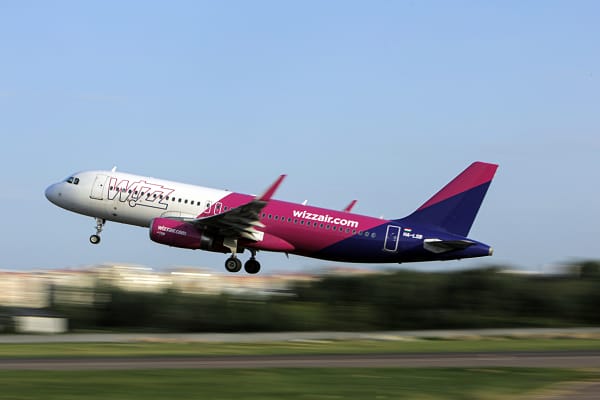
Wizz Air has fallen into loss after surging fuel prices linked to conflict in the Middle East offset strong passenger growth, underlining the mounting pressure facing Europe’s low-cost airline sector.
The Hungarian carrier reported an operating loss of €183 million (£157 million) for the three months to the end of June, compared with an operating profit of €27.5 million a year earlier, as higher oil prices sharply increased operating costs.
The deterioration was driven primarily by a 39 per cent rise in fuel expenses to €610.5 million (£523.8 million).
Wizz Air said market fuel prices were 87 per cent higher than a year earlier, although hedging and other cost-control measures helped partially offset the increase.
The results mirror a broader trend across the European aviation industry, with Ryanair, easyJet and British Airways owner IAG all reporting weaker earnings in recent weeks as airlines absorb the impact of higher energy costs and geopolitical disruption.
Wizz Air had previously estimated that the Iran war cost the airline around €50 million after it was forced to suspend flights to Tel Aviv and other destinations across the Middle East and Cyprus earlier this year.
Although many services have since resumed, the airline said it is reshaping its network by shifting aircraft away from longer-haul Middle Eastern routes towards shorter European services, where demand has proved more resilient and operating economics are more favourable.
Despite the loss, underlying demand for travel remained robust. Passenger numbers rose 25 per cent year-on-year to 21.2 million during the quarter, while revenue increased 5.5 per cent to €1.5 billion (£1.29 billion).
Chief executive József Váradi described the operating environment as “extremely volatile”, citing geopolitical tensions, elevated fuel prices and changing booking patterns.
He said the airline remained focused on strengthening its core European network while adapting capacity to changing market conditions.
The results highlight the delicate balance facing airlines as resilient demand for travel continues to support revenues, but persistent cost inflation and geopolitical uncertainty threaten profitability. While forward bookings remain encouraging, Wizz Air warned that the remainder of the year is likely to present both operational challenges and strategic opportunities for the sector.


Leave a Comment