
A man described by critics as “a danger to the whole of the UK” has become the focus of a growing political row over Britain’s ability to deport foreign nationals accused of involvement in terrorism, after human rights concerns reportedly blocked his return to Iraq.
Mohammed Yaseen, an Iraqi national who entered the UK by small boat last December, has been linked to al-Qaeda and Islamic State, according to court proceedings and German legal documents.
He was reportedly seen leaving a Co-op near Windsor Castle while living in a nearby bail hostel. He was subsequently returned to prison after allegedly breaching the conditions of his licence.
The case has exposed a difficult tension between public protection and the legal obligations that govern deportation when an individual could face torture, mistreatment or execution abroad.
Yaseen was among 80 people intercepted by Border Force as they crossed the Channel. He initially gave officials a false name and was accommodated in a taxpayer-funded hotel in Basingstoke. Reports say routine biometric checks later revealed his identity.
At his trial for illegally entering the country, prosecutor Steven Molloy told Winchester Crown Court that Yaseen had a “lengthy involvement in terrorism and Islamic extremist ideology”.
German court proceedings in 2020 reportedly heard allegations linking him to bomb attacks that killed US troops in Iraq. Other documents described him as having served as an Islamic State security guard during beheadings and mass executions, including killings in which children were among the victims. The allegations paint a disturbing picture, although the precise findings and legal status of each claim must be distinguished from accusations made in court.
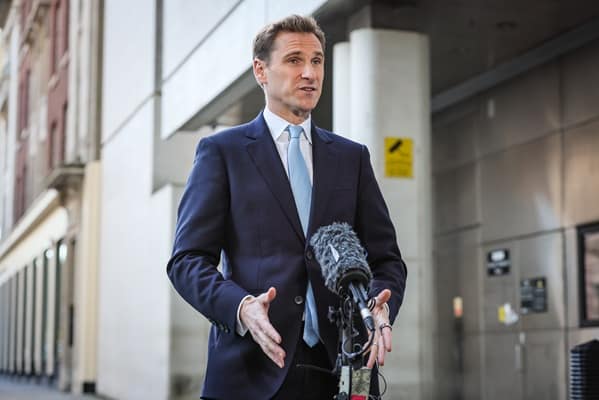
Shadow home secretary Chris Philp told the Express it was “absurd” that Yaseen had been allowed to remain in Britain, accusing Labour of failing to prioritise public safety.
“People in Windsor and across the country deserve the confidence that their security comes first,” he said, urging ministers to move swiftly towards deportation.
Reform UK’s home affairs spokesman, Zia Yusuf, was similarly uncompromising. “Foreign terrorists who clearly hate our way of life should not be entitled to our hospitality,” he said. “Mohammed Yaseen must be deported immediately.”
The central obstacle, however, is not simply political. Germany previously attempted to deport Yaseen to Iraq, but a judge ruled that there was a real risk he could be mistreated or even executed. The Foreign Office has reportedly raised similar concerns about his potential treatment if returned.
Those considerations place the case at the intersection of national security and human rights law. Governments can seek to remove foreign nationals who pose security risks, but deportation may be prohibited where there is a sufficiently serious risk of torture or other grave abuse.
Critics have also questioned the potential public cost of housing and supporting Yaseen, with estimates suggesting it could reach £85,000 a year. That figure has not been independently verified.
Yaseen’s case has become a test of how the government can manage an individual it regards as a security concern while complying with legal safeguards. For ministers, the challenge is stark: demonstrate that the public is protected without sending someone to face treatment prohibited under human rights obligations.
The political demand for deportation may be immediate. The legal route, however, is considerably more complicated.


Leave a Comment