
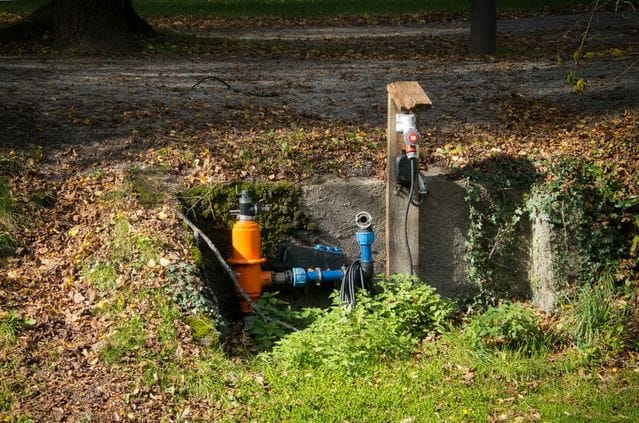
Owning a property with an underground waste treatment setup demands regular attention to keep wastewater moving safely. Ignoring what happens beneath the lawn leads to smelly backups and costly property damage.
Understanding how waste breaks down helps owners spot potential trouble before complete failure happens. Small changes in daily habits protect drain fields and prolong system lifespan. A well-maintained setup provides reliable service without unwanted surprises.
Understanding proper system inspection schedules
System owners must keep track of routine evaluation schedules to catch minor issues early. Booking professional septic system services gives property owners clear insight into tank sludge levels and structural integrity. Skilled technicians catch small cracks or blockage risks before major structural damage occurs.
Environmental safety guidelines indicate that tanks require professional inspection every 1 to 3 years and full pumping every 3 to 5 years. Adhering to this routine keeps solids from overflowing into drain fields. Regular checks protect surrounding soil and water sources from contamination.
Household size directly influences how quickly solid materials accumulate inside the tank. Heavy water usage requires more frequent evaluation to avoid backup events.
Budgeting for maintenance and pumping costs
Financial planning for property care includes setting funds aside for regular tank pump-outs. Industry data indicates single pumping visits average between $290 and $550. Clearing out built-up sludge removes solids before severe blockages develop.
Scheduling this standard service every few years saves significant money compared to emergency repairs. Property owners who skip routine cleanings risk complete system failure during peak household usage times.
Local topography and tank accessibility can influence total service pricing slightly. Keeping access lids uncovered and easy to reach reduces labour time for technicians. Simple preparation keeps service visits quick and affordable.
Preventing expensive system failure repairs
Neglecting underground tanks leads to expensive emergency calls when wastewater backs up into living spaces. Standard repair bills average between $627 and $3,043, with severe failures climbing to $6,500 or higher. Replacing clogged drain fields or cracked tanks quickly drains home maintenance budgets.
Watching for warning signs helps catch problems before full breakdown occurs:
- Slow-draining sinks, tubs, and toilets
- Foul odours near the drain field area
- Unusually green or soggy grass patches above the tank
Addressing minor leaks or pipe offsets early prevents severe structural breakdown later. Simple fixes cost a fraction of full replacement projects. Routine monitoring preserves system value and protects real estate investments.
Adopting smart household water habits
Daily household habits impact underground treatment systems more than any other factor. Spreading laundry loads throughout the week prevents sudden surges of water from flushing solid waste into drain lines. Conserving water allows solid particles time to settle properly at the bottom.
Flushing non-degradable items damages pumps and creates immediate blockages in tank inlets. Products like wipes, paper towels, grease, and chemicals destroy beneficial bacteria that break down organic waste.
Directing rainwater runoff away from drain fields keeps surrounding soil from becoming oversaturated. Excess surface water prevents soil from properly filtering treated wastewater. Simple gutter adjustments keep drain fields dry and functioning efficiently.

Photo by Frans van Heerden on Pexels
Managing an underground wastewater system requires consistent oversight and mindful water use habits. Routine inspections and timely pumping prevent plumbing backup disasters and preserve property health. Small operational adjustments keep systems running cleanly for decades.
Investing in routine care saves money while protecting surrounding soil and groundwater quality. Property owners who stay proactive enjoy peace of mind and dependable home plumbing. Taking charge of maintenance today keeps your property safe for the future.


Leave a Comment