
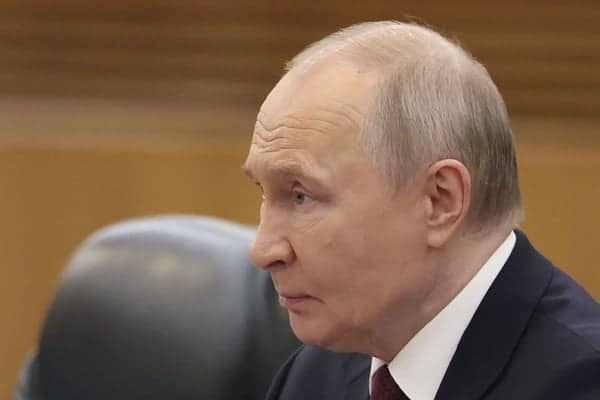
Vladimir Putin has no intention of ending Russia’s war against Ukraine despite renewed efforts by US President Donald Trump to broker a peace settlement, according to people close to the Kremlin, raising fresh doubts over the prospects for negotiations and increasing the risk of a renewed military escalation.
Sources familiar with the Kremlin’s thinking told Reuters that the Russian president remains committed to achieving his core strategic objectives in Ukraine, with control of the entire Donbas region continuing to dominate Moscow’s military and political calculations.
Two of the sources said the likelihood of Russia escalating the conflict over the coming months was high, despite repeated international calls for a ceasefire.
The assessment casts further uncertainty over diplomatic efforts to halt Europe’s largest land war since the Second World War, even as Mr Trump has expressed optimism that a negotiated settlement is within reach.
Read more related news:
Zelensky tells Trump he won’t got to Moscow as there are many Ukrainian drones in the air’
Putin forced into diesel export ban as Ukraine’s drone blitz triggers fuel crisis across Russia
Zelensky warns NATO is running out of time as ‘protection is needed today, not years from now’
Putin’s war machine left smoking as Ukrainian drones hunt Russian fuel ships
According to Reuters, one source who regularly meets Mr Putin said the Kremlin leader had recently criticised advisers who suggested freezing the conflict along the existing front line, indicating there is little appetite inside Moscow for compromise while Russian forces believe they retain the strategic initiative.
The sources also suggested that Ukraine’s increasingly sophisticated long-range drone campaign has failed to alter the Kremlin’s calculations. Instead, repeated strikes against Russian oil refineries, fuel terminals, ports and military infrastructure have reinforced the leadership’s determination to continue military operations rather than seek concessions.
Kremlin spokesman Dmitry Peskov reiterated Moscow’s position, telling Reuters that Russia remained prepared for a peaceful settlement but retained sufficient military capability to continue what the Kremlin continues to describe as its “special military operation.
From Kyiv’s perspective, there is little evidence that Russia is preparing for diplomacy. A senior Ukrainian official told Reuters that intelligence gathered in recent months indicates Moscow is actively preparing for further military operations rather than negotiations, with planning extending beyond current battlefield objectives.
The deteriorating military balance has been compounded by mounting pressure on Ukraine’s air defences. Officials say shortages of Patriot interceptor missiles have forced commanders to move from automatic engagement systems to manual target selection in an effort to conserve limited stocks while maintaining protection against Russia’s expanding missile and drone campaign.
Against that backdrop, Mr Trump announced that Washington would grant Ukraine a licence to manufacture Patriot interceptor missiles domestically, a move designed to strengthen Kyiv’s long-term air defence capabilities and reduce dependence on US production. The proposal, if implemented, could allow manufacturing to begin within months, although significant industrial and technical hurdles remain.
The developments underline the widening gap between political efforts to secure a negotiated settlement and military realities on the ground. While Western governments continue to explore diplomatic options, signals emerging from Moscow suggest the Kremlin believes time remains on its side and that sustained military pressure offers a more favourable route to achieving its objectives than negotiations.
With neither side showing meaningful willingness to compromise, hopes for an imminent breakthrough appear increasingly remote, leaving investors, policymakers and European governments preparing for a conflict that could extend well beyond 2026.


Leave a Comment