
UK parents can understand the appeal of technical kids’ activewear through the daily problems it solves: damp PE kits, quick after-school changes, active weekends, and clothes that need to wash and wear well. The rise of technical kidswear is interesting because it treats children’s clothing as something that has to function, not just look tidy.
Technical kidswear starts with the week
A child’s week includes sitting, walking, running, outdoor play, indoor heat, rain, packed bags, and quick changes. Technical kidswear becomes useful when it solves those ordinary problems. The fabric should match the activity: airflow for heat, quick drying for sweat or water, stretch for movement, and coverage for sun or modesty.
This approach is different from buying a full sports uniform for every situation. It asks parents to choose pieces that fit the child’s real routine.
Fabric labels need plain meaning
Parents should not have to guess what a fabric does. Brizi can be understood as lightweight, breathable, quick-drying, cool-feeling, and UPF 50+. Air Supply is about ventilation and lightness. illucra belongs with cool comfort and moisture movement. Blockmax Lite can be tied to sun protection, opacity, and a light feel.
Clear fabric language helps UK parents compare products across categories. It also keeps technical claims from becoming vague marketing noise.
Practice clothes are not the same as competition gear
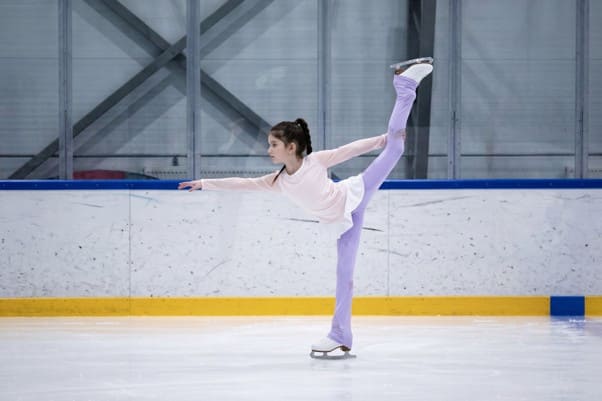
Children who skate, dance, train, or attend after-school sports often need practice clothing before they need anything more specialized. Flexible leggings, breathable tops, and easy layers can handle warmups and lessons. The focus should be movement and comfort during practice, not overstated claims about elite performance.
For families browsing premium figure skating apparel, the practical questions remain simple: does the outfit allow range of motion, does it feel comfortable while waiting, and does it wash well after repeated sessions?
School-to-activity transitions matter
The most useful activewear often serves the gap between school and activity. A child may change quickly in a bathroom, ride in a car, or go straight to practice. Pieces that pack small, dry quickly, and do not wrinkle easily help because the transition is usually rushed.
This is where technical kidswear can reduce friction for parents. A better top or legging does not change the activity, but it can make the logistics easier.
Shoes should be judged by daily movement
Footwear deserves the same practical lens. A child’s shoe should be secure, cushioned enough for walking, breathable enough for active days, and easy to adjust. Those details matter for school runs, playgrounds, and practice days.
The safest shoe language stays grounded. Better fit and traction can make daily movement smoother, but the shoe should not be credited with improving development or ability.
The lesson for UK parents is clarity

Image source: moodytiger.com
The value of technical kidswear is not that every child needs a high-performance wardrobe. It is that parents can buy more carefully when product language is clear. If a piece is for heat, say heat. If it is for sun, say sun. If it is for dry time, say dry time.
That clarity helps families build smaller, more useful wardrobes for school, sports, travel, and weekend movement.
For UK parents, the broader lesson is practical rather than geographic. Technical kidswear is useful when it helps families understand what clothing does during school, practice, and travel.
Seen this way, the rise of technical kidswear is less about hype and more about reducing guesswork. Families are not looking for every garment to be high-tech. They are looking for fewer surprises: a waistband that stays comfortable, a fabric that does not hold sweat, a top that covers well in sunlight, and a layer that does not overheat indoors. That is the version of the trend that travels well across markets.
Shoes belong in the same conversation when parents are thinking about the whole activity day. A secure closure, cushioning, traction, and breathability can make school runs and practice changes easier to manage. The language should stay tied to daily movement rather than promises about performance outcomes. Parents need to know whether the child can walk, wait, and change comfortably.
UK families often deal with small closets, frequent laundry, and activities that sit close together on the calendar. A practical activewear piece should be easy to wash, easy to pack, and comfortable enough that the child does not refuse it halfway through the week. Those are modest standards, but they are the ones that decide whether a garment is used again.
Clear language also keeps parents from buying the wrong role. A light, breathable active layer does not replace a weatherproof coat. A sun-protective fabric does not become a cold-weather shell. A flexible practice piece does not need to pretend to be formal competition wear. Families can build a better drawer when each item has a simple job and the product page respects that job.
Fabric labels should help rather than confuse. If a garment is built for airflow, the wording should say so plainly. If it is designed for sun coverage, parents should see that function without reading through inflated claims. If a fabric dries quickly, that detail belongs next to the situations where it helps: after PE, after travel, after outdoor play, or after a sweaty practice session.
The same logic applies to weekend clubs and holiday activities. Parents want pieces that can move from a car ride to a sports hall, from an outdoor playground to an indoor lesson, or from a warm classroom to a cooler walk home. Fit matters because children bend, sit, stretch, and wait. Dry time matters because damp kit often stays in a bag for hours. Coverage matters when sun, modesty, or repeated movement becomes part of the day.
For UK parents, the useful comparison is the school-to-activity changeover. A child may leave class, pull a PE kit from a backpack, travel to a lesson, and return home with damp clothing rolled into a bag. Technical kidswear earns attention when it helps that ordinary routine feel less chaotic. A breathable top, a flexible bottom, or a quick-drying layer is useful because it answers a familiar family schedule: school, travel, practice, laundry, and the ride home.
What UK parents can borrow from the trend
UK families already understand the need for better active kidswear. Rainy school runs, damp PE kits, after-school clubs, and small wardrobes make practical clothing valuable. Technical kidswear is useful when it solves those ordinary problems through fabric, fit, and easy care rather than through big claims.
moodytiger can be discussed as an example of that wider category because its product language centers on breathability, quick drying, stretch, sun coverage, and movement. Those ideas are relevant to UK parents because they connect product language with familiar daily needs: school runs, PE kits, practice changes, and weekend activities.
For UK readers, the most useful takeaway is practical: technical children’s clothing is easier to judge when brands explain what each garment is meant to do. Families can then borrow the useful part of the trend and leave the rest alone.
The same clarity helps with shoes and accessories. A child walking to school, waiting at practice, and moving through a lesson needs comfort that lasts longer than a fitting room test. Closure, cushioning, and grip are useful details because parents can picture where they will matter during the day.
That is why technical kids activewear should be written in plain language. Parents need to know whether a piece is breathable, sun protective, quick drying, or built for range of motion. A clear label helps them choose the right layer before a rushed after-school change.
A simple checklist can help parents read product pages with less guesswork. For PE or clubs, they can look for stretch at the knee and shoulder. For outdoor activities, sun coverage and opacity may matter more. For travel between school and practice, a quick-drying fabric can make the return trip more comfortable. The point is not to make every garment sound advanced; it is to connect each description to a real part of the week.
Parents can also make better choices by separating the activity from the journey around it. A lesson may last forty-five minutes, but the garment is also worn while waiting, packing up, sitting in traffic, and getting home. Comfort during those surrounding moments is often what makes the piece feel worth buying.
Practice wear should stay practical
Families browsing premium figure skating apparel often still need everyday practice pieces first. A child may need a breathable top, flexible leggings, a light jacket, or a simple dress that moves well during warmups and lessons. The practical test is comfort during repeated practice, not a promise of professional competition use.
The same logic applies beyond skating. School-to-activity clothing should pack easily, wash well, and avoid the heavy feeling that makes children reluctant to change. Technical kidswear is strongest when those details are clear.


Leave a Comment