
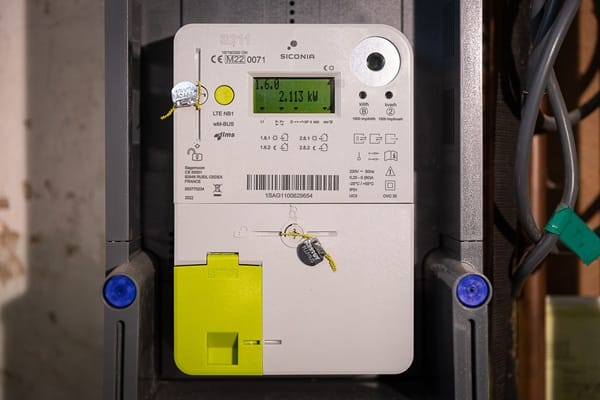
For years, the idea of a smart home has largely focused on what happens inside the front door. Smart lighting, connected thermostats, security systems, and intelligent appliances have made it easier for homeowners to control and automate everyday routines.
But as these technologies become more common, attention is increasingly moving beyond the walls of the house.
Outdoor spaces are becoming part of the same technological shift. Gardens, lawns, patios, driveways, pools, and other areas around a property can now benefit from connected devices, sensors, automation, and increasingly intelligent systems. Instead of being treated as separate spaces that require entirely manual maintenance, they are becoming part of a more connected residential environment.
This change is about more than simply adding technology to the garden. It reflects a broader shift in how homeowners think about convenience, maintenance, and the use of their property. From smart irrigation and adaptive outdoor lighting to automated security and robotic maintenance, technology can help outdoor spaces become easier to manage while remaining comfortable and functional.
As smart technology continues to move outdoors, the boundary between the smart home and the smart property is becoming less distinct. The next stage of connected living may be about creating an environment where indoor and outdoor spaces work together more seamlessly.
From smart homes to connected properties
The concept of a smart home is gradually expanding beyond individual devices inside the house. Early smart-home technology focused largely on giving homeowners greater control over lighting, heating, entertainment, and security. Today, the emphasis is increasingly shifting from controlling individual devices to automating broader aspects of everyday life.
This change also affects how homeowners view their property as a whole. A garden, driveway, patio, or other outdoor area is not simply an extension of the house; it is part of the environment that requires lighting, security, watering, cleaning, and regular maintenance. As technology becomes more capable of handling these tasks, the idea of a connected property is beginning to replace the narrower concept of a smart home.
A connected property can bring different technologies together across indoor and outdoor spaces. Smart security may monitor entrances and driveways, while connected lighting can operate around the home and garden. Irrigation systems can manage watering schedules, and automated maintenance equipment can handle repetitive outdoor tasks.
The goal is not necessarily to connect every part of a property. Instead, technology can be used where it solves practical problems and reduces unnecessary manual work. This broader approach creates a more consistent relationship between the home and the spaces surrounding it, making outdoor areas an increasingly important part of the connected living experience.
Why outdoor spaces are different
Bringing technology outdoors is not as straightforward as applying the same systems used inside the home. Indoor environments are relatively controlled: temperatures are more predictable, surfaces are generally stable, and devices usually operate within clearly defined spaces. Outdoor environments are much more dynamic.
Weather conditions can change quickly, while rain, sunlight, temperature, uneven terrain, and seasonal plant growth can all affect how outdoor technology performs. Gardens and yards can also contain trees, flower beds, pathways, slopes, fences, and other obstacles that influence how people and devices move through the space.
These conditions create different requirements for outdoor technology. A system designed for a garden may need to respond to changing weather, operate across a larger area, or work around physical obstacles. Connectivity can also be more challenging when devices are distributed across an entire property rather than concentrated inside a building.
As a result, outdoor automation increasingly relies on a combination of sensors, positioning technologies, connectivity, and intelligent software. These technologies allow devices to gather information about their surroundings and respond to changing conditions rather than simply following a fixed command.
This makes outdoor technology particularly interesting from a design perspective. A smart outdoor system has to work with the landscape rather than simply occupy space within it. As these technologies improve, more outdoor activities can become automated without compromising how the space looks or functions.
A new generation of smart outdoor systems
As outdoor technology becomes more sophisticated, homeowners have more options for managing different aspects of their properties. These systems are not limited to one type of device. Instead, they cover several areas of outdoor living, from resource management and security to comfort and entertainment.
Smart irrigation is one example. Connected controllers and sensors can help adjust watering schedules based on factors such as weather conditions, soil moisture, or the needs of different planting areas. This can make watering more responsive than a fixed schedule while reducing the need for homeowners to manage it manually.
Outdoor lighting is also becoming more intelligent. Lights can be programmed to operate at particular times, respond to movement, or be controlled remotely. Beyond improving visibility around pathways and entrances, smart lighting can help create different atmospheres for patios, gardens, and outdoor entertaining areas.
Connected security can extend monitoring beyond the walls of the house. Outdoor cameras, motion sensors, and video doorbells can provide notifications when activity is detected and allow homeowners to check parts of their property remotely. When planned carefully, these systems can improve visibility without becoming visually intrusive.
Other technologies are emerging across outdoor living as well. Connected pool equipment can help automate routine maintenance, while weather and environmental sensors can provide information that supports better decisions about watering and plant care. Outdoor entertainment systems can also connect lighting, audio, and other features to make patios and gardens more adaptable.
Individually, these technologies solve different problems. Together, however, they point toward a broader change: outdoor spaces are becoming connected environments rather than collections of manually managed features.
The rise of automation in outdoor living
Connectivity is only one part of the transformation taking place outdoors. The more significant shift may be the move from simply controlling outdoor devices to allowing them to operate with less human intervention.
Traditional outdoor maintenance often depends on homeowners remembering what needs to be done and when. Lights need to be switched on, plants need to be watered, security systems need to be monitored, and outdoor equipment needs to be operated regularly. Smart technology can turn many of these repetitive activities into scheduled or responsive processes.
For example, outdoor lighting can activate automatically around sunset, while irrigation systems can adjust watering according to programmed schedules or environmental conditions. Security systems can send alerts when unexpected activity is detected, allowing homeowners to respond without constantly monitoring their property.
Automation can also make outdoor spaces easier to use. Instead of manually adjusting different systems every time a patio or garden is used, homeowners can create routines that coordinate lighting, entertainment, or other connected features. The technology works in the background while people focus on using the space itself.
This represents an important change in the role of smart technology. The value is no longer simply in giving homeowners more ways to control their property, but in reducing how often they need to control it themselves. As outdoor automation becomes more capable, routine maintenance and management can gradually require less time and attention.
Where robotics fits into the smart outdoor environment
Automation becomes even more interesting when it moves beyond digital controls and into physical tasks. While smart lighting or irrigation systems can manage devices automatically, robotics can perform tasks that would otherwise require direct human effort.
Outdoor environments contain many repetitive physical activities, including cleaning, mowing, monitoring, and maintaining different areas of a property. Robotic systems can take on some of these tasks while operating according to schedules, environmental information, or predefined boundaries.
Robotic technology is already being applied to several areas of outdoor maintenance. Automated pool cleaners can handle routine cleaning, while robotic lawn mowers can maintain grass without requiring homeowners to operate a traditional mower. As sensing, navigation, and artificial intelligence become more capable, other forms of outdoor robotics may also become more practical.
The technology behind these systems is becoming increasingly sophisticated. Positioning systems, cameras, sensors, mapping, and intelligent software can help robots understand where they are and respond to their surroundings. This is particularly important outdoors, where environments are less predictable than the controlled spaces inside a home.
Brands such as ANTHBOT illustrate how these technologies are being applied to residential outdoor maintenance. Depending on the model, ANTHBOT robotic lawn mowers can combine technologies such as RTK positioning, LiDAR, or vision-based sensing to support navigation across different lawn environments.
Robotics therefore represents more than another category of smart-home products. It is part of a broader shift toward autonomous outdoor living, where technology can take responsibility for some of the physical tasks involved in maintaining a property.
From automated maintenance to autonomous outdoor living
Lawn care provides one of the clearest examples of how this shift can affect everyday life. For many homeowners, mowing is a recurring task that needs to be performed regularly during the growing season. Unlike occasional garden projects, it requires consistent attention to keep the lawn looking its best.
Robot lawn mowers approach this task differently by handling routine mowing according to a programmed schedule. Depending on the model and setup, they can navigate defined areas, detect obstacles, return to a charging station when necessary, and resume mowing without requiring the homeowner to operate the machine each time.
Navigation is particularly important for outdoor robotics. Technologies such as RTK positioning, LiDAR, cameras, and other sensors can help robotic mowers understand their surroundings and operate more reliably across different lawn layouts. Mapping and multi-zone management can also be useful for properties where lawns are separated by paths, planting areas, or other landscape features.
The broader significance goes beyond mowing. As robotic maintenance becomes more capable, homeowners can begin to think of repetitive outdoor tasks as part of an automated property-management system. Lawn care is simply one area where robotics can demonstrate how technology can gradually shift outdoor maintenance from manual work toward greater autonomy.
Technology is also changing how outdoor spaces are designed
As more technology moves into gardens and other outdoor areas, it can influence not only how these spaces are maintained but also how they are designed in the first place. A landscape that is intended to work with automated systems may need to consider technology as part of the planning process rather than adding it after everything else has been completed.
For example, irrigation zones can be planned around different plant types and water requirements, while lighting can be positioned to provide useful coverage without interfering with the visual character of the landscape. Security cameras and motion sensors also need appropriate locations and clear fields of view.
Automation can influence lawn and pathway layouts as well. Clearly defined lawn boundaries, accessible transitions, and well-planned planting areas can make it easier for robotic equipment to navigate the property. This does not mean designing a garden around machines, but rather considering how technology and landscape features can work alongside one another.
The same principle applies to larger outdoor spaces. Patios, pools, gardens, lawns, and entertainment areas can be planned as connected zones, with different technologies supporting how each area is used. Lighting might respond to activity, irrigation can manage planting areas, and automated maintenance equipment can operate within designated zones.
This suggests a broader change in residential landscape design. Technology is no longer simply something added to an outdoor space after it has been designed. It can increasingly become one of the factors considered during the design process itself. When technology is integrated thoughtfully, it can support the functionality of a landscape without taking away from its appearance or character.
Choosing technology that adds real value
The growing number of smart outdoor technologies does not mean that every property needs to become fully automated. More technology does not automatically create a better outdoor space. The most useful systems are those that address genuine needs and fit naturally into the way a property is used.
For homeowners, the first question should be what problem a technology is actually solving. If watering the garden is time-consuming, automated irrigation may be worthwhile. If outdoor areas are frequently used after dark, smart lighting could provide greater convenience. For properties with large lawns, automated mowing may remove a repetitive task that would otherwise require regular attention.
Compatibility and simplicity also matter. A connected device may offer dozens of features, but those features have limited value if the system is difficult to set up, incompatible with the existing property, or requires constant adjustment. Technology should reduce complexity rather than create another system that homeowners need to manage.
There are also practical considerations around cost, connectivity, privacy, and long-term maintenance. Outdoor devices face weather and environmental conditions that indoor technology does not, so reliability is particularly important.
Ultimately, the goal of a smart outdoor space should not be to fill a property with connected gadgets. It should be to create an environment where technology quietly supports everyday living. The best systems may be the ones homeowners barely notice because they simply perform useful tasks in the background.
The future of the connected outdoor home
As outdoor technology continues to develop, the distinction between a smart home and a smart outdoor space is likely to become less important. Instead of treating indoor and outdoor systems as separate categories, homeowners may increasingly manage the entire property as one connected environment.
Future systems could become more responsive to changing conditions. Irrigation may adjust automatically to local weather and soil conditions, outdoor lighting could respond to occupancy or time of day, and security systems may become better at distinguishing routine activity from potential risks. At the same time, robotic systems could take on a wider range of repetitive maintenance tasks.
Connectivity between different systems could also become more important. Rather than having separate technologies operating independently, homeowners may increasingly expect outdoor systems to work together. Information from weather sensors, for example, could influence irrigation, lighting, or other automated functions, while property-management systems could coordinate different maintenance tasks.
This does not necessarily mean that future outdoor spaces will become filled with visible technology. In fact, the opposite may happen. As systems become more capable, technology may become less noticeable while performing more tasks in the background.
The future of outdoor home technology is therefore unlikely to be about simply adding more devices. It is more likely to focus on creating responsive, adaptable, and easier-to-maintain properties. As automation, robotics, and connected systems continue to develop, the garden and other outdoor spaces may become just as much a part of the smart-home experience as the rooms inside the house.





Leave a Comment