
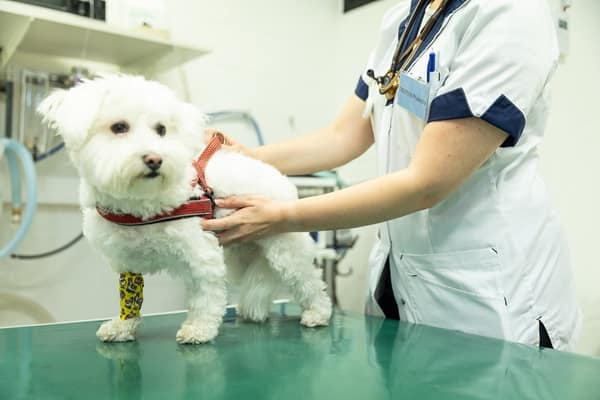
The veterinary field is undergoing a transformative change with the advent of advanced software solutions designed specifically for animal care. These innovative tools are not just enhancing operational efficiency but are also significantly improving the quality of care that pets and other animals receive. In this article, we will explore how these advanced veterinary software solutions are reshaping the landscape of animal care.
Streamlining clinic operations
One of the most significant advantages offered by advanced veterinary software is the streamlining of clinic operations. Traditional practices often relied on paper records and manual processes, which could lead to errors and inefficiencies. Now, advanced software allows for digital record-keeping that enhances accuracy and accessibility.
With features like appointment scheduling, automated reminders, and inventory management, clinics can operate more smoothly. Staff can easily access a pet’s medical history, vaccination records, and treatment plans, reducing the time spent on administrative tasks. This streamlined operation frees up veterinarians and support staff to focus more on providing quality care and engaging with clients, ultimately leading to a better experience for both animals and their owners.
Enhanced client communication
Effective communication between veterinary clinics and pet owners is crucial for optimal care. Advanced software solutions are equipped with tools that enhance this communication. For instance, many systems include client portals that allow pet owners to access their pet’s medical records, schedule appointments, and receive reminders about vaccinations or check-ups.
Additionally, these platforms often support automated messaging, enabling clinics to send out alerts or educational information directly to pet owners. By fostering better communication, veterinary software helps ensure that pet owners are well-informed about their pets’ health and any necessary treatments. This proactive approach can lead to improved compliance with veterinary recommendations, which is essential for successful outcomes.
Data-driven decision making
The use of advanced veterinary software allows clinics to harness the power of data analytics. With comprehensive data collection and reporting capabilities, veterinarians can track treatment outcomes, monitor disease trends, and assess overall clinic performance. This data-driven approach enables better decision-making, ultimately leading to improved patient care.
For example, by analyzing treatment outcomes for specific conditions, veterinarians can identify the most effective interventions and refine their practices accordingly. Additionally, clinics can monitor their inventory usage, helping them maintain optimal stock levels and reduce waste. By leveraging data, veterinary professionals can make informed decisions that enhance patient care and clinic efficiency.
Improved patient management
Advanced veterinary software solutions provide tools that enhance patient management, ensuring that animals receive timely and appropriate care. Features such as electronic medical records (EMRs) allow veterinarians to document every aspect of a pet’s health history, from initial examinations to follow-up visits.
These EMRs can be easily updated and shared among staff, ensuring continuity of care. Furthermore, software systems can flag upcoming vaccinations or routine procedures, helping clinics stay on top of preventive care. By improving patient management, veterinary software not only facilitates better care but also promotes holistic health approaches that can lead to longer, healthier lives for animals.
Telemedicine capabilities
The rise of telemedicine, accelerated by the COVID-19 pandemic, has also found a place in veterinary care. Advanced software solutions often include telehealth features that allow veterinarians to conduct remote consultations with pet owners. This capability is particularly beneficial for follow-up appointments, minor health concerns, or behavioral consultations.
Pet owners appreciate the convenience of virtual visits, reducing travel time and stress for both themselves and their animals. Moreover, telemedicine can broaden access to veterinary care, especially for those in rural areas or for pets that may be anxious during transportation. By integrating telemedicine into their practice, veterinary clinics can enhance their service offerings and improve overall patient care.
Training and continuing education
Effective use of advanced veterinary software requires proper training and ongoing education for veterinary staff. Many software providers offer extensive training programs to ensure that all users are proficient in using the platform, maximizing its benefits for animal care.
Moreover, as these software systems continue to evolve, continuing education becomes essential. Staying updated on new features and advancements in veterinary technology can empower staff to use the tools more effectively. Clinics that invest in training not only improve their operational efficiency but also enhance the level of care provided to their animal patients.
Tailored treatment plans
Advanced veterinary software can assist veterinarians in developing personalized treatment plans based on a pet’s unique needs. By integrating diagnostic tools and treatment history, these systems can help practitioners create tailored care strategies.
For instance, software can suggest specific medication dosages based on a pet’s weight and health status, reducing the risk of human error. Additionally, the ability to track progress over time allows veterinarians to adjust treatment plans as necessary, ensuring that each pet receives the best possible care suited to their individual circumstances.
Advanced veterinary software
The integration of advanced veterinary software solutions marks a significant step forward in enhancing animal care. From streamlining operations and improving client communication to enabling data-driven decision-making and personalized treatment options, these technologies are redefining the veterinary landscape. As the industry continues to evolve, the role of advanced software will become even more critical in ensuring that animals receive the highest standard of care possible.


Leave a Comment