
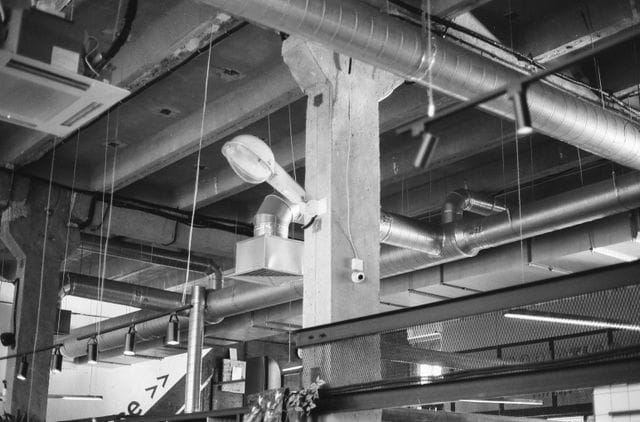
Rigid ducting uses fixed-shape sections for long, straight runs, while flexible ducting bends to reach awkward spaces. Most ventilation systems use a mix of both. Suppliers such as Alpha Air, a UK manufacturer and stockist of ventilation and ducting products, offer each type, so the choice often comes down to the job in front of you. This guide explains how the two compare.
What rigid ducting does well
Rigid ducting keeps a constant shape from one end to the other. Spiral-wound metal ducting is a common example, and it is usually joined with matching fittings such as bends, reducers and branches. Because the inside surface is smooth, air meets little resistance as it travels along it.
This makes rigid ducting a sensible choice for main runs in warehouses, workshops and offices. It also holds up well when it is fixed in place for many years.
Where flexible ducting fits in
Flexible ducting can curve around obstacles, which saves time when space is tight. It comes in several materials, including aluminium foil, PVC, silicone and semi-rigid types. Each suits different conditions, so check what the material can handle before you buy. Short flexible lengths often connect a fan or an outlet to a rigid main run. A long, twisting flexible run can slow airflow, so most installers keep these sections brief.
Thinking about the environment
The air moving through your ducting matters as much as the layout. Warm, damp or dusty air can wear down some materials faster than others. Silicone and PVC are often chosen where bending and moisture resistance are needed, while metal suits harder wear. If the air carries fumes, grease or particles, ask the manufacturer whether a product is rated for that use. A guess here can lead to early replacement.
Rectangular and plastic options
Round ducting is not always the right shape. Where ceiling voids are shallow, rectangular ducting can fit better, and some suppliers make it to specific specifications. Plastic ducting is another option, and it is light and easy to handle. Each shape and material has different costs, weights, and installation methods. Your budget and the space available will often guide the final choice.
Quick-fit systems
Some duct systems use clamp-style connections instead of traditional joints. There are some ready made, quick fit systems that allow you to join and adjust sections without much specialist work. That can help where a layout may change over time, such as in a growing workshop. Traditional fixed joints still make sense for permanent installations. Think about how often you expect to move or extend the system.
Costs beyond the price tag
A cheaper product can cost more over the years if it fails early or restricts airflow. Fittings add up too, because every bend and branch changes how air moves. Fewer sharp turns usually mean less strain on the fan and lower running costs. Ask about delivery times and whether parts can be made to size. Standard stock is quicker, while bespoke pieces take longer but may fit more neatly.
Getting advice before you order
A ducting plan is easier to get right when you share clear details at the start. Measurements, the type of air being moved, the fan used and the route the ducting must take all help a supplier give useful guidance. For larger projects, a qualified ventilation engineer can check that the design meets your needs and any applicable regulations.
Making a confident choice
You do not have to pick one type and stick with it. Many sound systems pair rigid main runs with short flexible links. Write down your space, air conditions and budget, and the right mix usually becomes clear.



Leave a Comment