
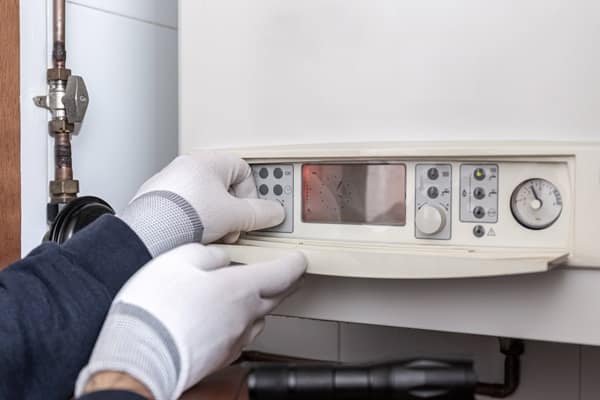
If you’re looking for a smart way to mount a wall-hung boiler securely and with peace of mind, the product specialist team at fischer UK have you covered. In this article, we’ll introduce the key features of the boiler fixing solution from the high-quality brand, explore why selecting the right fixing kit matters in practice, and share tips that systems installers and plumbing professionals working in the UK will find helpful.
What makes the fixing kit stand out
The fischer fixing set (BO) is marketed as a “complete fixing set for boiler” use. It includes four universal plugs UX 14 × 75, four zinc-plated M10 × 120 stud screws, and four flanged nuts (BU M10).
What this means in practice is:
The universal plug UX is designed to work in solid, hollow, and board materials, giving flexibility whether you’re mounting into concrete, perforated brick, or lightweight blocks.
The flanged nut and collar sleeves are made of high-strength nylon, which is both ageing and chemical-resistant, ensuring the fixing remains secure and doesn’t damage the boiler or surrounding building fabric over time.
The installation method is clearly described: the UX plug expands upon inserting the screw, and maximum load bearing is achieved when the spanner flat lies on the plug rim. Tiles and plaster alone are not considered load-bearing bases, a crucial point for installers.
In short, if you invest time and budget into the right fixing kit, you reduce the risk of slip, movement, or long-term degradation.
Why choosing the right fixing matters
In many boiler installation scenarios, mounting the appliance securely is half the job. Poor fixings can lead to wobble, transmission of vibration, or even failure under load. By using a dedicated set like this, you ensure:
- Consistent performance across a range of building materials (concrete, bricks, aerated blocks) with validated load ratings.
- Long-term durability with materials that resist ageing and chemical exposure (for example, if the boiler room has high humidity or mild cleaning chemicals).
- Compliance with installer best practice by following the manufacturer’s installation method rather than improvising.
For building contractors, maintenance engineers, and plumbing specialists working in the UK, these factors can translate into fewer callbacks, more professional results, and better client satisfaction.
Key considerations for UK installers
Here are some practical tips when using a fixing kit of this type in UK installations:
- Check building material: The manufacturer states the plug works in many substrates, including natural stone, perforated brick, solid, and hollow blocks. However, always verify whether the substrate is truly load-bearing and whether there are any damp or compromised zones.
- Use correct drill size and embedment: The UX plug requires the correct bore diameter (e.g. 14 mm) and proper embedment so that the expansion action functions as intended.
- Avoid relying on tiles/plaster only: As the instructions emphasise, tiles and plaster are not classed as load-bearing support, so ensure you reach the structural substrate beneath.
- Match hardware to the appliance weight and loads: While the set is designed for boilers, gas heaters, cisterns, and consoles, always cross-check total weight, dynamic loads (vibration), and local UK regulations for mechanical fixings.
- Environment matters: Because the nuts and sleeves are chemical and ageing-resistant, this kit is a good choice in humid plant rooms, laundry rooms, or where mild cleaning chemicals are used.
Final thoughts
For any commercial or domestic project in the UK where a wall-hung boiler needs secure and professional mounting, using a purpose-designed kit is a wise investment. The fischer BO set offers reliable fixings, material flexibility, and a clear installation methodology.
If you want full product details, technical documentation, or to evaluate it for your next project, visit the manufacturer’s site via boiler fixing.
By planning the right fixings up front, you’ll set your installation up for success, safer, cleaner, and more durable.





Leave a Comment