
Two of Scotland’s largest offshore wind projects have been approved in a major expansion of renewable energy capacity, but developers still face environmental hurdles before billions in investment can move ahead.
Scotland has approved plans for two vast offshore wind farms in the Moray Firth that could generate enough electricity to power around two million homes, marking a significant step in the country’s drive to expand renewable energy production.
The Caledonia North and South offshore wind farms have received government consent and marine licences, clearing a major regulatory hurdle for one of Scotland’s most ambitious clean energy developments.
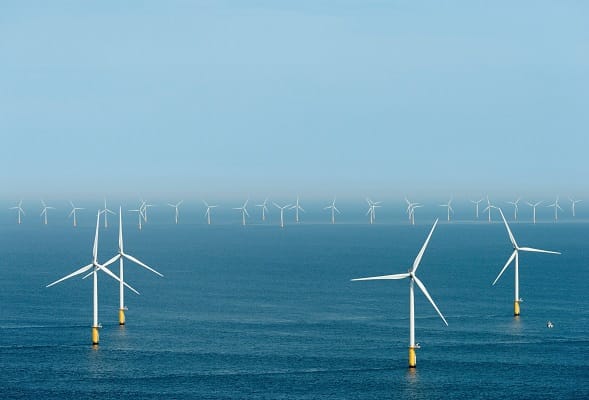
The projects will see up to 140 turbines installed across a combined area of 429 square kilometres, creating a new offshore power hub capable of generating approximately two gigawatts of electricity.
For Scotland’s renewable energy sector, the approval represents a major vote of confidence in offshore wind as a central pillar of future energy security and industrial investment.
But the projects are not yet ready for construction.
Developers must still secure ministerial approval for environmental mitigation measures, including a seabird compensation plan designed to address concerns over the impact of large-scale offshore infrastructure on marine ecosystems.
The Caledonia developments are among the first wave of ScotWind projects to secure offshore consent, placing them at the centre of Scotland’s wider attempt to transform its coastline into a major renewable energy hub.
First Minister John Swinney said the decision represented an important milestone in tackling climate change and moving towards net zero.
“This consent decision is a significant step in Scotland’s progress towards tackling climate change and reaching net zero,” he said.
He added that the projects would strengthen Scotland’s renewables sector and support future investment across the industry.
The Scottish Government has positioned offshore wind as a key driver of economic growth, with the potential to create jobs, attract supply-chain investment and reduce reliance on imported fossil fuels.
However, the approval also highlights the growing complexity of expanding renewable energy infrastructure.
Offshore wind developers face increasing scrutiny over environmental impacts, particularly around seabird populations, fishing activity and marine habitats.
The Scottish Government said it would continue working with developers, fishing groups and conservation organisations to balance energy ambitions with protection of the marine environment.
That balancing act will become increasingly important as more offshore projects compete for space in Scottish waters.
The Caledonia wind farms arrive at a critical moment for Britain’s energy strategy.
The country is attempting to accelerate renewable generation while managing concerns over energy prices, grid capacity and the reliability of power supplies.
Supporters argue that large-scale offshore wind will reduce exposure to volatile international fossil fuel markets and create a more secure domestic energy system.
Critics, however, point to the challenges involved in integrating intermittent renewable power into the grid and the need for continued investment in storage, transmission infrastructure and backup generation.
The approval of Caledonia North and South underlines Scotland’s ambition to become a major player in the offshore wind economy.
With two gigawatts of potential capacity, the projects represent more than just another energy development.
They are a test of whether Britain can convert its renewable ambitions into large-scale infrastructure capable of delivering cheaper, more secure energy.
The next challenge will be turning government approval into turbines in the sea — and ensuring that Scotland’s green revolution delivers both environmental gains and economic returns.


Leave a Comment