
Plans to build up to 250 homes just metres from the headquarters of Britain’s elite special forces have sparked a furious security row, with the Ministry of Defence warning the development could create opportunities for espionage and sabotage.
The MoD has formally objected to the proposed housing estate opposite Stirling Lines in Credenhill, Herefordshire, the highly sensitive operational base of the SAS.
Defence officials have warned that putting hundreds of new homes so close to the garrison could expose one of Britain’s most secretive military installations to increased hostile surveillance, trespassing and other security threats.
The plans, submitted by property developer James Spreckley Ltd, have also triggered more than 100 objections from local residents.
Herefordshire Council is expected to decide on the application by October 22.
In its formal objection, the MoD stated: “As an operational Defence site, the security of the Garrison and its personnel is paramount.”
Officials warned that the proximity of a new residential estate would heighten the risk of hostile activity, including opportunities for visual intelligence gathering and a greater likelihood of trespass.
The concerns are particularly acute because Stirling Lines is home to three of Britain’s most secretive special forces units.
The 22 Special Air Service Regiment, better known as the SAS, conducts high-risk counter-terrorism and hostage-rescue operations.
The Special Reconnaissance Regiment carries out covert surveillance and intelligence missions, while 18 (UKSF) Signal Regiment provides secure communications, electronic warfare and intelligence support to special forces operations.
Together, the units form a critical part of Britain’s most sensitive military capabilities.
The MoD has warned that the proposed development could also create a more insidious threat by placing large numbers of civilians within close proximity of the garrison.
Even apparently innocuous features such as landscaping have come under scrutiny.
Defence officials said trees planted near the base would need to be carefully assessed to ensure they could not be used as climbing aids or elevated vantage points by potential spies.
The MoD has also raised concerns about the impact of the garrison’s normal operations on future residents.
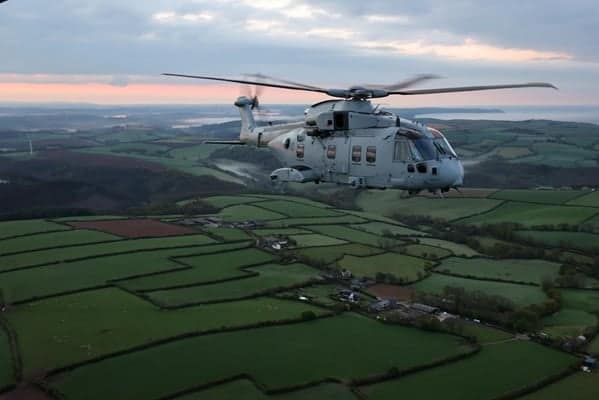
Homeowners could face round-the-clock noise from helicopters, firing ranges, generators and camp attack alarms throughout the year.
Officials fear repeated complaints from residents could eventually place pressure on the military to restrict activities at the base, potentially undermining its operational effectiveness.
Traffic is another major concern.
The garrison already generates almost 3,000 vehicle movements every day, according to the MoD, which warned that additional traffic from 250 homes could worsen congestion around the site.
Officials said this could create “a security concern as service personnel, their families and other individuals working at the Garrison can be put at risk in static traffic”.
More than 100 local residents have formally objected to the development.
Some have raised concerns over flooding and surface-water runoff, with particular anxiety surrounding a proposed drainage pond and the possibility of inundation affecting a nearby cemetery.
John Woodward, a local resident, told the Daily Mail: “Building 250 new houses opposite the camp is a massive security risk.
“Sensitive military sites like this should be safeguarded to ensure the UK’s defence capabilities and strategic readiness remain intact.”
There are also concerns that the development could place additional pressure on local schools and disproportionately affect military families stationed at the garrison.
One source warned that service personnel are frequently required to relocate to the area at short notice, sometimes with less than six months’ notice, potentially making it difficult for their children to secure school places if demand rises sharply.
They added: “If approved, this development will disproportionately and negatively affect military families connected to the nearby Garrison, which are often required to move into the area at short notice (less than six months).”
James Spreckley Ltd has argued that the development would provide homes for a broad range of households, including young people, key workers, first-time buyers and downsizers.
The dispute now rests with Herefordshire Council, which must weigh the demand for new housing against objections from the Ministry of Defence and residents living close to one of Britain’s most sensitive military sites.
An MoD spokesman said: “We were consulted on the proposed development at Credenhill and conducted an assessment of the plans.
It is now for the Local Planning Authority to make a decision on the application, taking account of all relevant considerations.
But the row has raised a stark question over how close new housing should be allowed to encroach on Britain’s most strategically sensitive military facilities.
For the MoD, the concern is not simply about noise, traffic or planning disruption.
It is that putting hundreds of homes on the doorstep of the SAS could give hostile actors a far closer window into the operations, movements and security of some of Britain’s most closely guarded military capabilities.


Leave a Comment